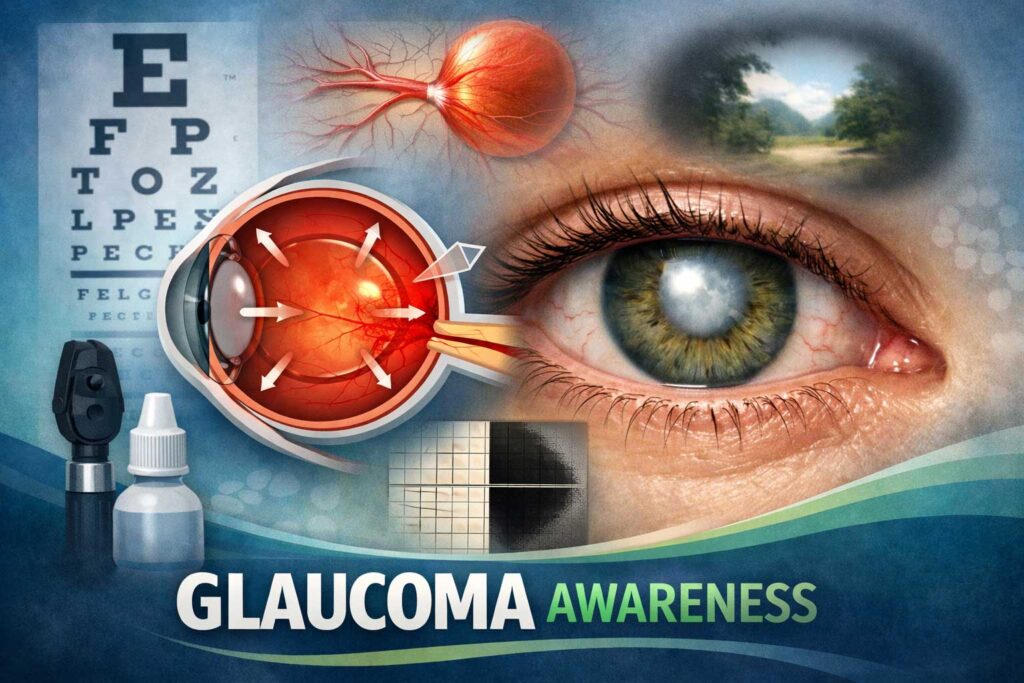
India’s Growing Glaucoma Burden and Eye Care Access
India is facing a silent eye health crisis. As life expectancy rises and chronic diseases increase, glaucoma cases in India continue to grow at a pace that outstrips current eye care capacity.
The challenge is not awareness alone.
It is access, affordability, and early intervention.
Rising Glaucoma Cases Across Urban and Rural India
India carries one of the largest glaucoma patient populations globally. Yet thousands remain undiagnosed until irreversible vision loss begins.
Key contributing factors include:
-
Rapid population aging
-
High prevalence of diabetes and hypertension
-
Limited routine eye screening
-
Late referrals to specialists
In many regions, glaucoma is detected only when vision damage becomes noticeable—often too late.
Uneven Access to Eye Care Services
Access to glaucoma treatment in India varies sharply by location.
Urban Centers
-
Advanced hospitals and trained specialists
-
Access to laser therapy and glaucoma surgery
-
Shorter diagnosis timelines
Rural and Semi-Urban Areas
-
Severe shortage of ophthalmologists
-
Long travel distances for care
-
Reliance on temporary outreach programs
This imbalance creates a system where early-stage glaucoma care is available to a few, while others present only at advanced stages.
Cost Barriers and Long-Term Treatment Challenges
Glaucoma management is lifelong.
That reality places financial pressure on many Indian families.
Common cost concerns include:
-
Daily glaucoma medications
-
Repeat diagnostic testing
-
Follow-up visits and monitoring
-
Surgical intervention when medication fails
While government programs and NGOs provide assistance, out-of-pocket expenses remain a major barrier, especially for lower-income patients.
For perspective on how glaucoma care costs vary globally,
Learn about U.K. glaucoma care expenses in 2025.
Shortage of Glaucoma Specialists
India faces a critical gap in trained glaucoma specialists.
-
Most ophthalmologists focus on cataract care
-
Subspecialty glaucoma training remains limited
-
High patient volumes restrict long consultations
As a result, glaucoma monitoring and progression tracking often receive less attention than required.
Technology and Screening Are Closing the Gap
Despite challenges, progress is underway.
Innovations improving glaucoma care access include:
-
AI-assisted screening tools
-
Portable diagnostic devices
-
Tele-ophthalmology consultations
-
Community-based eye screening camps
These tools are helping detect early-stage glaucoma before vision loss becomes permanent.
Public Awareness Still Lags Behind
Awareness campaigns exist, but glaucoma education remains inconsistent.
Many patients still believe:
-
Vision loss is a normal part of aging
-
Eye exams are unnecessary without symptoms
-
Treatment is optional once vision stabilizes
Correcting these misconceptions is essential to reducing blindness rates nationwide.
The Road Ahead for Glaucoma Care in India
India’s growing glaucoma burden demands:
-
Expanded screening programs
-
Better rural eye care infrastructure
-
Increased specialist training
-
Affordable long-term treatment models
Without systemic improvements, preventable blindness will continue to rise.
With coordinated public health efforts, India has the opportunity to slow glaucoma progression nationwide and protect vision for millions.