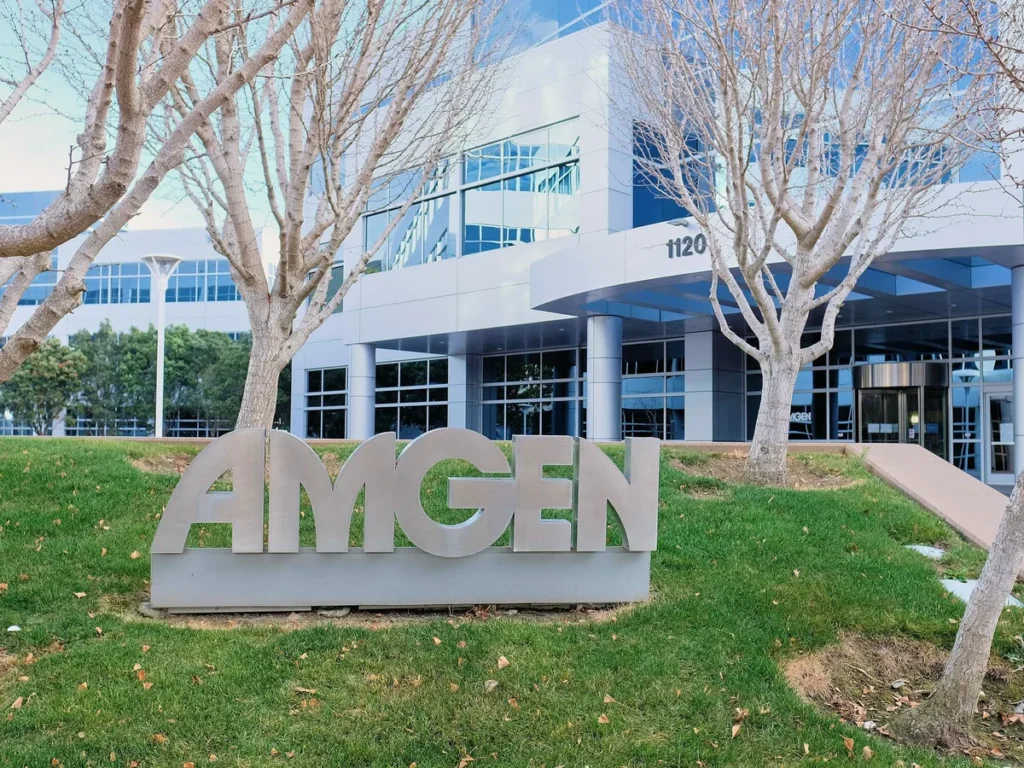
Viridian Therapeutics Takes Aim at Amgen’s Eye Disease Blockbuster
The biotechnology landscape is witnessing a high-stakes showdown in the rare disease space. Viridian Therapeutics, a clinical-stage biotech company, is positioning itself to challenge Amgen’s flagship franchise, Tepezza—the only FDA-approved treatment for Thyroid Eye Disease (TED). With a novel approach and encouraging early clinical data, Viridian is signaling that it may be ready to disrupt a market long dominated by a single player. As investors and clinicians watch closely, the central question is whether Viridian can realistically unseat an established blockbuster.
The Battle for Thyroid Eye Disease: A Market Poised for Change
Thyroid Eye Disease is a debilitating autoimmune condition marked by inflammation, swelling, and tissue expansion behind the eyes. Patients commonly experience bulging eyes (proptosis), double vision, and significant discomfort. In severe cases, vision loss can occur. The condition is frequently associated with Graves’ disease, an overactive thyroid disorder.
For years, treatment options were limited. That changed in 2020 when Horizon Therapeutics (now acquired by Amgen in a $27.8 billion deal) launched Tepezza (teprotumumab), the first FDA-approved therapy for TED. Tepezza works by inhibiting the insulin-like growth factor-1 receptor (IGF-1R), reducing inflammation and orbital tissue expansion.
Its commercial impact has been substantial. In 2022, global sales surpassed $2 billion, cementing its status as a rare disease blockbuster. Amgen’s acquisition of Horizon was largely driven by this asset, with expectations that Tepezza will continue generating multi-billion-dollar annual revenue through the decade.
However, the competitive landscape is evolving. Viridian Therapeutics is developing a next-generation anti-IGF-1R antibody designed to improve upon Tepezza in efficacy, safety, and convenience.
Viridian’s Approach: A Different Profile with Competitive Intent
Viridian’s lead candidate, VRDN-001, is a fully human monoclonal antibody targeting the same IGF-1R pathway as Tepezza. The differentiation lies in its design, delivery, and potential pharmacologic performance.
Key Differentiators of VRDN-001:
- Subcutaneous dosing: Unlike Tepezza, which requires intravenous infusions across multiple clinic visits, VRDN-001 is being developed as a subcutaneous injection. This could allow at-home administration, significantly reducing treatment burden.
- Higher potency potential: Early data suggest stronger receptor binding, which may translate into faster and more pronounced reductions in proptosis and inflammation. In a Phase 2 study, 67% of patients achieved clinically meaningful proptosis reduction by week 6, compared to historical Tepezza outcomes of ~50–60% by week 24.
- Safety profile signals: While Tepezza is effective, it is associated with muscle cramps, hearing impairment, infusion reactions, and hyperglycemia. Viridian’s early data suggest mostly mild to moderate adverse events, with lower observed rates of hearing-related issues and hyperglycemia.
Market reaction has been swift. Following positive Phase 2 results in early 2025, Viridian shares surged more than 30%, reflecting growing investor conviction in its competitive positioning.
The Competitive Landscape: Amgen’s Defensive Position
Despite Viridian’s progress, Amgen remains a dominant force. The company has both financial capacity and commercial infrastructure to defend Tepezza’s market share aggressively.
Analysts expect Amgen to pursue label expansions and lifecycle strategies, including extended treatment protocols and combination approaches. In parallel, Amgen is also exploring a subcutaneous formulation of Tepezza, which could directly challenge Viridian’s convenience advantage.
The TED market itself is relatively small, estimated at 150,000 to 300,000 patients in the U.S., many of whom remain undiagnosed. This makes the market highly competitive, where differentiation in efficacy, safety, and convenience—not just timing of entry—will determine success.
What the Experts Are Saying
Analysts remain divided on Viridian’s disruption potential.
Optimistic perspective: Some believe VRDN-001’s rapid onset and at-home administration could reshape first-line treatment preferences. If Phase 3 results replicate early data, Viridian could meaningfully erode Tepezza’s dominance, especially given patient dissatisfaction with IV-based therapy.
Cautious perspective: Others emphasize the risks. Phase 2 data, while promising, is limited in scale. Tepezza has a well-established safety database across thousands of patients, while VRDN-001 remains early in its clinical lifecycle. Additionally, Amgen’s intellectual property strategy could complicate market entry.
The consensus is that outcomes will depend heavily on Phase 3 execution, expected to begin in late 2025. If successful, commercialization could occur in the 2027–2028 timeframe.
Financial Implications for Investors
Viridian represents a classic high-risk, high-reward biotech profile.
Key considerations include:
- Cash position: With over $400 million in cash as of early 2025, Viridian is funded through multiple Phase 3 programs but may still require future financing or partnerships.
- Partnership strategy: A global licensing deal with a larger pharmaceutical partner remains a likely scenario, particularly for ex-U.S. commercialization.
- Competitive risk: Any progress by Amgen’s subcutaneous Tepezza program could limit Viridian’s differentiation advantage, while delays in Amgen’s pipeline could strengthen Viridian’s positioning.
The Future of Thyroid Eye Disease Treatment
The emergence of Viridian reflects a broader shift in TED treatment from therapeutic scarcity to competitive innovation. Patients may soon benefit from multiple viable options for the first time.
Potential implications include:
- Expanded treatment choice based on patient needs and disease severity
- Reduced treatment burden through less invasive administration methods
- Potential long-term pricing pressure from increased competition
While the outcome remains uncertain, Viridian has clearly introduced meaningful competitive pressure into a previously one-drug-dominated market. The next few years will determine whether this represents true disruption—or a temporary challenge to an entrenched blockbuster.
For now, the TED market is no longer static. It is evolving, and Amgen is no longer operating without competition.