GLP-1 Medications and Eye Health Concerns
GLP-1 drugs linked to rare eye disorder risk
GLP-1 glaucoma risk
What You Need to Know About GLP-1 Medications and Vision
Millions of people are using GLP-1 receptor agonists like Ozempic and Wegovy for weight loss and diabetes management. What many don’t realize is that regulatory agencies are now investigating potential links between these popular medications and a serious eye condition. Understanding this connection could be crucial for your long-term health.
The Australian Therapeutic Goods Administration (TGA) recently issued warnings about a rare eye disorder associated with GLP-1 medications. This development has raised important questions about the safety profile of drugs that have become household names in recent years.
Understanding GLP-1 Receptor Agonists
GLP-1 medications work by mimicking a natural hormone that helps regulate blood sugar levels and appetite. Originally developed for type 2 diabetes, these drugs have gained massive popularity as weight-loss treatments, with celebrities and influencers promoting their use.
The class includes medications like semaglutide (Ozempic, Wegovy), tirzepatide (Zepbound, Mounjaro), and liraglutide (Saxenda). These injectable medications have revolutionized diabetes and obesity treatment, but like all pharmaceuticals, they come with potential risks that deserve careful monitoring.
The Eye Disorder Connection
Recent investigations have identified a potential association between GLP-1 use and a specific rare eye condition affecting vision. This discovery came through careful monitoring of adverse events reported by patients and healthcare providers worldwide.
The condition in question involves changes to structures within the eye that can impact visual function. While rare, this side effect has prompted regulatory bodies to examine the issue more closely and inform the public about potential risks.
What Makes This Eye Condition Serious
The eye disorder linked to GLP-1 medications can develop gradually, sometimes without noticeable symptoms in early stages. This silent progression makes it particularly concerning because damage can occur before a patient realizes something is wrong.
Vision loss from this condition may be permanent if not caught early. Regular eye examinations become especially important for people taking these medications, as early detection can help preserve eyesight.
Who Should Be Most Concerned
If you’re currently taking GLP-1 medications, you don’t necessarily need to panic. However, certain factors may increase your risk profile, and awareness is the first step toward protection.
People with existing eye conditions, family history of vision problems, or those taking multiple medications should discuss their specific risk with their healthcare provider. Age and duration of GLP-1 use may also play roles in determining individual risk levels.
Symptoms to Watch For
Some signs that warrant immediate attention include blurred vision, eye pain, redness, or sudden changes in your ability to see clearly. Halos around lights, difficulty focusing, or persistent discomfort should prompt a visit to an eye care specialist.
Not everyone will experience symptoms, which is why regular eye exams are critical. Your ophthalmologist can detect changes in eye pressure and structural abnormalities before you notice any vision problems.
The Role of Regular Eye Examinations
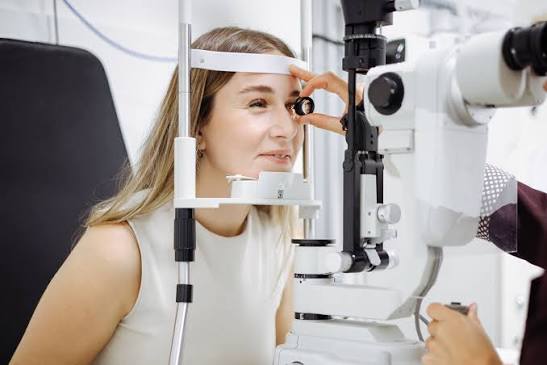
If you’re taking GLP-1 medications, scheduling comprehensive eye exams becomes more important than ever. These appointments should include measurements of intraocular pressure and detailed examination of eye structures.
Inform your eye care provider that you’re using GLP-1 medications. This allows them to monitor you more carefully and establish a baseline for comparison during future visits.
What the TGA Recommends
The Australian Therapeutic Goods Administration has taken steps to alert healthcare providers and patients about this potential risk. Their approach focuses on informed decision-making rather than blanket restrictions.
Healthcare providers are encouraged to weigh the benefits of GLP-1 treatment against potential risks for each individual patient. This personalized approach recognizes that for many people, the advantages of these medications outweigh the relatively rare complications.
Discussing Your Options With Your Doctor
If you’re considering GLP-1 medications or currently taking them, have an honest conversation with your healthcare provider about eye health. Bring up any family history of eye disease or vision problems you’ve experienced.
Your doctor can help you understand your personal risk factors and determine whether continued use makes sense for your situation. They might also recommend more frequent eye exams or specialist consultations depending on your circumstances.
What Research Shows So Far
The association between GLP-1 medications and this eye disorder is still being studied, and scientists are working to understand the mechanism behind it. Early reports suggest the condition occurs rarely, but the exact incidence remains unclear.
Ongoing research may reveal additional information about risk factors and prevention strategies. Staying informed about emerging findings helps you and your healthcare team make the best decisions for your health.
Alternative Treatments to Consider
If you’re concerned about GLP-1 medications, other options exist for managing diabetes and weight. Lifestyle modifications, different drug classes, and surgical interventions may be appropriate alternatives depending on your specific situation.
Some people benefit from combining approaches rather than relying on any single treatment. Your healthcare provider can discuss which options align best with your health goals and risk profile.
Managing Your Eye Health Proactively
Beyond medication considerations, maintaining overall eye health involves protecting your eyes from UV damage, maintaining healthy blood sugar levels, and avoiding smoking. These habits support vision health regardless of what medications you take.
Diet rich in antioxidants and omega-3 fatty acids supports eye function. Regular physical activity improves circulation to the eyes and helps maintain healthy weight without relying solely on medications.
The Importance of Reporting Side Effects
If you experience any vision changes while taking GLP-1 medications, report them to both your doctor and the relevant regulatory authority. Patient reports are essential for identifying side effects and protecting others.
Your experience contributes to the growing body of knowledge about these medications. Never dismiss potential symptoms as unrelated to your medication without professional evaluation.
Moving Forward With Informed Choices
The association between GLP-1 medications and eye disorders doesn’t mean everyone taking these drugs will develop vision problems. Most people use these medications safely without experiencing this particular side effect.
What matters most is staying informed, maintaining regular medical checkups, and communicating openly with your healthcare providers about any concerns. Your vision is too important to leave to chance, and taking an active role in your eye health is always worthwhile.