Healome Therapeutics Secures £2M Seed
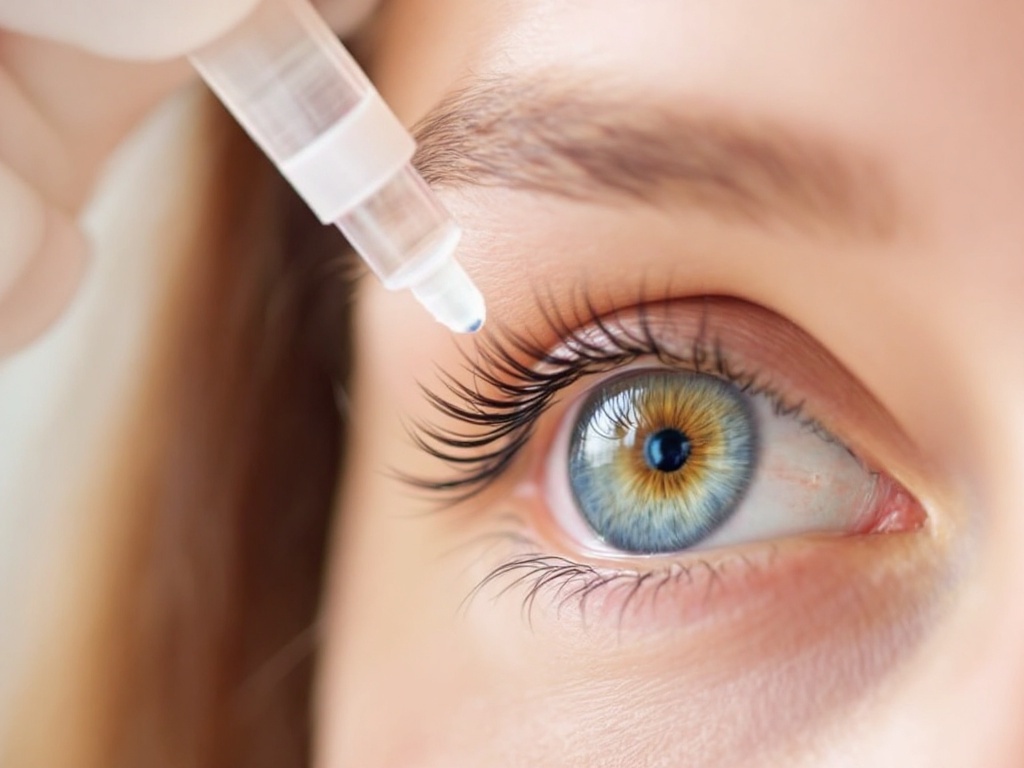
Healome Therapeutics has secured £2 million in seed financing to develop innovative eye drop treatments for ocular surface disease, advancing their therapeutic platform.
ocular surface disease treatment
A New Hope for Dry Eye Sufferers
Imagine waking up every morning with eyes that feel like sandpaper, struggling through the day with constant irritation, and finding that traditional eye drops barely provide relief. For millions of people worldwide, this isn’t imagination—it’s their daily reality with ocular surface disease.
Healome Therapeutics just took a significant step toward changing this narrative. The company has successfully raised £2 million in seed funding, marking a crucial milestone in developing next-generation eye drop treatments specifically designed to address the underlying causes of ocular surface disease rather than just masking symptoms.
Understanding Ocular Surface Disease
Ocular surface disease encompasses a range of conditions affecting the tear film, cornea, and conjunctiva. Dry eye disease, the most common form, affects approximately 5% of the global population, with rates climbing significantly in aging demographics and among digital device users.
Traditional treatments have relied heavily on artificial tear substitutes that provide temporary lubrication. While these offer short-term comfort, they don’t address the inflammatory processes or underlying biological dysfunction that drives the disease forward. This limitation has created a genuine gap in the therapeutic landscape.
The real challenge lies in developing formulations that can penetrate the ocular surface effectively while maintaining stability and therapeutic efficacy. Many patients cycle through multiple treatments without finding lasting relief, leading to reduced quality of life and potential vision complications if left unmanaged.
Healome’s Innovative Approach
What sets Healome Therapeutics apart is their focus on developing eye drop formulations that target the biological mechanisms underlying ocular surface disease. Rather than simply providing lubrication, their platform technology aims to restore normal tear film function and reduce inflammation.
The company’s research builds on emerging understanding of how tear composition affects ocular health. By leveraging advanced delivery systems and bioactive compounds, Healome is positioning themselves to offer treatments that address root causes rather than symptoms alone.
This approach aligns with the broader shift in ophthalmology toward precision medicine. Clinicians increasingly recognize that one-size-fits-all solutions fail many patients, driving demand for more targeted, mechanism-based therapies.
The Significance of £2 Million in Seed Funding
Securing £2 million in initial funding demonstrates significant confidence from investors in Healome’s technology and market opportunity. This capital injection provides the runway necessary to advance preclinical development, conduct initial safety and efficacy studies, and potentially move toward regulatory pathways.
For early-stage biotech companies in the ophthalmology space, seed funding at this level typically supports crucial milestones including formulation optimization, animal model studies, and manufacturing process development. These foundational steps are essential before approaching larger institutional investors or pursuing clinical trials.
The funding also signals market recognition of an underserved need. Investors backing ophthalmic therapeutic platforms understand that ocular surface disease represents a massive commercial opportunity with limited effective solutions currently available.
The Current Treatment Landscape
Today’s ocular surface disease treatment options remain relatively limited. Artificial tears dominate the market, offering temporary relief through lubrication. Prescription medications like cyclosporine address inflammation to some degree, but efficacy varies considerably among patients.
Many patients struggle with tolerance development, where their eyes adapt to treatments over time, reducing effectiveness. Others experience systemic side effects from topical medications, particularly when using them multiple times daily over extended periods.
This therapeutic plateau has persisted for years, frustrating both patients and practitioners seeking more effective solutions. The lack of truly innovative treatments has created pent-up demand in the market.
How Advanced Eye Drop Platforms Work
Modern ocular drug delivery systems represent significant technological advancement over simple saline solutions. These platforms can incorporate sustained-release mechanisms, improved bioavailability, enhanced corneal penetration, and protective formulations that shield active ingredients from tear film dilution.
Some cutting-edge platforms use nanoparticle technology to deliver therapeutic agents directly to affected tissues. Others employ mucoadhesive polymers that extend contact time between the medication and the ocular surface, maximizing treatment effectiveness.
Healome’s platform likely incorporates several such innovations, designed to overcome traditional barriers that have limited the effectiveness of earlier-generation eye drop formulations.
Market Opportunity and Unmet Need
The global dry eye disease market alone exceeds $4 billion annually, with growth rates consistently outpacing broader pharmaceutical markets. This expansion reflects both demographic trends and increased diagnosis rates as awareness improves among healthcare providers and patients.
Despite this market size, treatment options remain frustratingly limited for many patients. A significant percentage of individuals with ocular surface disease report inadequate symptom control with available therapies, creating a genuine unmet clinical need.
This disconnect between market size and limited effective treatments creates attractive conditions for innovative therapeutic platforms. Companies that successfully develop treatments offering superior efficacy and safety profiles position themselves for substantial commercial success.
Regulatory Pathway Considerations
Developing new ophthalmic therapeutics involves navigating complex regulatory requirements, particularly in major markets like the United States and Europe. Regulatory agencies require thorough safety and efficacy data before approving new formulations for human use.
The good news for companies like Healome is that regulatory pathways for ophthalmic treatments have become increasingly well-defined. Agencies understand the specific endpoints relevant to ocular surface disease, including tear production, symptom relief, and objective clinical signs.
With proper planning and execution, promising eye drop platforms can move from preclinical development to regulatory approval within reasonable timeframes, typically five to seven years depending on complexity and the regulatory pathway chosen.
What This Means for Patients
The implications of Healome’s funding extend beyond the company itself. Continued investment in ocular surface disease research signals that the pharmaceutical and biotech industries recognize this as a priority area deserving innovation and resources.
For patients currently suffering with inadequate symptom control, this represents hope for better options emerging in coming years. As multiple companies pursue advanced therapeutic platforms, competitive pressure drives innovation and ensures that the most effective treatments reach the market.
Beyond efficacy, competition drives improvements in formulation tolerability, convenience, and cost—factors that matter significantly to patients managing chronic conditions requiring daily treatment.
The Future of Ocular Surface Disease Treatment
Looking ahead, expect the ocular surface disease treatment landscape to evolve dramatically. Combination therapies addressing multiple disease mechanisms simultaneously will likely emerge, offering superior outcomes compared to single-agent treatments.
Personalized medicine approaches, where treatments are selected based on individual disease characteristics and biomarkers, will probably become standard practice. This shift requires the kind of mechanistic innovation that companies like Healome are pursuing.
Healome Therapeutics’ seed funding represents one chapter in an ongoing story of pharmaceutical innovation in ophthalmology. As these advanced platforms progress through development and eventually reach patients, millions of people suffering from ocular surface disease may finally access treatments that genuinely address their condition rather than merely managing symptoms.