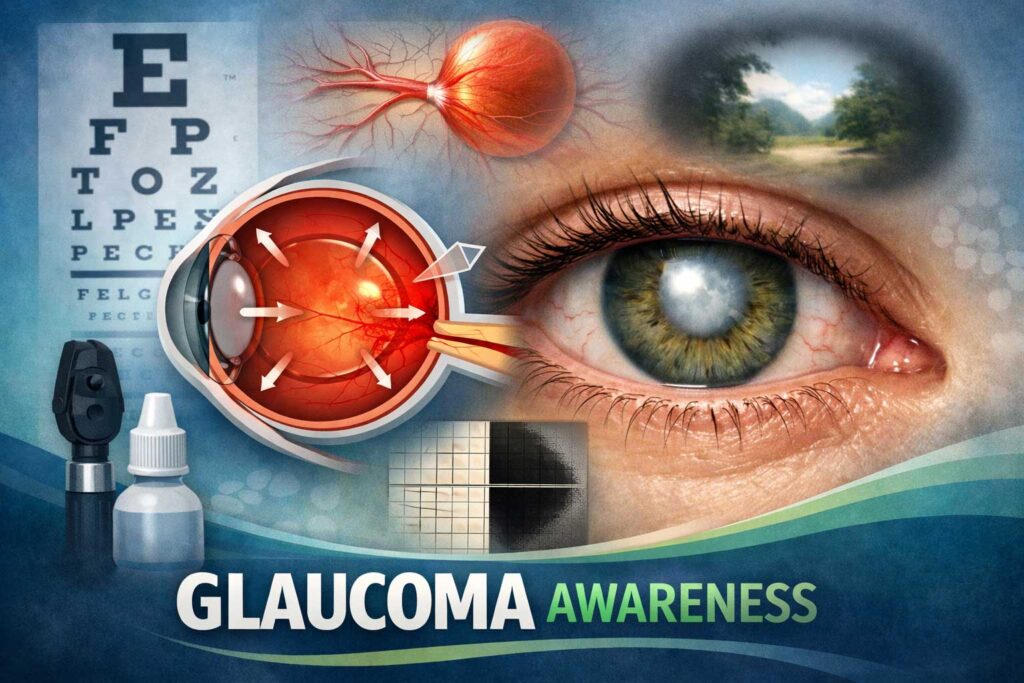
Breaking Barriers to Equitable Eye Care for Indigenous Canadians
For many of us, scheduling an eye exam is a routine task. We book an appointment, perhaps drive across town, and see an optometrist in a clean, well-equipped clinic. But for a significant number of Indigenous people in Canada, this basic aspect of healthcare is fraught with obstacles, leading to disproportionately high rates of preventable vision loss and blindness. The reality is that a deep-seated crisis in eye care accessibility is affecting the health, well-being, and economic potential of Indigenous communities across the nation.
This isn’t a matter of biology, but one of systemic inequality. The barriers are multifaceted, creating a perfect storm that separates people from the sight-saving care they need and deserve. Understanding these challenges is the first step toward building a more equitable and effective vision care system for all.
The Stark Reality: A Crisis of Preventable Vision Loss
The statistics paint a troubling picture. Indigenous Canadians experience a significantly higher prevalence of debilitating eye diseases compared to the non-Indigenous population. Conditions like diabetic retinopathy, cataracts, and glaucoma are detected later and progress further, often leading to irreversible vision impairment.
Diabetic retinopathy, a complication of diabetes that damages the blood vessels in the retina, is a particularly pressing concern. Given the higher rates of diabetes in many Indigenous communities, the risk is amplified. This condition is largely preventable with regular screening and timely treatment, yet it remains a leading cause of blindness because those essential services are often out of reach.
The human cost is immense. Vision loss affects every facet of life—a child’s ability to learn in school, an adult’s capacity to work and provide for their family, and an elder’s ability to live independently and stay connected to their culture and community.
Deconstructing the Barriers: Why Eye Care Remains Out of Reach
The inability to access adequate eye care is not due to a single failure but a cascade of interconnected systemic issues.
The Tyranny of Distance and the Lack of Local Providers
Many First Nations, Métis, and Inuit communities are located in remote or rural regions, hundreds of kilometers from the nearest city with a full-service eye clinic. Traveling for care involves:
Compounding the geographic challenge is a critical shortage of eye care professionals willing or able to practice in these areas. Recruiting and retaining optometrists and ophthalmologists in remote communities is difficult, leaving residents with few to no local options.
The Labyrinth of Jurisdictional and Funding Confusion
One of the most complex barriers is the tangled web of healthcare jurisdiction. The division of responsibility between federal, provincial, and territorial governments for Indigenous health services creates gaps and confusion.
This bureaucratic maze often leaves patients and providers alike unsure of what is covered and by whom, leading to delays, denials, and ultimately, forgone care.
Cultural and Linguistic Safety in the Clinic
When Indigenous patients do manage to see an eye care professional, the clinical environment may not feel safe or welcoming. Experiences of racism and discrimination within the healthcare system have created a well-founded sense of mistrust.
Without cultural safety, even the most advanced clinical care can be ineffective, as patients may disengage from the process entirely.
Pathways to Progress: Building a More Equitable Future
Addressing this crisis requires a concerted, multi-pronged approach that moves beyond temporary fixes to build sustainable, community-led solutions.
Embracing Mobile and Tele-Ophthalmology
Technology offers powerful tools to bridge the geographic divide. Mobile eye clinics, which are essentially fully-equipped optometry offices on wheels or in RVs, can travel between communities, providing comprehensive exams, diagnostics, and even dispensing glasses on-site. Similarly, tele-ophthalmology allows for remote retinal screenings. A local nurse can take high-quality images of a patient’s retina, which are then transmitted to a specialist hundreds of kilometers away for diagnosis and follow-up recommendations.
Strengthening Indigenous-Led Care and Workforce Development
Sustainable change must come from within. This involves:
Policy Reform and Cross-Jurisdictional Collaboration
Governments must work together to simplify the system. This means:
A Clear Vision for the Future
The barriers to equitable eye care for Indigenous Canadians are significant, but they are not insurmountable. They are the result of systemic failures that can be addressed through deliberate, collaborative, and respectful action. By leveraging technology, investing in Indigenous-led solutions, and untangling the bureaucratic knots that hinder access, we can begin to close the vision care gap.
The goal is not just to prevent blindness, but to affirm a fundamental right—the right to sight, the right to fully participate in society, and the right to access healthcare that is respectful, culturally safe, and effective. Achieving equitable eye care is a critical step on the path toward reconciliation and true health equity for all people in Canada.