Minimally Invasive Glaucoma Surgery (MIGS) Cost in UK
Minimally Invasive Glaucoma Surgery (MIGS) is becoming one of the most popular treatments for patients with mild to moderate glaucoma. This technique offers a safer, faster, and less invasive alternative to traditional surgeries like trabeculectomy, making it ideal for patients who need eye pressure reduction but want quicker recovery.
In the UK, MIGS is performed both in NHS hospitals and in private eye clinics, and understanding the cost, device options, and recovery process is key for patients planning their treatment.
What is MIGS?
MIGS refers to a group of surgical procedures that reduce intraocular pressure (IOP) using microscopic devices or tiny incisions, causing minimal disruption to the eye’s natural anatomy.
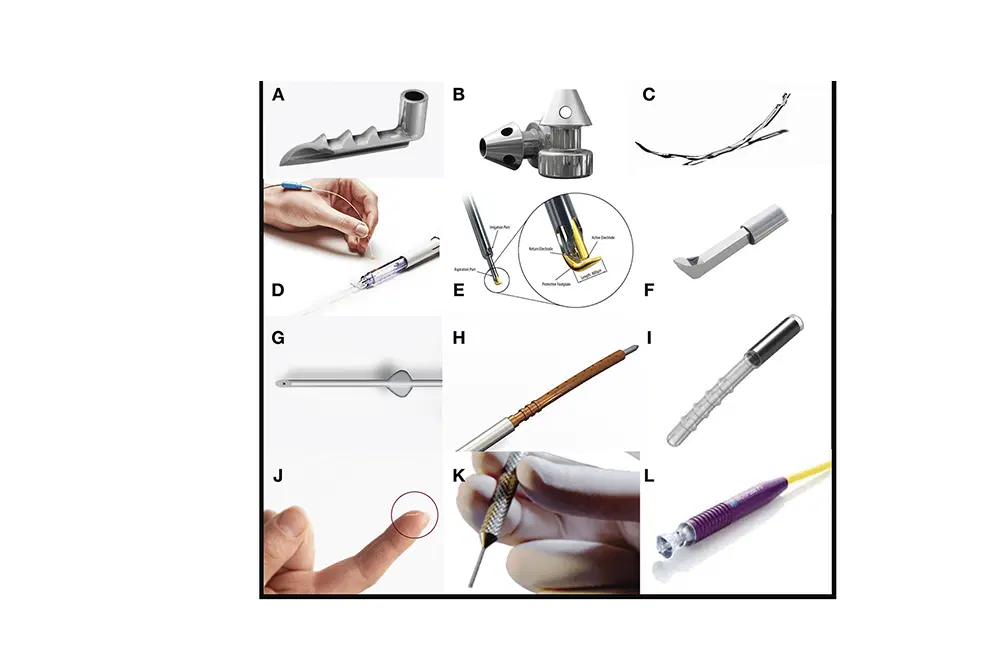
Common MIGS Devices Used in UK
-
iStent & iStent Inject: Tiny stents that bypass the eye’s natural drainage system to improve fluid outflow.
-
Hydrus Microstent: A flexible device placed in Schlemm’s canal to increase drainage capacity.
-
XEN Gel Stent: A soft, gelatin stent that creates a new drainage pathway under the conjunctiva.
-
Preserflo MicroShunt: A newer alternative for patients who need more significant IOP reduction.
These devices are often implanted at the same time as cataract surgery, maximizing results and reducing the need for additional procedures.
MIGS Cost in the UK
The average cost of MIGS surgery in UK private clinics ranges from £2,500 – £4,000 per eye, depending on:
-
The type of device used (XEN, Hydrus, iStent, etc.)
-
Whether it is done as a standalone procedure or combined with cataract surgery
-
The surgeon’s experience and the hospital’s location
-
Whether follow-up visits and medications are included in the package price
For patients covered by private health insurance, some MIGS procedures may be reimbursed, but many insurers still classify them as “new technology treatments.” This means pre-authorization is often required before scheduling surgery.
NHS Availability for MIGS
Access to MIGS under the NHS is increasing, but availability varies across regions. Some NHS Trusts routinely offer iStent or Hydrus during cataract surgery, while others may limit availability based on funding and clinical criteria.
Patients should check with their local NHS Trust or ophthalmologist to confirm:
-
Which MIGS devices are available locally
-
Whether waiting lists are shorter for combined cataract + MIGS surgery
-
If they qualify for the procedure under NHS funding
Benefits of MIGS
MIGS procedures are designed to be safer and gentler on the eye compared to traditional surgery. Benefits include:
-
Lower Risk of Complications: Minimal tissue disruption means fewer post-operative risks.
-
Faster Recovery: Most patients return to normal activities within a few days to a week.
-
Can Be Combined with Cataract Surgery: Reducing the need for multiple operations.
-
Fewer Eye Drops Needed: Many patients can reduce or eliminate daily glaucoma drops.
Risks and Limitations
While MIGS has a strong safety profile, patients should be aware that:
-
MIGS may not lower pressure as much as trabeculectomy or tube shunt surgery.
-
Some patients may still need eye drops after surgery.
-
Rare complications include device malposition, blockage, or failure over time.
Your ophthalmologist will recommend the most suitable procedure based on your target eye pressure and stage of disease.
Recovery After MIGS
Recovery time is usually quicker compared to traditional glaucoma surgery.
-
Most patients can resume light activities within 1–3 days.
-
Eye drops are prescribed for a few weeks to control inflammation and prevent infection.
-
Follow-up visits are typically scheduled in the first few weeks to monitor eye pressure.
MIGS vs. Trabeculectomy and Tube Shunts
For patients deciding between MIGS and more traditional glaucoma surgery, here’s how they compare:
| Surgery | IOP Reduction | Recovery Time | Risk Level | Typical Cost (Private UK) |
|---|---|---|---|---|
| MIGS (iStent, Hydrus, XEN) | Mild–Moderate | 1–3 days | Low | £2,500 – £4,000 per eye |
| Trabeculectomy | Significant | 2–4 weeks | Moderate | £3,500 – £5,000 per eye |
| Tube Shunt | Significant | 3–6 weeks | Moderate–High | £4,500 – £6,000 per eye |
MIGS is best suited for patients with mild to moderate glaucoma who want a minimally invasive option and are willing to trade slightly less pressure reduction for a faster, safer recovery.
Tips for Patients Considering MIGS
-
Request a Full Quote: Ensure the cost includes surgeon fees, hospital fees, device cost, and follow-ups.
-
Check Insurance: Ask if your policy covers MIGS or if pre-authorization is required.
-
Ask About Device Choice: Not all MIGS devices are the same; some may be better for certain eye anatomies.
-
Plan Ahead: If you have cataracts, combining MIGS with cataract surgery can save time and money.
Final Thoughts
Minimally Invasive Glaucoma Surgery (MIGS) is transforming the way glaucoma is treated in the UK. With shorter recovery times, lower complication rates, and growing availability through both NHS and private care, it offers a valuable option for many patients.
By understanding the cost, availability, benefits, and limitations of MIGS, patients can make informed decisions, plan financially, and choose the best pathway to protect their vision.