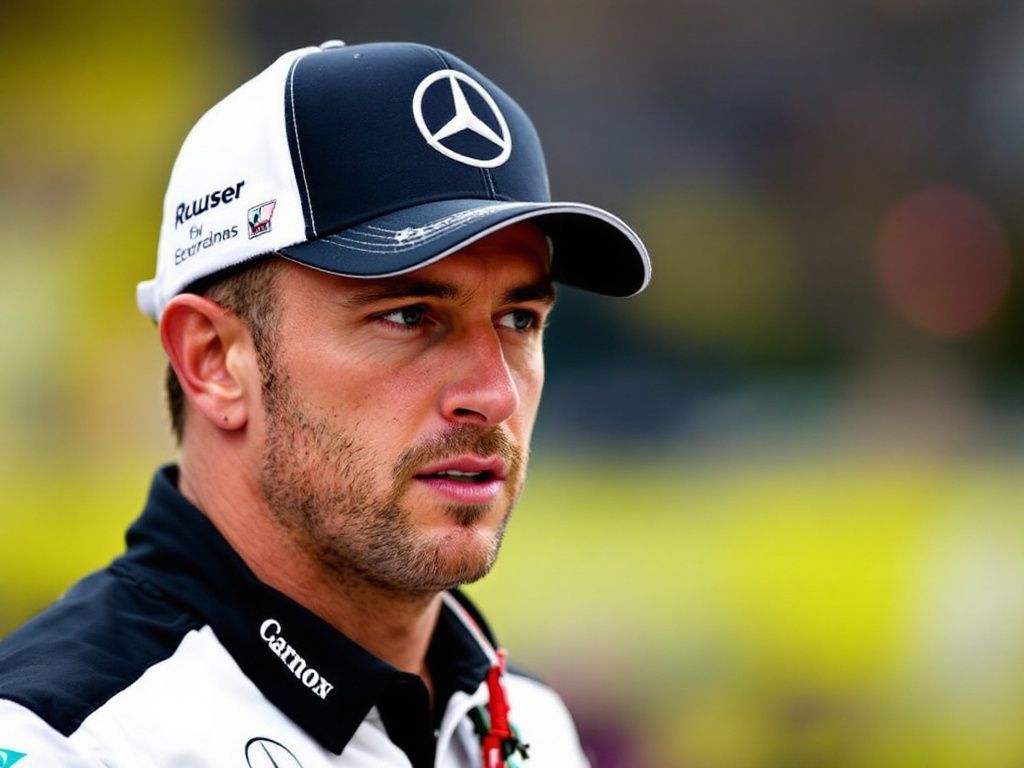
Russell Confident Mercedes Resolves GP Issue
Mercedes driver Russell believes the team has successfully addressed the technical challenges that affected their Hungarian Grand Prix performance and preparations.
Mercedes technical resolution
Understanding the Technical Challenges Mercedes Faced
Racing teams operate in one of the most demanding environments in sports, where even the smallest mechanical issue can cost them precious seconds on the track. Mercedes found themselves in exactly this situation heading into the Hungarian Grand Prix, with concerns about their vehicle’s performance that threatened to derail their competitive standing.
The specific nature of technical problems in Formula One requires rapid diagnosis and innovative solutions. Engineers work around the clock analyzing data from previous sessions, comparing telemetry readings, and identifying anomalies that could impact lap times or safety. What makes Mercedes’ situation particularly interesting is how quickly their technical team mobilized to address the underlying issues.
Russell’s Assessment of the Problem
George Russell, Mercedes’ accomplished driver, brought credibility to the team’s confidence through his detailed technical understanding of the vehicle. Drivers spend more time than anyone analyzing how their cars behave at different speeds and track conditions, making their input invaluable during problem-solving processes.
Russell’s confidence wasn’t based on optimism alone but rather on concrete evidence gathered during testing and practice sessions. He could feel the difference in how the car responded through various corners and straightaways, giving him genuine insight into whether the fixes were effective. This hands-on experience separates driver assessment from theoretical engineering solutions.
The Importance of Pre-Race Problem Solving in Formula One
Teams have limited time between Grand Prix weekends to implement major changes. The schedule doesn’t allow for endless experimentation or multiple revision cycles. Mercedes’ engineering department faced the pressure of delivering results quickly while maintaining the reliability standards required for competitive racing.
The Hungarian Grand Prix circuit presents unique challenges that can amplify certain technical issues. Tight corners, elevation changes, and specific braking zones put different stresses on the vehicle compared to other tracks on the calendar. Understanding these circuit-specific demands helped Mercedes target their problem-solving efforts more effectively.
How Modern Teams Approach Vehicle Optimization
Contemporary Formula One teams employ sophisticated simulation technology that allows engineers to predict how modifications will perform before physical implementation. These digital models integrate years of accumulated data and real-time information from sensors embedded throughout the vehicle.
Mercedes likely utilized their advanced facilities in Brackley to run countless simulation scenarios. This approach dramatically reduces the trial-and-error phase, allowing the team to implement changes with greater confidence. Russell’s positive outlook reflected the team’s data-driven methodology rather than wishful thinking.
The Role of Driver Feedback in Technical Development
No amount of telemetry data can fully replace a driver’s subjective experience behind the wheel. Russell’s ability to communicate exactly what the car felt like during different phases of a lap provides irreplaceable feedback for engineers analyzing performance issues. This collaboration between driver and technical team defines modern motorsport success.
Experienced drivers like Russell can distinguish between different types of handling characteristics. They understand whether an issue stems from aerodynamics, suspension geometry, braking systems, or tire management. This nuanced feedback accelerates the diagnostic process considerably.
Understanding the Confidence Behind Russell’s Statement
When a driver publicly expresses confidence in their team’s solutions, it carries weight in the motorsport world. Russell’s statement indicated that he genuinely felt the modifications made tangible improvements during testing. This wasn’t lip service for media relations but rather an informed assessment from someone who intimately understands the vehicle.
Mercedes has a history of solving complex technical problems effectively. The team’s reputation for engineering excellence gave Russell reason to trust that the identified issues would be properly resolved. This institutional confidence, combined with individual driver conviction, creates the psychological foundation for competitive performance.
The Technical Specifics of Vehicle Performance Issues
Formula One technical problems rarely manifest as single isolated incidents. Issues typically cascade through interconnected systems, creating multiple performance symptoms. Mercedes’ engineers likely traced surface-level problems back to their root causes in the vehicle architecture or setup specifications.
The fixes implemented could have involved anything from suspension adjustments to aerodynamic modifications or software tuning. Each solution required validation through multiple testing phases to ensure it didn’t create new problems while solving the original issue. Russell’s confidence suggested this validation process had been completed successfully.
Pressure and Performance in Elite Racing
Drivers at Russell’s level thrive under pressure but also maintain realistic assessments of their equipment. A driver expressing confidence in unresolved technical issues would damage their credibility. Russell’s statement implied the team had genuinely made progress that he could feel and verify personally.
The psychological aspect of believing in your equipment shouldn’t be underestimated. If Russell truly felt the car had improved, this confidence would translate into more aggressive driving and better decision-making during the race. Mental state directly impacts performance outcomes in competitive motorsport.
Looking Forward: How Resolution Impacts Season Momentum
Resolving technical issues before a Grand Prix weekend prevents them from festering into larger problems. Teams that fail to address concerns quickly often find themselves dealing with similar issues across multiple races, compounding their performance deficit. Mercedes’ proactive approach potentially protected their entire season trajectory.
Russell’s confidence suggested Mercedes wouldn’t merely be competitive at Budapest but could potentially challenge for strong results. The psychological momentum from successfully solving problems often translates into improved performance across subsequent races. The team gains confidence alongside the driver, creating a positive feedback loop.
The Bigger Picture: Technical Excellence in Formula One
Mercedes’ ability to identify, diagnose, and resolve technical problems exemplifies why the team remains competitive despite intense competition. Their combination of engineering expertise, technological sophistication, and driver talent creates a formidable package. Russell’s confidence reflected the complete competency of this system.
The racing world constantly reminds us that victories are won through attention to detail and relentless problem-solving. Teams that can execute this process faster than competitors gain significant advantages. Mercedes demonstrated this capability by addressing their Hungarian Grand Prix concerns before the race even began, positioning themselves for success.