How Hormones and Screen Time Impact Professional Women’s Eye Health
For many professional women today, the workday is built around screens. It begins with a smartphone and often ends with a laptop or tablet. Between emails, video meetings, reports, and digital collaboration, screen exposure has become constant.
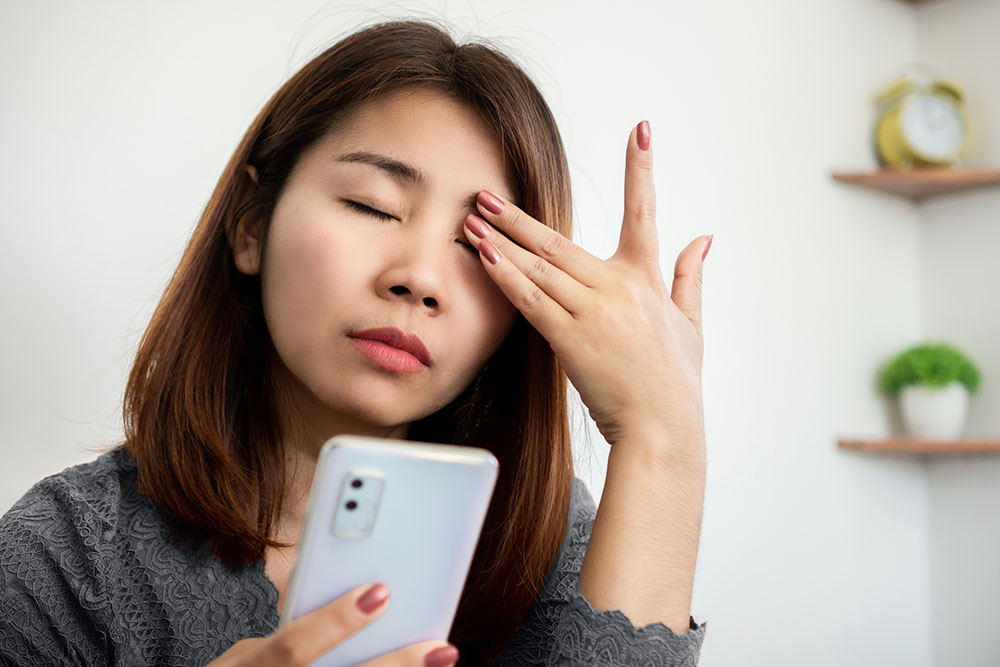
This prolonged use is a known cause of digital eye strain. But there is another factor that is often overlooked—hormonal changes. The interaction between screen time and hormones creates a unique set of risks for women’s eye health, including dry eye disease, headaches, and long-term visual discomfort.
Research and clinical discussions increasingly show that professional women face a higher and more complex risk profile when it comes to eye strain. Hormonal fluctuations combined with modern digital habits can significantly affect both comfort and vision quality.
The Biological Link Between Hormones and Eye Health
The eye is not separate from the rest of the body. It is directly influenced by hormones such as estrogen, progesterone, and androgens. These hormones affect the tear film, which is essential for clear and comfortable vision.
Hormonal Changes and Tear Stability
A healthy tear film keeps the eye lubricated and protected. When hormone levels shift, this balance can be disrupted.
- Estrogen and progesterone changes: During the menstrual cycle, pregnancy, and especially perimenopause and menopause, hormone levels fluctuate. These changes can reduce oil production in the Meibomian glands, which help prevent tear evaporation.
- Resulting dry eye: When the oil layer weakens, tears evaporate too quickly, leading to evaporative dry eye. This is more common in women than men.
- Menopause impact: A drop in androgens like testosterone can weaken gland function further, making dry eye more chronic after age 40.
Pregnancy and Vision Changes
Pregnancy can also affect vision. Hormonal shifts may change corneal shape and tear stability, leading to:
- Blurred or fluctuating vision
- Contact lens discomfort or intolerance
- Increased eye dryness
These changes often become more noticeable when combined with long hours of screen use.
Screen Time as a Major Aggravating Factor
While hormones create a baseline sensitivity, screen use often triggers or worsens symptoms.
Reduced Blinking and Eye Strain
When focusing on screens, people naturally blink less. This effect becomes more noticeable during high mental concentration.
For women already experiencing hormonal changes or stress:
- Blink rate may drop significantly
- Tears evaporate faster
- Eyes become dry and irritated
- Visual discomfort increases throughout the day
This creates a cycle where dryness leads to strain, and strain further reduces blinking.
Blue Light and Sleep Disruption
Digital screens emit blue light, which can interfere with the body’s natural sleep cycle by suppressing melatonin.
For professional women managing work and personal responsibilities, this effect is often stronger due to late-night screen use.
Common consequences include:
- Poor sleep quality
- Increased stress levels
- More severe hormonal symptoms (such as PMS or hot flashes)
- Greater eye fatigue and sensitivity
Over time, this can contribute to long-term eye strain and discomfort.
Computer Vision Syndrome
Extended screen use can lead to Computer Vision Syndrome (CVS), which is highly common among office workers.
Typical symptoms include:
- Eye strain and fatigue
- Headaches
- Blurred vision after screen use
- Dry, irritated, or burning eyes
- Neck and shoulder tension
For women in midlife, these symptoms are sometimes mistaken for aging or general fatigue, when they are actually linked to both hormonal and digital factors.
The Professional Impact
Eye discomfort is not just a health issue—it also affects work performance.
Dry or strained eyes can lead to:
- Slower reading and processing speed
- Reduced focus during detailed tasks
- Increased mistakes in data-heavy work
- Difficulty maintaining long periods of concentration
There is also a visible impact. Red or tired-looking eyes may unintentionally affect professional presence, especially in client-facing roles.
Practical Strategies for Protection
The good news is that eye strain can be managed with consistent habits and targeted care.
Improve Daily Screen Habits
- Follow the 20-20-20 rule: Every 20 minutes, look 20 feet away for 20 seconds.
- Blink consciously: Take a moment to fully close and open your eyes during breaks.
- Adjust screen height: Keep the screen slightly below eye level to reduce eye exposure and dryness.
- Reduce glare: Position screens away from direct light sources.
Support Hormonal and Nutritional Health
- Omega-3 fatty acids: Help support tear quality and reduce inflammation.
- Stay hydrated: Dehydration can worsen dry eye symptoms.
- Lutein and zeaxanthin: Help filter blue light and support retinal health.
- Medical consultation: Women experiencing strong hormonal symptoms and eye dryness may benefit from speaking with a healthcare professional.
Optimize Digital Environment
- Use blue light filters: Enable night mode settings in the evening.
- Consider screen-filter glasses: May help reduce visual fatigue during long hours of work.
- Use preservative-free eye drops: Help maintain moisture without irritation.
- Improve air quality: A humidifier can reduce dryness in air-conditioned spaces.
Evening Eye Recovery Routine
- Limit screens before bed: Reduce screen use at least 60–90 minutes before sleep when possible.
- Warm compress: Helps improve oil flow in eyelid glands and reduce dryness.
- Rest the eyes: Reading printed material can help relax focusing muscles.
Final Thoughts
Hormones and screen time together create a unique challenge for professional women’s eye health. While each factor alone can cause discomfort, their combined effect can significantly increase eye strain, dryness, and fatigue.
Understanding this connection is the first step toward prevention. With simple daily habits, proper nutrition, and better screen hygiene, it is possible to protect long-term eye health without compromising professional performance.
Eye strain should not be seen as a normal part of modern work. It is a signal that the body needs better balance between biology and digital demands.