New Eye Disease Linked to Farmed Seafood Virus Outbreak
A startling new public health concern is emerging from an unexpected source: our dinner plates. Recent reports have confirmed a troubling link between a virus commonly found in farmed seafood and a novel, potentially serious eye disease in humans. This development, moving from aquatic farms to human eyes, is sending ripples through the medical, scientific, and food safety communities, prompting urgent calls for greater oversight and consumer awareness.
From Fish Farm to Human Eye: The Unlikely Path of a Pathogen
The story begins not in a clinic, but in the vast, densely populated aquaculture farms that supply a significant portion of the world’s seafood. For years, a particular virus has been known to circulate among stocks of fish like salmon and trout, causing economic losses for farmers but considered a non-issue for human health. This assumption has now been categorically overturned.
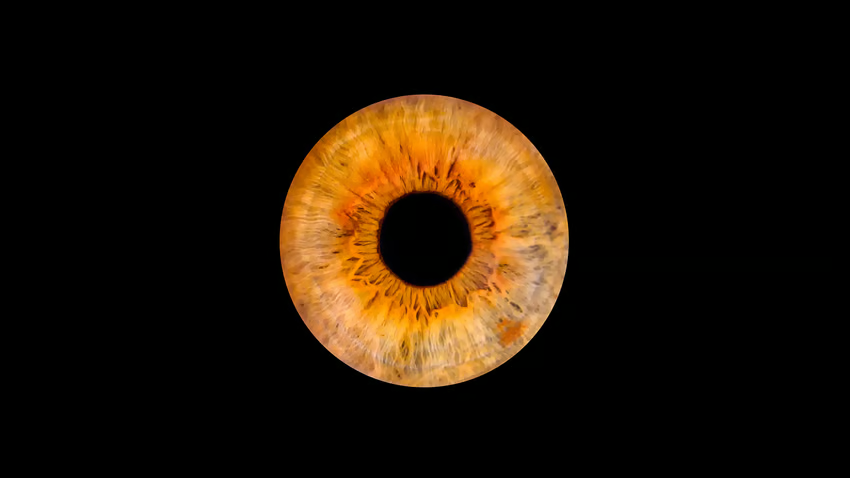
Researchers have traced a new inflammatory eye condition, tentatively named Aquatic Viral Keratoconjunctivitis (AVKC), directly to this pathogen. The virus appears to jump species through two primary vectors:
- Direct Contact: Handling infected raw or undercooked seafood, where fluids from the fish come into contact with the eyes (e.g., splashing, rubbing eyes with contaminated hands).
- Contaminated Water: Exposure to water run-off from affected aquaculture facilities, which can occur during recreational activities in nearby waterways.
The virus targets the ocular surface, leading to a distinct and painful set of symptoms that differentiate it from more common eye infections.
Symptoms and Risks: Recognizing AVKC
Unlike the common “pink eye” (conjunctive), AVKC presents with a more severe and specific clinical picture. Individuals who have handled or been exposed to farmed seafood and develop eye issues should watch for these hallmark signs:
Primary Symptoms:
- Severe Photophobia: Extreme sensitivity to light, far beyond typical discomfort.
- Intense Redness & Vascularization: The eye exhibits a pronounced, deep red pattern as new blood vessels invade the cornea.
- Corneal Haze & Lesions: The clear front of the eye becomes cloudy, and distinctive pinpoint lesions may be visible under medical examination.
- Persistent Foreign Body Sensation: A constant, gritty feeling as if something is stuck in the eye.
Potential Long-Term Complications:
If left untreated, or in severe cases, AVKC can lead to lasting damage. The most significant concern is corneal scarring, which can permanently impair vision, leading to blurred sight or even legal blindness in the affected eye. The inflammatory process can also cause issues with tear production, resulting in chronic dry eye syndrome.
The Aquaculture Connection: A System Under Pressure
The outbreak has turned a harsh spotlight on modern aquaculture practices. To meet global demand, many farms operate with high stock densities, which can create ideal conditions for pathogens to spread rapidly among stressed fish populations.
The use of prophylactic antibiotics in some farms has done little to curb this viral outbreak, and may even contribute to broader antibiotic resistance issues. The situation reveals a critical gap in food safety monitoring: while bacteria like salmonella are routinely tracked, surveillance for specific animal viruses with zoonotic potential has been minimal.
This is not just a problem of isolated ponds. The globalized seafood trade means infected stock or products can travel across borders, turning a local farm issue into an international public health incident. Regulatory bodies are now scrambling to develop new testing protocols and containment strategies specifically for this virus.
Protecting Yourself: Safety Guidelines for Consumers and Workers
While the news is concerning, knowledge is the first line of defense. Both seafood industry workers and home cooks can take practical steps to significantly reduce their risk of infection.
For Everyone Handling Seafood:
- Wear protective eyewear (safety glasses) when cleaning, filleting, or handling raw seafood, especially from farmed sources.
- Wash hands thoroughly with soap and water immediately after touching raw seafood, and avoid touching your face or eyes until you have done so.
- Use separate cutting boards and utensils for raw seafood, and disinfect surfaces with a suitable cleaner.
Cooking and Consumption:
- Ensure seafood is cooked thoroughly. Proper heat kills the virus. The FDA recommends cooking fish to an internal temperature of 145°F (63°C).
- Be extra cautious with high-risk preparations like ceviche or lightly cured fish, which may not reach temperatures high enough to inactivate the virus.
- If you wear contact lenses, be meticulous about handwashing before handling them, especially after being in a kitchen where seafood was prepared.
The Road Ahead: Research, Regulation, and Responsibility
The emergence of AVKC is a classic example of a zoonotic spillover event, where a pathogen jumps from animals to humans. It underscores the intricate and sometimes dangerous links between animal agriculture, environmental health, and human medicine.
The path forward requires a multi-pronged approach:
- Accelerated Research: Scientists are working to better understand the virus’s genetics, its exact transmission mechanics, and to develop effective antiviral treatments for AVKC. Diagnostic tools for rapid identification are also a priority.
- Enhanced Farm Biosecurity: The aquaculture industry must invest in better disease management, including lower stocking densities, improved water filtration, and rapid culling of infected stocks to break the transmission cycle.
- Updated Food Safety Policy: Governments and international agencies need to establish and enforce new standards for viral pathogen screening in farmed seafood, similar to existing protocols for bacterial contaminants.
This outbreak serves as a potent reminder that our food systems are dynamic ecosystems. The health of the animals we farm is inextricably linked to our own. While farmed seafood remains a crucial protein source for billions, this event highlights the non-negotiable need for sustainable, transparent, and rigorously safe practices. For now, vigilance in the kitchen and support for sound science and policy are our best tools to curb this novel threat and protect our vision—both literally and figuratively—for the future.