Why Self-Purchasing Eye Drops Can Actually Worsen Your Eye Condition
Self-Medicating with Eye Drops: A Risky Gamble for Your Vision
Many people experience dry, irritated, or bloodshot eyes at some point. It is uncomfortable, distracting, and often leads to a quick trip to the pharmacy for relief. Over-the-counter eye drops seem like a simple solution—they are accessible, affordable, and promise fast results.
However, according to reports from Sức Khỏe (Health), this habit of self-prescribing eye drops can be dangerous. In some cases, it may worsen underlying eye conditions, cause complications, and even contribute to long-term vision damage.
The eye is not a generic, interchangeable organ. It has complex biological systems that require targeted treatment. Choosing eye drops without a proper diagnosis can unintentionally disrupt these systems and aggravate the problem.
The Deceptive Danger of “Redness Reliever” Eye Drops
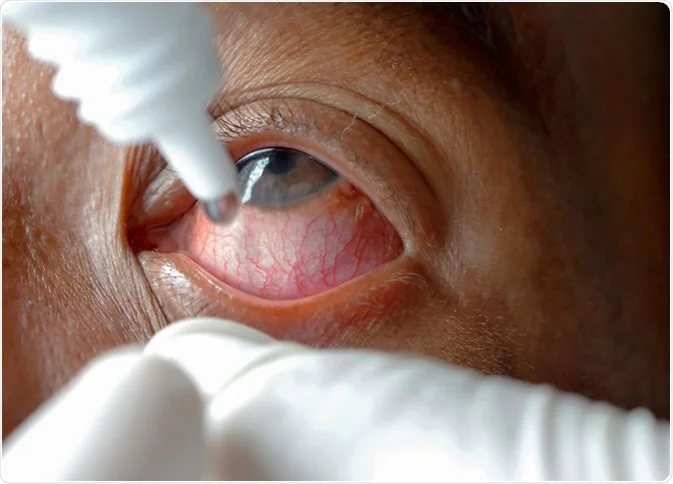
One of the most commonly used over-the-counter options is “redness reliever” eye drops. These products provide rapid cosmetic improvement by reducing visible redness, but they do not treat the underlying cause.
The Vasoconstrictor Trap
These drops typically contain vasoconstrictors such as tetrahydrozoline or naphazoline, which temporarily shrink blood vessels on the eye’s surface.
However, this creates a problematic cycle:
- Rebound redness: Once the effect wears off, blood vessels often dilate more intensely than before
- Dependence cycle: Users may apply the drops more frequently to counter worsening redness
- Chronic irritation: Long-term use can lead to conjunctivitis medicamentosa, a drug-induced inflammation that causes persistent redness
If these drops are used more than a few times per week, rebound effects may already be occurring. Medical supervision is required to safely discontinue use.
The Steroid Pitfall: Masking Disease While Infection Progresses
A more serious risk comes from steroid-based eye drops, which are sometimes available without prescription in certain regions.
Steroids are powerful anti-inflammatory agents that can rapidly reduce redness, swelling, and pain. However, they do not treat underlying infections.
Why This Is Dangerous
- Hidden infections: Steroids can suppress symptoms while bacterial, viral, or fungal infections continue to spread
- Worsening viral disease: Conditions such as herpes keratitis can rapidly progress and cause corneal scarring
- Glaucoma risk: Prolonged unsupervised use may increase intraocular pressure, potentially leading to irreversible optic nerve damage
What appears to be a harmless “anti-redness” drop may, in reality, be masking a serious and progressing eye disease.
The Artificial Tears Conundrum: Not All Drops Are Equal
Even artificial tears, often considered safe, can pose risks when misused.
The Hidden Role of Preservatives
Many multi-dose eye drop bottles contain preservatives such as benzalkonium chloride to prevent contamination.
- Surface toxicity: Frequent use can damage corneal epithelial cells
- Worsening dryness: Ironically, prolonged exposure may contribute to chronic dry eye symptoms
Incorrect Product Selection
Dry eye disease is not a single condition. It includes multiple subtypes:
- Evaporative dry eye (often linked to meibomian gland dysfunction)
- Aqueous-deficient dry eye
Using the wrong formulation may result in little or no relief, or even worsening symptoms.
Clinical Insight from Vietnam
Reports from Lao Động highlight real-world cases in which patients self-treated minor eye conditions, leading to complications.
For example, a patient with a small corneal abrasion used self-purchased steroid or anesthetic drops. While pain temporarily disappeared, the underlying injury worsened due to infection. What could have been a simple 24-hour recovery became a prolonged treatment course with risk of scarring.
Symptoms That Require an Ophthalmologist, Not a Pharmacy
Self-diagnosis of eye conditions is unreliable. Medical evaluation is essential when any of the following occur:
- Sharp or stabbing eye pain
- Sensitivity to light (photophobia)
- Blurred or reduced vision
- Thick yellow or green discharge
- Persistent foreign body sensation
- History of eye surgery or contact lens use
Safe Management of Common Eye Irritations
For mild computer-related dryness or fatigue, eye drops can be used safely if chosen correctly.
Best Practice Guidelines
- Use preservative-free formulations for frequent application (more than 4 times daily)
- Select appropriate viscosity: gels for severe dryness, lighter drops for mild irritation
- Avoid vasoconstrictor drops entirely due to rebound risk
- Follow expiration guidelines: discard bottles after recommended usage period (often 28 days after opening)
The Bottom Line: Do Not Self-Diagnose Your Eyes
The greatest risk of self-purchasing eye drops is not the product itself, but the delay in proper diagnosis. Conditions such as uveitis, glaucoma, corneal ulcers, and infections can mimic simple irritation in early stages.
A professional eye examination can quickly distinguish between these conditions. Relying on over-the-counter solutions may temporarily mask symptoms while allowing serious disease to progress.
Eye health should not be treated as trial and error.
If symptoms persist, worsen, or are unclear, the correct action is not another bottle of drops—it is a clinical evaluation. The right treatment depends entirely on the correct diagnosis, and delaying that process can have lasting consequences for vision.