Oral Contraceptives and Dry Eye Disease
Oral contraceptive use shows no increased dry eye risk based on research
Oral contraceptives dry eye
What Women Taking Birth Control Need to Know About Eye Health
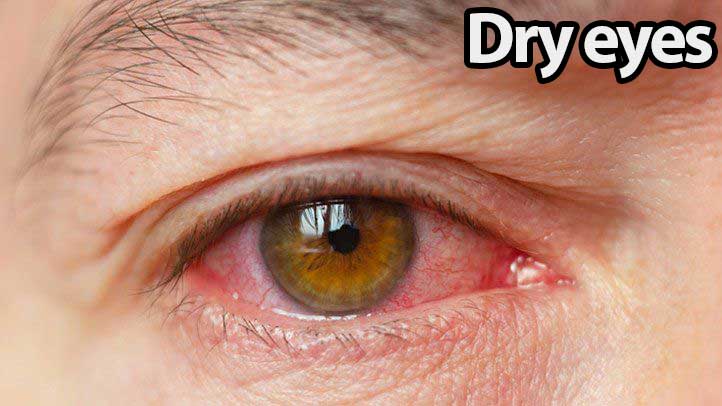
If you’re a woman taking oral contraceptives, you’ve probably heard countless claims about potential side effects. From mood changes to weight fluctuations, the list seems endless. But here’s something that might surprise you: despite widespread concern among eye care professionals, a comprehensive systematic review has found no credible link between oral contraceptive use and dry eye disease development.
This finding challenges assumptions that have circulated in ophthalmology and optometry circles for years. For many women concerned about their eye health, this news offers reassurance about a medication they rely on for contraception.
Understanding the Research Behind the Findings
Systematic reviews represent the gold standard in medical research. They involve comprehensive analysis of multiple clinical trials and studies to identify patterns and reach evidence-based conclusions. Researchers examining the relationship between oral contraceptives and dry eye disease didn’t find sufficient evidence to support a causal connection.
This thorough examination of existing literature matters because it helps separate myth from medical fact. Eye care professionals often receive questions from patients worried that hormonal birth control might trigger or worsen dry eye symptoms. The research provides doctors with solid ground to reassure concerned patients.
Why the Misconception About Hormones and Dry Eyes?
The assumption that hormonal changes affect tear production makes intuitive sense. Hormones influence numerous bodily functions, from skin moisture to mucous membrane health. Since the eyes depend on a stable tear film to function properly, it seemed logical that oral contraceptives might disrupt tear production.
Additionally, some women report experiencing various symptoms when starting hormonal birth control. When these symptoms coincide with dry eye discomfort, it’s natural to assume causation. However, correlation doesn’t equal causation, which is exactly why systematic reviews examining actual clinical evidence prove so valuable.
What This Means for Current Users
Women currently taking oral contraceptives can feel confident that their medication isn’t causing dry eye disease based on available scientific evidence. This is particularly important for women who benefit significantly from contraceptive use and want reassurance about potential eye-related risks.
If you’re experiencing dry eye symptoms while on birth control, the cause likely stems from other factors entirely. Environmental conditions, screen time, allergies, or underlying eye conditions represent more probable culprits than the contraceptive itself.
Distinguishing Between Different Eye Conditions
Dry eye disease represents just one of many potential eye concerns. Other ocular conditions have shown stronger associations with oral contraceptive use, which may explain the persistent confusion. Understanding these distinctions helps patients and providers make informed decisions.
Some research suggests hormonal changes might affect conditions like migraine-associated visual symptoms or certain types of contact lens intolerance. However, dry eye disease specifically stands apart based on current evidence. The distinction matters because it prevents unnecessary medication changes.
The Importance of Comprehensive Eye Exams
Regardless of contraceptive use, all women should prioritize regular comprehensive eye examinations. These exams can detect dry eye disease and numerous other conditions early, allowing for prompt treatment before symptoms become bothersome.
During eye exams, inform your eye care provider about all medications you take, including oral contraceptives. This complete medical history helps providers identify potential interactions or connections while avoiding unfounded assumptions about your medications.
Managing Dry Eye Symptoms Effectively
If you’re using oral contraceptives and experiencing dry eye symptoms, effective treatments exist regardless of the symptom’s origin. Artificial tears, warm compresses, and lid hygiene practices provide relief for many patients without requiring medication changes.
More persistent dry eye may require prescription treatments like cyclosporine eye drops or punctal plugs. Your eye care professional can recommend the most appropriate treatment based on your specific situation and symptom severity.
Lifestyle Factors That Influence Tear Production
Modern life introduces numerous challenges to eye health that have nothing to do with contraceptive use. Extended screen time reduces blinking frequency, leading to increased evaporation of tears. Poor indoor air quality, heating systems, and air conditioning all contribute to dry eye symptoms.
Taking regular breaks from screens, staying hydrated, and maintaining healthy humidity levels in your environment can significantly improve eye comfort. These simple adjustments often provide more relief than changing medications.
What Research Gaps Remain
While the systematic review provides reassuring findings, researchers acknowledge areas requiring further investigation. Some specific formulations or dosages of oral contraceptives haven’t been extensively studied in relation to dry eye disease.
Additionally, individual variations in hormone sensitivity mean some women might experience different responses to hormonal medications than others. Ongoing research continues exploring these nuances to provide increasingly personalized medicine.
Making Informed Decisions About Contraception
Women choosing contraceptive methods should base decisions on accurate, evidence-based information rather than unsupported assumptions about side effects. The research on oral contraceptives and dry eye disease provides one less concern for women considering this popular birth control option.
If you’ve been hesitant about oral contraceptives due to dry eye concerns, you can feel more confident pursuing this option if it otherwise meets your contraceptive needs. Your eye health and reproductive health both deserve careful consideration based on actual evidence.
Discussing Your Eye Health With Your Providers
Open communication between your eye care provider and your primary care physician benefits your overall health. Share information about all medications, including oral contraceptives, so your care team can provide comprehensive guidance.
If you’re experiencing dry eye symptoms, your eye care specialist can evaluate whether they stem from contraceptive use or other sources. This targeted approach leads to more effective treatment and better outcomes.
The Bottom Line for Women’s Health
Research consistently failing to find links between oral contraceptives and dry eye disease offers reassurance to millions of women using this contraceptive method. You can prioritize your eye health by maintaining regular eye exams and addressing any symptoms promptly, regardless of your contraceptive choice.
Taking oral contraceptives doesn’t increase your dry eye disease risk according to current scientific evidence. This knowledge empowers you to make informed decisions about your reproductive health without unnecessary concerns about ocular side effects.