A Glaucoma Diagnosis That Changed One Woman’s Life
Persistent headaches, itchy eyes, and unexplained discomfort may seem like ordinary health problems. However, for some people, these symptoms can be associated with an underlying eye condition that gradually damages vision before they realize how serious it has become.
That was the experience of 50-year-old Jane Wangeci from Kitengela, Kajiado County, Kenya. Her journey with glaucoma began in September 2018, eventually leaving her completely blind despite seeking medical attention and undergoing surgery.
Today, Jane is rebuilding her life through vocational training, mat-making, traditional Japanese massage, music, and entrepreneurship. Her experience highlights two important issues: the need for early glaucoma detection and the importance of rehabilitation for people living with permanent vision loss.
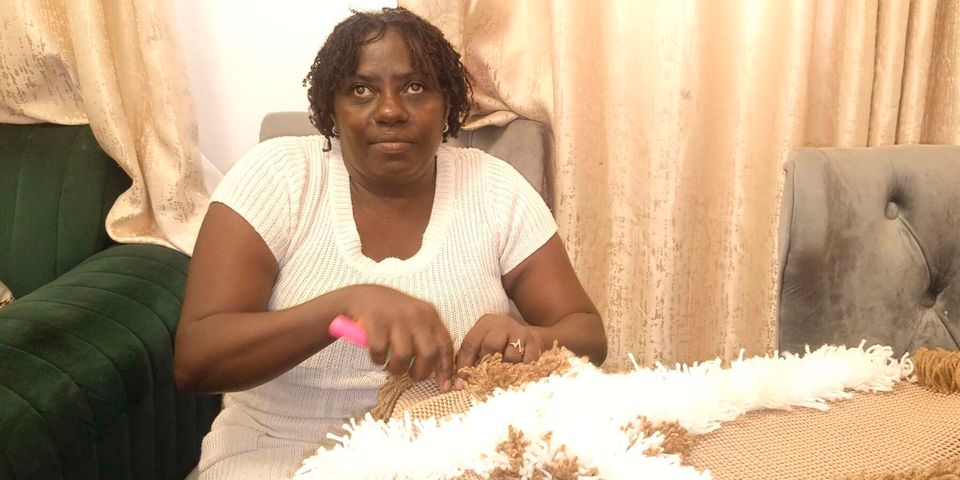
According to a report published by Nation Media Group on November 9, 2026, Jane was visited at her rented home in Kitengela on November 3, 2026, where she demonstrated how she continues making mats using her sense of touch.
How Glaucoma Progressed Before Her Diagnosis
Jane’s eye problems started while she was working at her dressmaking shop in Kitengela Township. Before losing her sight, she had experienced months of itchy eyes and recurring headaches.
She initially relied on over-the-counter painkillers and medication provided at a local health facility. However, the treatments did not address the underlying condition.
In September 2018, she suddenly experienced intense pain in her right eye one evening, followed by complete darkness. The experience frightened her, particularly because she could no longer see properly with that eye.
She returned to the health facility approximately one week later and was referred to Mbagathi Hospital. There, doctors diagnosed advanced glaucoma that had already caused irreversible damage and was progressing toward her left eye.
According to the medical explanation she received, the disease had severely damaged her optic nerves. Although she subsequently received treatment, the damage had already reached an advanced stage.
Understanding why glaucoma is difficult to detect
Glaucoma is a group of eye conditions that damage the optic nerve, which carries visual information from the eye to the brain. The condition is frequently associated with increased intraocular pressure, although optic nerve damage can also occur in people whose eye pressure falls within the usual range.
One reason glaucoma is particularly concerning is that its most common forms may develop without noticeable early symptoms. A person can gradually lose peripheral vision without immediately recognizing the changes.
As the disease progresses, the affected visual field can become increasingly restricted. Unfortunately, vision already lost because of glaucoma generally cannot be restored.
The Kenyan Ministry of Health identifies glaucoma as a significant cause of irreversible blindness. Its data place prevalence at approximately 4.3 per cent among people aged 50 and older, while the condition accounts for roughly 23 per cent of all blindness cases in Kenya.
Data from the Kajiado Department of Health also identify glaucoma and cataracts as leading causes of visual impairment among older residents of the county, particularly in rural communities.
Treatment Challenges, Financial Difficulties, and Surgery
Following her diagnosis, Jane began attending regular hospital appointments and using prescribed medication in an effort to protect the vision remaining in her left eye.
She received medical care for approximately two years, but the COVID-19 pandemic and the lockdowns in 2020 disrupted her hospital visits. At times, she struggled to obtain her medication and artificial tears, which help relieve eye dryness, irritation, and discomfort.
By 2021, her eyesight in the left eye was deteriorating rapidly. She also experienced emotional difficulties as her independence declined and she became increasingly dependent on her husband, Richard King’ori.
In late 2021, Jane sought additional care at Kikuyu Mission Hospital before moving to a private hospital in Nairobi. Her church, PCEA Kitengela, eventually helped raise money to support the operation she needed.
The financial burden was substantial. Jane explained that the initial ophthalmologist’s surgical fee was Sh350,000 when her left-eye vision was still at 50 per cent. By the time she found another doctor charging Sh80,000, her remaining vision had fallen to five per cent.
Despite the fundraising efforts and surgery, her sight was not restored. By 2023, she had accepted that she would need to adjust to life as a visually impaired person.
Her experience demonstrates why early diagnosis matters. Glaucoma treatment can help slow or prevent additional damage, but it cannot reliably reverse optic nerve injury that has already occurred.
How Vocational Training Helped Jane Rebuild Her Independence
Rather than allowing blindness to end her productive life, Jane decided to learn new ways of performing everyday activities and developing skills that could support her financially.
In August 2023, she enrolled at Machakos Technical Institute for the Blind in Machakos County. During the first year of her training, she learned how to use a white cane, read and write Braille, and develop practical life skills.
She also received training in Tactile Learning Base, an approach that allows visually impaired learners to work with materials through touch. The techniques involve measuring, aligning, and joining materials without depending on sight.
This training connected with Jane’s existing interest in dressmaking and design. She gradually developed her ability to produce handmade mats, starting with basic interwoven patterns before progressing to more complicated designs.
During the second year of her two-year course, she learned to create mats featuring multiple colours, decorative borders, fringes, and different textures.
Turning practical skills into income
Mat-making eventually became one of Jane’s sources of income. She now produces mats at home or on her veranda, earning between Sh2,500 and Sh3,000 for each piece.
She also trained in Shiatsu, a traditional Japanese massage technique that uses sustained pressure, stretching, gentle manipulation, and joint movements.
Unlike massage methods that rely on oils or lotions, Shiatsu is generally performed with the client fully clothed on a mat or futon. Jane has turned this skill into another source of livelihood, charging between Sh350 and Sh500 for a 15-minute session.
She provides massage services at her home or at clients’ residences and engages a female assistant whenever necessary.
Her activities show how vocational education can help people with visual disabilities develop practical skills, regain confidence, and participate in income-generating work.
Glaucoma Awareness: Symptoms, Diagnosis, and When to Seek Help
Jane’s experience also highlights the importance of understanding glaucoma before noticeable vision loss develops. Regular comprehensive eye examinations are particularly important for people with risk factors such as older age, family history of glaucoma, high blood pressure, and diabetes.
Common warning signs and risk factors
Open-angle glaucoma, one of the most common forms, often develops gradually without obvious discomfort. Some people do not recognize a problem until their peripheral vision has already been affected.
Other forms, including acute angle-closure glaucoma, can produce sudden and severe symptoms. These may include intense eye pain, redness, blurred vision, headaches, nausea, and seeing halos around lights.
How eye specialists check for glaucoma
A comprehensive glaucoma examination involves more than checking whether someone can read letters on an eye chart. Eye specialists use several tests to assess pressure, drainage structures, optic nerve health, and visual function.
Important examinations include:
Tonometry: Measures intraocular pressure, or the pressure inside the eye.
Gonioscopy: Allows an eye specialist to examine the drainage angle where fluid leaves the eye.
Visual field testing: Checks whether glaucoma has affected peripheral or central vision.
Optic nerve examination: Helps identify structural damage to the nerve responsible for transmitting visual information.
These examinations help specialists evaluate possible glaucoma and monitor changes over time. Measuring eye pressure alone is not sufficient to rule out the disease.
When should you see an eye doctor?
Do not wait until your vision becomes noticeably worse before arranging an eye examination. People with a family history of glaucoma, diabetes, high blood pressure, or other recognized risk factors should discuss appropriate screening schedules with an eye-care professional.
Sudden severe eye pain, a red eye, blurred vision, halos around lights, or nausea accompanying eye symptoms require immediate medical attention. Acute angle-closure glaucoma is an eye emergency that can cause permanent vision damage without prompt treatment.
The National Eye Institute advises seeking immediate medical attention when these sudden symptoms occur.
Jane’s Story Highlights the Importance of Accessible Eye Care
Although Jane has developed new ways to support herself, the cost of managing glaucoma and living with visual impairment remains a concern.
She has appealed for government intervention to make essential medication and white canes more affordable. She reported that the cost of her one-month medication supply increased from Sh1,800 to Sh5,000, while a white cane currently costs Sh1,800.
She is also encouraging greater public awareness of glaucoma so that people can recognize the importance of seeking medical attention before irreversible damage occurs.
Her husband, Richard King’ori, has described her as an inspiration to their family. Despite the challenges associated with her blindness, Jane continues contributing to household needs through her work and creative activities.
Music remains another important part of her life. She was previously an active member of her church choir and continues composing gospel songs. She is now working toward raising funds to record her music.
Her journey is a reminder that losing eyesight does not mean losing the ability to learn, create, work, or contribute to a family. However, her experience also reinforces the need for accessible eye examinations, timely diagnosis, affordable treatment, and rehabilitation services.
For anyone concerned about glaucoma, the practical next step is to schedule a comprehensive eye examination with a qualified eye-care professional. Early detection may help preserve remaining vision and prevent avoidable disability.
Sources: Nation Media Group, November 9, 2026; Kenya Ministry of Health; National Eye Institute.