Most Filipinos who have glaucoma right now don’t know they have it yet
Picture a lolo who still reads the newspaper without glasses and insists his eyes are “malakas pa.” He’s not lying. Glaucoma usually causes zero pain and zero warning signs in its early stages, which is exactly why it does so much damage before anyone notices.
That’s also why “is glaucoma curable” has become one of the most searched eye health questions this week. The honest, direct answer: no, there is currently no cure. But that’s not the whole story, and the second half matters a lot more than the first.
Why there’s no cure yet
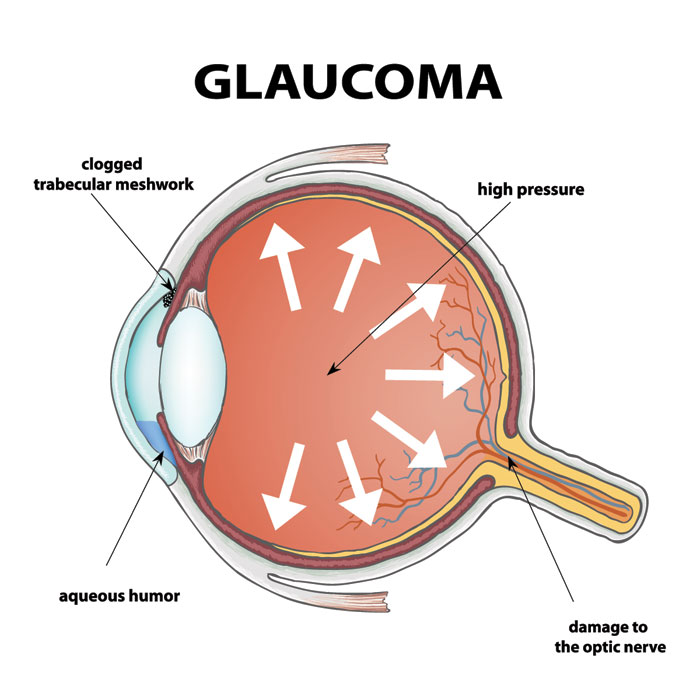
According to the National Eye Institute, glaucoma damages the optic nerve, the cable that carries visual signals from your eye to your brain. Once those nerve fibers die, they don’t regenerate on their own, so vision already lost to glaucoma cannot currently be restored.
That’s the medical reason a “cure” doesn’t exist yet. You can’t reverse damage to cells that don’t grow back, at least not with treatments available today. Researchers are actively working on that exact problem, more on that below.
What “treatable” actually means in practice
Here’s where the picture brightens considerably. Glaucoma is one of the most manageable serious eye conditions when it’s caught early, and most patients keep functional vision for life with consistent treatment.
Treatment options already available include daily prescription eye drops, oral medication, laser procedures like selective laser trabeculoplasty, and minimally invasive glaucoma surgery, known in the field as MIGS. All of them work toward the same goal: lowering the pressure inside the eye so the optic nerve stops losing fibers.
The single biggest factor in whether someone keeps their vision isn’t which treatment they get, it’s how early they start. Damage that’s already happened stays permanent, but damage that hasn’t happened yet can often be prevented entirely.
The type most people are actually asking about
Open-angle glaucoma is the most common form, and it’s also the one with the least obvious symptoms. Peripheral vision fades first, so slowly that most people don’t notice until a significant portion is already gone.
This is the type behind glaucoma’s nickname, the “silent thief of sight.” There’s no eye pain, no redness, no blurry vision in the early stages, just a slow narrowing of your field of view that your brain quietly compensates for until it can’t anymore.
What’s actually happening in research right now
This part is genuinely encouraging. The Glaucoma Research Foundation’s Catalyst for a Cure teams met in January 2026 to present findings on how retinal ganglion cells die, research that’s aimed directly at eventually slowing or even reversing vision loss rather than just managing pressure.
Separately, scientists are studying stem cell approaches for regenerating the trabecular meshwork, the eye’s natural drainage system, and other teams are working on optic nerve regeneration itself. None of this is available in a clinic yet, researchers are clear that it’s still early-stage work, but it represents a real shift from “manage the pressure forever” toward “someday, repair the damage.”
What to actually do with this information
If you’re over 40, have a family history of glaucoma, have diabetes, or have high myopia, you’re in a higher-risk group, and a comprehensive eye exam is the one action that actually changes your outcome. Not eye drops you buy over the counter, not vitamins, an actual dilated eye exam with an ophthalmologist who checks your eye pressure and optic nerve directly.
If it’s been more than a year since your last full eye exam, that’s the practical next step, not tomorrow, not next month. Early-stage glaucoma caught during a routine exam can often be controlled before you ever notice a change in your vision.
What to watch for next
Keep an eye on developments from stem cell trials targeting the trabecular meshwork and optic nerve regeneration studies over the next few years, since those are the research paths most likely to eventually turn “manageable” into something closer to “reversible.” Until then, the honest, current answer stands: glaucoma isn’t curable, but with an early diagnosis and consistent treatment, it’s one of the most controllable threats to your eyesight that exists.
Disclaimer: general information lang ito, hindi pamalit sa konsultasyon ng ophthalmologist.