Ambient temperature and eye pressure in glaucoma patients
Research reveals how winter weather impacts intraocular pressure in those managing glaucoma with medication.
glaucoma eye pressure temperature
How Cold Weather Affects Your Eyes When You Have Glaucoma
If you live somewhere with cold winters and you’ve been diagnosed with glaucoma, you may have noticed that your eye pressure seems to fluctuate with the seasons. A growing body of research suggests this observation might not be coincidental. Recent findings published in the British Journal of Ophthalmology indicate that lower ambient temperatures may actually be associated with increases in intraocular pressure—the hallmark risk factor in glaucoma.
Understanding this connection could help you and your eye care team better manage your condition year-round, especially during colder months when eye pressure may become more difficult to control.
What the Research Shows About Temperature and Eye Pressure
Researchers from a Japanese university hospital examined medical records from 77 patients with primary open-angle glaucoma—the most common form of the disease—treated between January 2012 and December 2023. The study included only patients aged over 40 who had not undergone eye surgery and attended clinic appointments at least three times per year for a minimum of three years.
The analysis covered 2,655 intraocular pressure measurements taken from 154 eyes. Patients were monitored for an average of around 5 years, and researchers cross-referenced their eye pressure readings with precise climatic data obtained from the Japan Meteorological Agency, including air temperature, humidity, wind speed, precipitation, and sunlight duration.
The key finding was striking: a decrease in ambient temperature of 35°C was associated with a 1 mmHg increase in intraocular pressure. While this may sound modest, even small sustained increases in eye pressure can accelerate optic nerve damage in people with glaucoma, making temperature-related fluctuations clinically significant.
Who Is Most Vulnerable to Temperature-Related Pressure Changes
Not all glaucoma patients appear equally affected by cold weather. The research revealed an important distinction: air temperature was significantly linked to intraocular pressure primarily in patients who had severe glaucoma or who were using multiple eye drops.
Patients with mild glaucoma or those requiring only a single antiglaucoma eye drop did not show the same temperature-related pressure changes. This suggests that disease severity plays a role in how responsive your eye pressure becomes to environmental factors. If your glaucoma is more advanced, paying attention to seasonal temperature changes becomes especially important.
How Glaucoma Develops and Why Pressure Matters
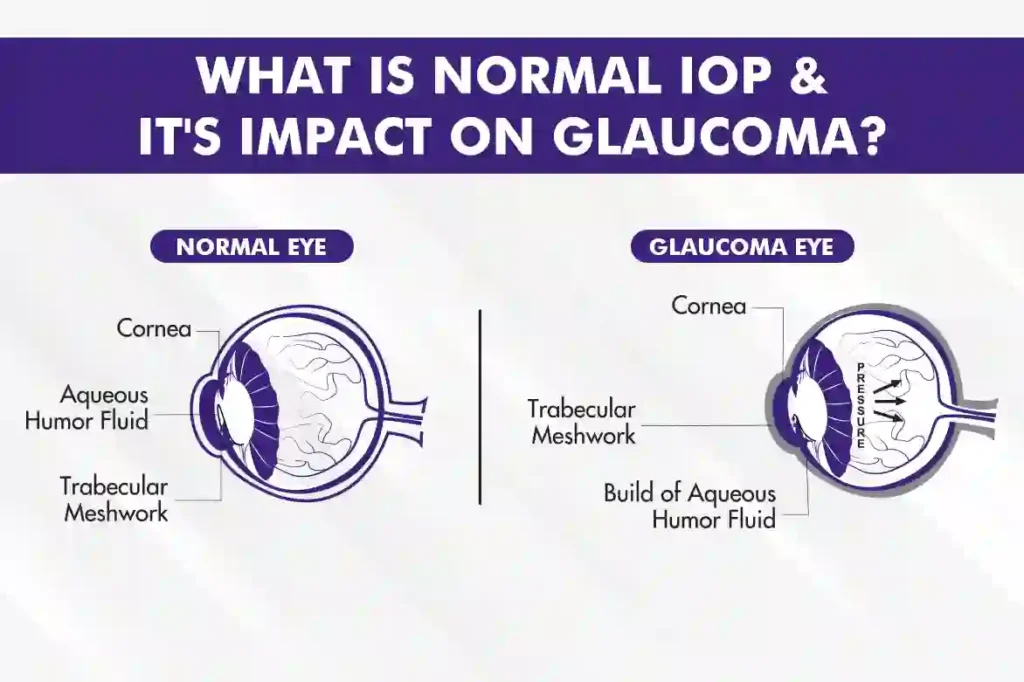
Glaucoma typically develops when fluid inside the eye—called aqueous humor—builds up, raising intraocular pressure. This elevated pressure damages the optic nerve, which transmits visual information from your eye to your brain. Without early diagnosis and treatment, glaucoma can cause progressive vision loss and eventually blindness.
A healthy eye maintains intraocular pressure between 10 and 20 mmHg. However, many people with glaucoma require pressure to be maintained below this range to prevent nerve damage. Any factor that pushes pressure higher—including cold temperatures—can complicate treatment goals.
Glaucoma is most common in adults over 50, though it can develop at any age. Many people don’t realize they have it until significant optic nerve damage has already occurred, which is why regular eye pressure screening becomes especially critical if you’re over 40 or have family risk factors.
Why Does Cold Temperature Increase Eye Pressure
The exact mechanism behind temperature-related intraocular pressure changes isn’t fully understood, but researchers believe cold exposure may affect blood vessel behavior in the eye. Lower temperatures can cause blood vessels to constrict, potentially altering fluid dynamics inside the eye and affecting how effectively aqueous humor drains.
Cold air may also trigger systemic changes—like increased blood pressure—that indirectly influence intraocular pressure. The study itself confirmed that higher blood pressure was linked to higher intraocular pressure, suggesting a broader physiological connection between temperature exposure and eye hemodynamics.
Study Limitations and What They Mean for You
While this research provides valuable insights, the study had important limitations worth understanding. First, it was observational rather than experimental, meaning researchers tracked naturally occurring temperature and pressure changes rather than deliberately exposing patients to cold conditions in a controlled setting. Observational studies can show associations but cannot definitively prove that cold temperature causes pressure increases.
Second, the study didn’t account for certain lifestyle factors that could influence results, including exercise levels and obesity status. It also excluded patients whose glaucoma was poorly controlled on medication, meaning the findings apply specifically to people whose eye pressure is already stable under treatment.
Third, all participants were drawn from a single Japanese hospital over a specific time period, so findings may not directly apply to people in different climates or geographic regions with different seasonal temperature ranges.
Treatment Considerations During Cold Months
The research team concluded that “the relationship between intraocular pressure and ambient temperature in patients with stable primary open-angle glaucoma under medical treatment should be considered in a comprehensive treatment strategy.” This suggests that eye care providers should factor seasonal temperature variations into their monitoring and management plans.
If you have glaucoma, especially severe glaucoma requiring multiple medications, discuss seasonal patterns with your ophthalmologist. Some patients might benefit from more frequent pressure checks during winter months, or slight adjustments to their antiglaucoma eye drop regimen during colder seasons.
All participants in this study were using one to four antiglaucoma eye drops daily without any medication changes during the monitoring period. If temperature-related pressure spikes occur in your case, your eye doctor may recommend intensifying your current regimen temporarily rather than switching medications entirely.
What You Should Monitor at Home
While intraocular pressure itself cannot be measured at home—it requires specialized equipment like applanation tonometry in a clinic setting—you can track symptoms that might suggest pressure elevation. These include eye discomfort, blurred vision, halos around lights, or headaches, though it’s important to note that glaucoma often causes no symptoms at all.
The most reliable way to detect pressure changes remains regular clinic appointments. If you have glaucoma, attend all scheduled eye appointments, but consider requesting additional checks during winter months or after extended cold exposure if you notice any changes in how your eyes feel.
When to Contact Your Eye Care Provider
Seek immediate medical attention if you experience sudden vision loss, severe eye pain, persistent redness, or halos around lights—these could indicate acute angle-closure glaucoma or other emergencies requiring urgent treatment.
For non-emergency concerns, schedule an appointment with your ophthalmologist if you notice patterns in your symptoms tied to seasonal changes, or if your routine pressure checks show unexplained increases during winter months. Your doctor can review your medications and determine whether adjustments might help you maintain better pressure control year-round.
If you haven’t been diagnosed with glaucoma but have risk factors—including age over 50, family history, high blood pressure, or certain ethnic backgrounds—prioritize regular eye screenings with pressure measurement even in the absence of symptoms.
Looking Ahead: What Future Research Might Reveal
The research team notes that further studies involving larger patient groups are needed to clarify whether air temperature influences intraocular pressure in people with mild glaucoma or in those using single-drop therapy. Such research could help refine recommendations for different patient populations and different severity levels.
In the meantime, awareness of this temperature connection gives both patients and clinicians another tool for optimizing glaucoma management. By recognizing that seasonal factors play a role in eye pressure control, you and your eye care team can work together to maintain more consistent pressure readings and better protect your vision long-term.