Hisgade Secures Investment for Advanced Glaucoma Treatment
Hisgade raises funding to advance its innovative microstent technology designed to treat glaucoma, a leading cause of irreversible vision loss worldwide.
Glaucoma microstent funding
Understanding Glaucoma and Why Innovation Matters
Glaucoma affects millions of people globally, yet many don’t realize they have it until significant vision loss has already occurred. The disease develops when fluid pressure inside the eye rises to levels that damage the optic nerve, the crucial structure responsible for transmitting visual information to the brain. Unlike some eye conditions, glaucoma damage is permanent and cannot be reversed, making early detection and effective treatment essential.
The challenge with glaucoma lies in its often silent progression. Many people experience no symptoms in the early stages, which is why regular eye exams are so important for catching the condition before substantial harm occurs. Doctors typically use tonometry to measure eye pressure and gonioscopy to examine the drainage angle of the eye—two key diagnostic tools that help identify glaucoma risk.
Traditional glaucoma treatments focus on lowering eye pressure through medication, laser procedures, or conventional surgery. However, not all patients respond equally well to these approaches, and some experience side effects or need additional interventions over time. This is where newer technologies, like microstents, are making a meaningful difference in how eye specialists manage the condition.
What Is a Microstent and How Does It Work?
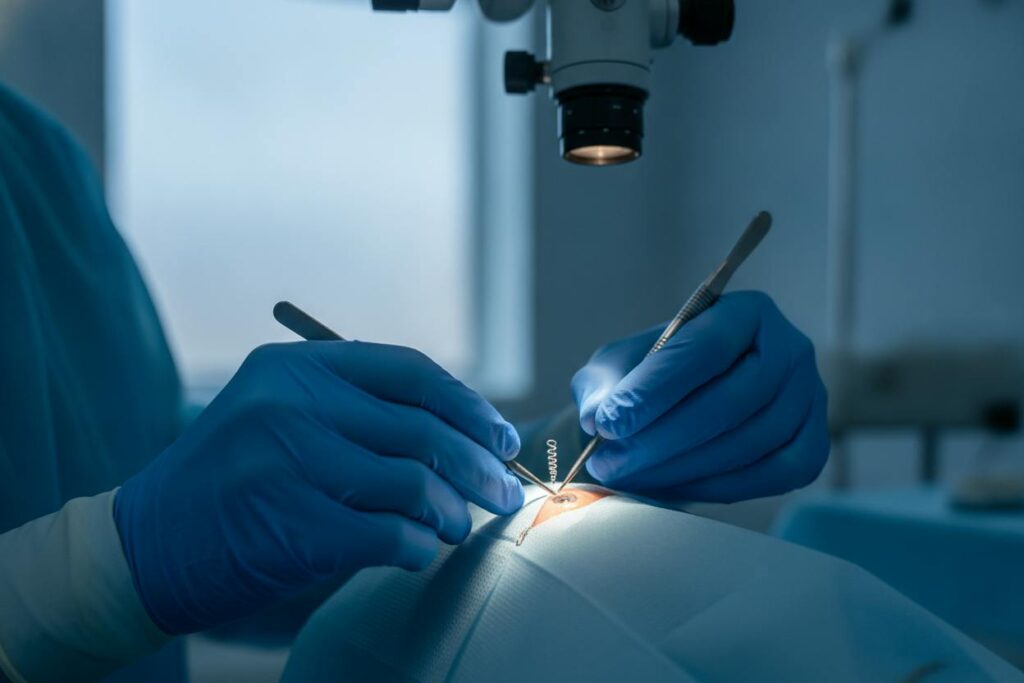
A microstent is a tiny tube, often barely visible to the naked eye, designed to improve fluid drainage from inside the eye. By creating a more direct pathway for fluid to exit the eye chamber, microstents help reduce intraocular pressure—the primary driver of optic nerve damage in glaucoma. The procedure to implant a microstent is minimally invasive compared to traditional glaucoma surgery, which means shorter recovery times and less tissue disruption.
The appeal of microstent technology lies in its precision and efficiency. Rather than relying solely on eye drops or major surgical intervention, microstents offer a middle-ground approach that can be particularly helpful for patients whose eye pressure isn’t adequately controlled with medication alone. Some patients benefit from combining microstent implantation with cataract surgery, if they need both procedures.
Different microstent designs exist, each with specific indications and drainage pathways. Some are positioned to drain fluid into the supraciliary space, while others target the subconjunctival space or work through other anatomical routes. This variety allows surgeons to select the most appropriate option based on individual patient anatomy and glaucoma type.
Hisgade’s Role in Advancing Glaucoma Care
Hisgade has emerged as a developer of microstent technology aimed at improving outcomes for glaucoma patients. The company’s work represents part of a broader shift in ophthalmology toward minimally invasive glaucoma surgery (MIGS)—procedures that offer efficacy with reduced trauma compared to traditional approaches. By securing new funding, Hisgade is positioned to accelerate research, development, and commercialization of its technology.
Investment in companies like Hisgade reflects growing confidence in the microstent approach within the medical and investment communities. As more clinical data accumulates showing the safety and effectiveness of these devices, interest from investors, healthcare providers, and patients continues to expand. The funding round enables the company to move forward with clinical trials, regulatory submissions, and market expansion efforts.
Access to capital also allows Hisgade to invest in talent, infrastructure, and partnerships that strengthen its competitive position. In the medical device industry, bringing an innovation from concept to patient care requires sustained investment across multiple years and stages of development.
The Growing MIGS Market and Patient Need
The minimally invasive glaucoma surgery market has experienced significant growth over the past decade. Patients and doctors increasingly prefer procedures that reduce recovery time, minimize complications, and maintain or improve quality of life. As glaucoma prevalence continues to rise—particularly in aging populations—the demand for effective, less invasive treatment options becomes more pressing.
Glaucoma screening remains inadequate in many regions, meaning diagnosis often occurs after irreversible damage has already happened. Those already diagnosed face the challenge of long-term pressure management, often requiring multiple medications or interventions throughout their lives. Microstents represent one tool in a growing toolkit that allows eye specialists to customize treatment plans to individual patient needs.
The economic impact of glaucoma is substantial when considering lost productivity, healthcare costs, and the burden of managing chronic eye disease. Treatments that reduce the need for daily medications while maintaining or improving vision outcomes deliver value to patients, healthcare systems, and society.
What Glaucoma Patients Should Know
If you have been diagnosed with glaucoma or suspect you may be at risk, understanding your treatment options is important. Risk factors include family history of glaucoma, elevated eye pressure, age over 60, certain ethnic backgrounds (African descent populations have higher glaucoma risk), and conditions like diabetes or high blood pressure. Those with any of these risk factors should have regular eye exams that include pressure measurement and optic nerve assessment.
Current treatment typically begins with eye drops designed to lower intraocular pressure. If drops alone don’t achieve target pressure levels, doctors may recommend laser treatment, conventional surgery, or newer approaches like microstent implantation. The choice depends on your specific type of glaucoma, the degree of pressure elevation, your age, overall health, and other individual factors.
Microstent procedures are generally performed by glaucoma specialists in an outpatient setting. Recovery is usually quicker than traditional glaucoma surgery, with most patients returning to normal activities within days to a couple of weeks. Like any medical procedure, microstent implantation carries some risks and isn’t appropriate for every patient, which is why a thorough evaluation with an eye specialist is essential.
When to See an Eye Specialist
Schedule an appointment with an ophthalmologist if you experience sudden vision changes, eye pain, halos around lights, or persistent redness. These symptoms can indicate acute glaucoma or other serious eye conditions requiring urgent evaluation. Even without symptoms, regular screening is vital—glaucoma often progresses silently, so routine eye exams are your best defense against vision loss.
If you’ve already been diagnosed with glaucoma, follow your doctor’s treatment plan closely and attend all scheduled follow-up visits. Monitoring your eye pressure regularly and reporting any changes in vision helps your eye specialist adjust your treatment as needed. Innovations like microstent technology expand the options available to you, but only an eye specialist can determine whether such an approach is appropriate for your specific situation.
Looking Forward
The funding secured by Hisgade represents an investment in the future of glaucoma care. As technology advances and more clinical evidence accumulates, patients will have access to an increasingly diverse range of treatment options tailored to their individual needs. Whether you’re newly diagnosed with glaucoma or managing the condition long-term, staying informed about emerging treatments and maintaining regular eye care are essential steps in protecting your vision for years to come.