One drop before bed, every single night, for the rest of your life
That’s the routine a lot of Filipino glaucoma patients get handed after their diagnosis, and the bottle they walk out of the clinic with is usually Xalatan. It’s one of the most prescribed glaucoma medications in the country, and also one of the most misunderstood.
If your ophthalmologist just wrote “Xalatan” on your prescription pad, here’s what’s actually in that bottle and why the timing matters more than most patients realize.
What Xalatan actually is
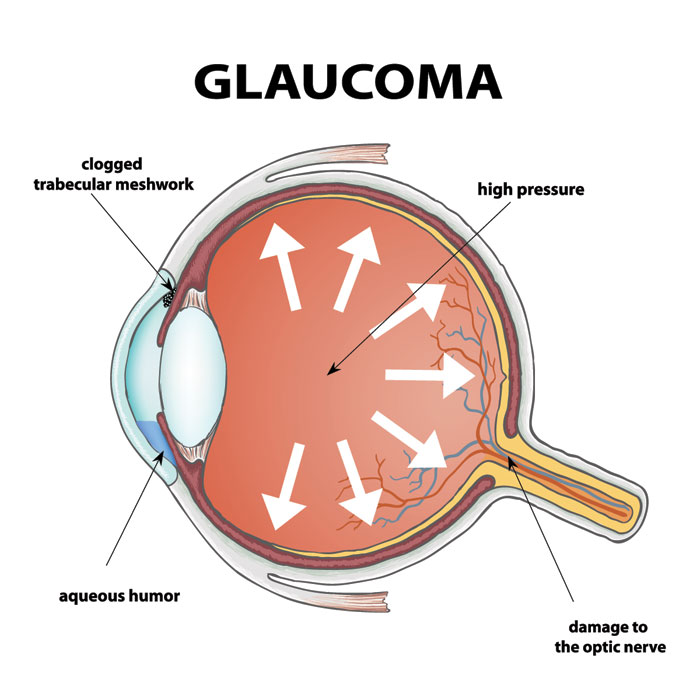
Xalatan is the brand name for latanoprost, a prostaglandin analogue used specifically to lower intraocular pressure, the fluid pressure inside your eye that damages the optic nerve when it stays too high. It’s prescribed for open-angle glaucoma and ocular hypertension, the two most common reasons doctors need to bring eye pressure down.
Each milliliter contains 50 micrograms of latanoprost, and the mechanism is straightforward: it helps fluid drain out of the eye more efficiently through what’s called the uveoscleral outflow pathway, instead of building up and pressing on the optic nerve.
Why the evening dosing instruction isn’t optional
Xalatan is meant to go in once a day, and specifically in the evening for the best effect. That’s not a minor suggestion buried in the packaging, it’s central to how the medication works.
Using it more than once a day doesn’t make it work better, it can actually make it work worse. Prescribing information for the drug notes that more frequent dosing can decrease the pressure-lowering effect or, in some cases, cause the pressure to rise instead. One drop, one eye or both as prescribed, once every evening, is the entire routine.
The pressure-lowering effect starts roughly 3 to 4 hours after you put the drop in, and reaches its maximum somewhere between 8 and 12 hours later, which is part of why evening dosing lines up well with protecting the eye overnight.
The side effect that surprises most patients
Here’s the one nobody warns you about clearly enough: Xalatan can gradually darken the color of your iris, especially in eyes that are hazel or mixed-colored to begin with. The change happens slowly, spreading from around the pupil outward, and it’s caused by increased melanin, not by damage to the eye itself.
It can also make your eyelashes noticeably longer and thicker, and may darken the skin of your eyelids. The color changes to the iris are typically permanent even after stopping the drops, while the eyelash and eyelid changes tend to fade once you discontinue treatment.
What it costs in the Philippines right now
A 2.5mL bottle of branded Xalatan runs around ₱1,686 at local pharmacies like Southstar Drug, and it requires a doctor’s prescription to purchase. That single bottle is meant to last about a month at one drop nightly, assuming no spillage or wasted drops.
A Philippine Journal of Ophthalmology study on the cost of glaucoma therapy found that innovator-brand prostaglandin analogues in this category can run patients thousands of pesos a year, and for someone earning minimum wage, the annual cost of topical glaucoma therapy can eat up a meaningful chunk of their income depending on which drugs and combinations they need.
If cost is a barrier, ask your ophthalmologist directly about generic latanoprost instead of the branded Xalatan. Generic versions contain the same active ingredient at typically lower cost, and your doctor can tell you whether a generic switch makes sense for your specific case.
Using it correctly, drop by drop
If you’re on more than one type of eye drop, space Xalatan and any other eye medication at least five minutes apart so one doesn’t wash out the other before it’s absorbed. Once you open the bottle, it needs to be used within four weeks, after that it should be discarded even if drops remain.
Missing a dose doesn’t mean doubling up the next time. If you forget an evening, the guidance is simple: just continue with your normal one-drop schedule the next day rather than trying to make up for it.
What happens if you stop
Xalatan doesn’t cure glaucoma, and it doesn’t provide any lasting protection once you stop using it. The moment you discontinue the drops, eye pressure typically climbs back to where it was before, which means skipping doses or stopping without your ophthalmologist’s guidance puts your vision back at risk almost immediately.
If side effects are bothering you, blurred vision after application, eye irritation, or the iris color change, the right move is a conversation with your ophthalmologist about alternatives, not quietly stopping the drops on your own.
Disclaimer: Hindi ito pamalit sa payo ng doktor, at kumonsulta muna bago mag-adjust ng dosage o switch ng gamot.