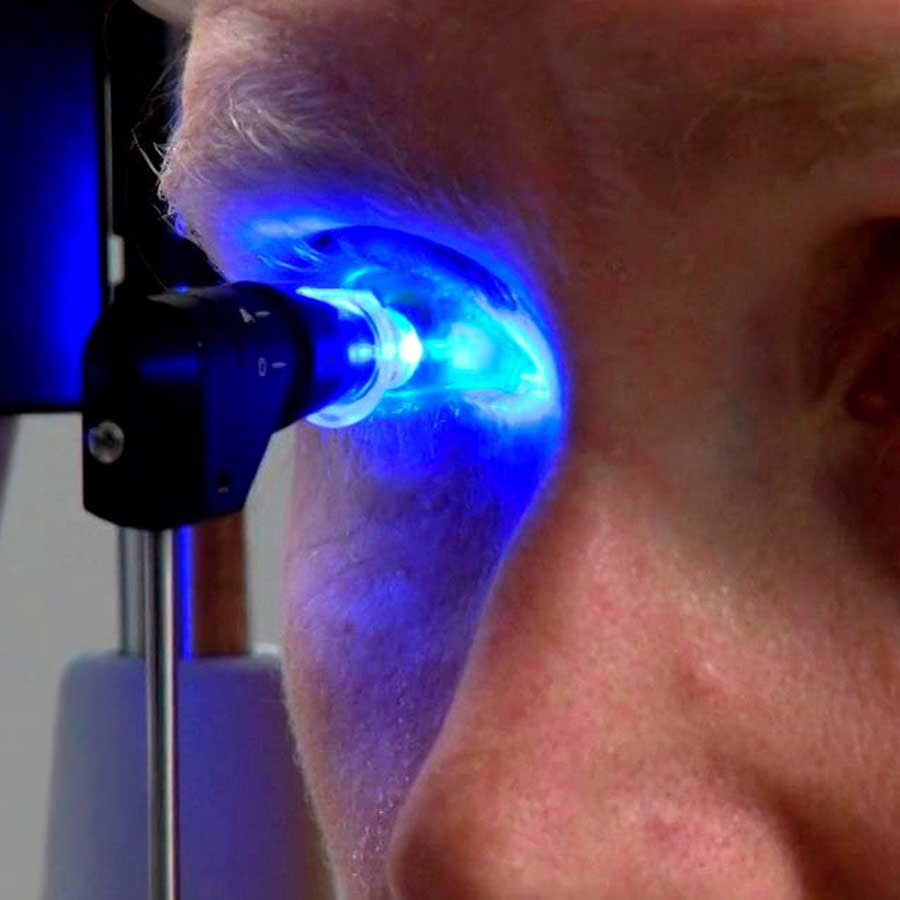
Laser Treatment for Glaucoma: 2025 Guide
Glaucoma can damage your vision quietly and permanently.
Laser eye surgery is one of the treatments that can help slow or stop this damage.
If you or someone you know has glaucoma, understanding laser treatment options can help you make informed decisions.
What is Laser Surgery for Glaucoma?
Laser surgery for glaucoma uses focused light to improve fluid drainage in the eye.
By lowering eye pressure, it reduces the risk of vision loss.
Unlike traditional surgery, laser procedures are less invasive and can often be done in an outpatient setting.
Types of Laser Treatments
Different laser surgeries target different parts of the eye.
1. Laser Trabeculoplasty
Common for open-angle glaucoma.
The laser improves drainage through the trabecular meshwork.
Often performed when eye drops do not control pressure well.
2. Laser Iridotomy
Used for angle-closure glaucoma.
Creates a small hole in the iris to improve fluid flow.
Can prevent sudden pressure spikes that cause severe pain and vision damage.
3. Cyclophotocoagulation
Targets the ciliary body, which produces eye fluid.
Reduces fluid production to lower pressure.
Usually considered for advanced or difficult cases.
Who Should Consider Laser Surgery?
You may be a candidate if:
Eye drops or oral medications are not enough.
You experience side effects from glaucoma drugs.
You want a treatment with fewer daily management requirements.
Your doctor recommends it as a first-line option for certain types of glaucoma.
Benefits of Laser Surgery
Quick procedure, often under 30 minutes.
Usually done in a clinic without hospital admission.
Minimal recovery time compared to traditional surgery.
Reduces or eliminates the need for daily eye drops.
Can be repeated if necessary.
Risks and Side Effects
Laser treatment is generally safe, but there are possible risks.
Temporary eye redness or discomfort.
Short-term rise in eye pressure after treatment.
Need for follow-up procedures if pressure rises again.
In rare cases, vision changes or inflammation.
Always ask your eye doctor about the risks specific to your condition.
Recovery After Laser Surgery
Most patients recover quickly.
You may return to normal activities within a day.
Eye drops may be prescribed to reduce inflammation.
Follow-up visits are required to monitor eye pressure.
Your doctor may still recommend continuing medications, depending on results.
Success Rates
Laser surgery is effective, but results vary.
Many patients see a significant drop in eye pressure.
Some patients still need medications, though fewer or in lower doses.
Success rates depend on glaucoma type, stage, and overall eye health.
Comparing Laser Surgery with Other Treatments
| Treatment Option | Pros | Cons |
|---|---|---|
| Eye Drops | Easy to use at home, first-line treatment | Requires daily use, side effects, patient compliance issues |
| Laser Surgery | Quick, outpatient, less invasive | May need repeat treatments, variable success |
| Traditional Surgery (Trabeculectomy) | Strong pressure-lowering effect | Higher risk, longer recovery |
Detailed guide on Philippines glaucoma surgery pricing available here.
Cost of Laser Surgery in the Philippines
Costs vary depending on:
Type of procedure
Hospital or clinic setting
Surgeon’s experience
Health insurance coverage
On average, expect a range of ₱20,000 to ₱60,000 per eye.
Some insurance providers cover part or all of the expenses.
Always confirm with your insurance provider before scheduling the procedure.
Questions to Ask Your Doctor
Which laser treatment is best for my type of glaucoma?
How much pressure reduction should I expect?
Will I still need medications afterward?
How often should I return for follow-up?
What are the risks in my case?
Asking these questions can help you feel confident about your decision.
Practical Tips Before and After Surgery
Arrange for someone to accompany you to the clinic.
Do not drive right after the procedure.
Use prescribed drops exactly as directed.
Attend all follow-up appointments.
Report unusual pain, vision changes, or swelling immediately.
Why Consider Laser Surgery Early?
Early intervention can protect your vision for years to come.
Glaucoma damage cannot be reversed, but lowering pressure helps preserve what remains.
If you qualify for laser treatment, starting earlier may mean fewer medications and better long-term results.
Final Thoughts
Laser surgery is an important option for glaucoma patients.
It offers a balance between convenience, safety, and effectiveness.
If you are struggling with eye drops or worried about surgery risks, discuss laser treatment with your ophthalmologist.
Protecting your vision starts with making informed choices today.