Glaucoma Surgery Cost in the Philippines: 2026 Price Guide
Glaucoma is one of the leading causes of permanent blindness in the Philippines.
Thousands of Filipinos are diagnosed every year — and many delay treatment because they don’t know what it costs or where to go.
This guide breaks down the real numbers.
What Is Glaucoma Surgery?
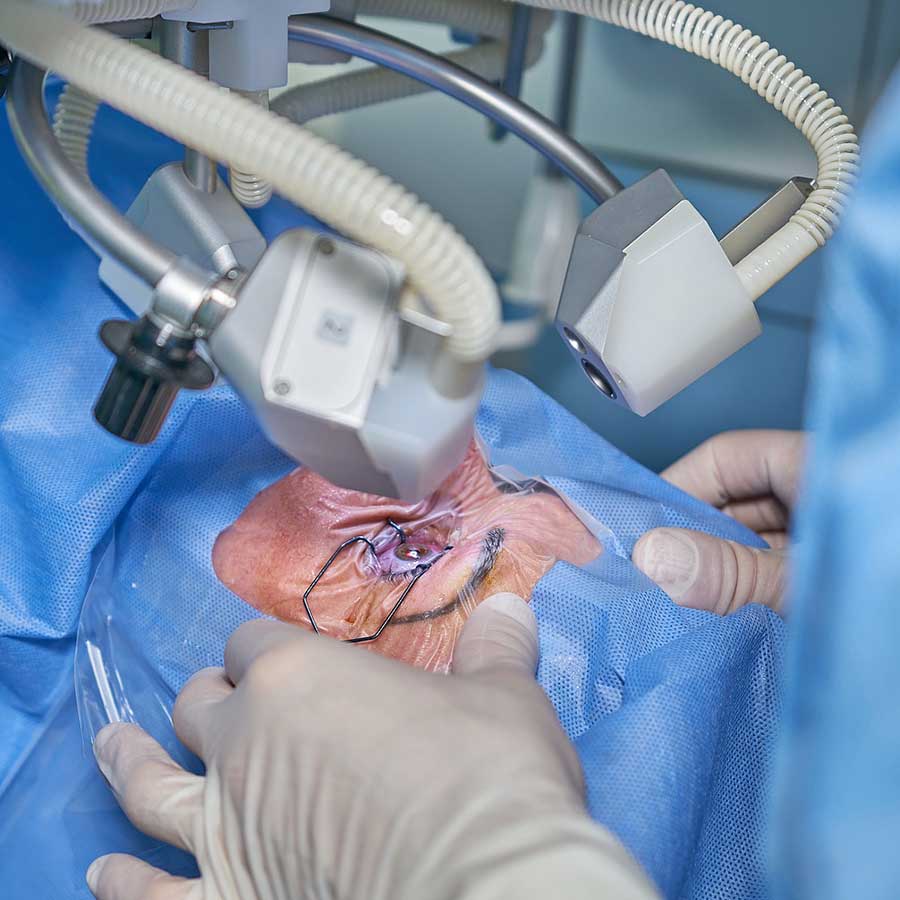
Glaucoma surgery lowers the pressure inside your eye (called intraocular pressure or IOP).
When eye drops and laser treatments stop working, surgery becomes the next step.
Your doctor will typically recommend surgery when:
- Eye drops fail to control your eye pressure
- Laser treatment has not worked
- Your vision is at risk of getting worse fast
There are four main types of glaucoma surgery done in the Philippines:
Trabeculectomy — A small drainage channel is created to release fluid from the eye. This is the most common surgical option.
Glaucoma Drainage Implant — A tiny tube or shunt is placed in the eye to redirect fluid. Used for more complex cases.
MIGS (Minimally Invasive Glaucoma Surgery) — A newer, less invasive option. Often done alongside cataract surgery.
Laser Therapy (ALT or SLT) — Uses light energy to open drainage pathways. Less invasive than traditional surgery.
The right choice depends on how advanced your glaucoma is and what your ophthalmologist recommends.
How Much Does Glaucoma Surgery Cost in the Philippines?
Prices vary depending on the procedure, hospital, and surgeon.
Here are the updated 2026 estimates:
Consultation fee: ₱700 – ₱1,500
Trabeculectomy: ₱60,000 – ₱120,000
Glaucoma Drainage Implant: ₱80,000 – ₱150,000
MIGS: ₱100,000 – ₱180,000
Laser Therapy (ALT/SLT): ₱15,000 – ₱40,000 per session
For reference, international estimates put glaucoma surgery at $1,500 – $2,500 (roughly ₱85,000 – ₱140,000), which lines up with Philippine private hospital rates.
What Affects the Final Cost?
Do not look at surgery price alone. Several things change the total amount you will pay:
Type of procedure — Trabeculectomy is cheaper than MIGS or implant surgery.
Hospital location — Private hospitals in Metro Manila charge more than those in the provinces.
Surgeon’s experience — A glaucoma subspecialist typically charges higher fees than a general ophthalmologist.
Equipment and implants — Some procedures require imported devices that add to the cost.
Hospital stay — Some surgeries are outpatient. Others require one to two days of admission.
Post-operative care — Follow-up visits and eye drops can add ₱5,000 – ₱20,000 over several months.
Full Cost Breakdown
Budget for more than just the surgery fee.
Before surgery:
- Consultation
- Visual field exam
- OCT imaging
- Laboratory tests
During surgery:
- Surgeon’s fee
- Anesthesiologist fee
- Operating room charges
After surgery:
- Prescription eye drops
- Follow-up visits (usually 3 to 5 visits in the first few months)
- Possible additional procedures
A complete glaucoma treatment episode — from diagnosis to post-op — can range from ₱80,000 to ₱200,000 depending on your case.
Government vs. Private Hospitals: Which Should You Choose?
Government hospitals such as Philippine General Hospital (PGH) and East Avenue Medical Center offer significantly lower costs. Some procedures may even be free for qualified patients. The trade-off is longer waiting times and limited appointment slots.
Private hospitals such as St. Luke’s Medical Center, Makati Medical Center, and The Medical City provide faster service and access to advanced equipment. Costs are higher but the experience is more comfortable.
Specialized eye centers such as Asian Eye Institute and American Eye Center focus entirely on eye care. They offer glaucoma subspecialists and modern technology at mid- to high-range prices.
If cost is your main concern, start with a government hospital consult. If you want faster access and subspecialist care, a private eye center is worth the extra expense.
How to Pay for Glaucoma Surgery
PhilHealth — Covers a portion of glaucoma surgery costs under specific case rates. You need to be an active member and the hospital must be PhilHealth-accredited. Coverage is partial, not full.
Private health insurance — Some policies cover eye surgery. Check your policy’s coverage limits before scheduling anything.
Hospital payment plans — Many private hospitals offer installment payment options, including credit card plans with 0% interest.
Government and NGO assistance — Programs from the Department of Social Welfare and Development (DSWD), Philippine Charity Sweepstakes Office (PCSO), and local government units (LGUs) can help cover costs for low-income patients. See our guide on government programs for glaucoma patients in the Philippines for a full list.
How to Choose the Right Doctor and Clinic
Not all ophthalmologists specialize in glaucoma. Here is what to look for:
- A board-certified ophthalmologist with glaucoma subspecialty training
- A clinic or hospital accredited by PhilSHIC or PhilHealth
- Clear and upfront pricing — ask for a written estimate
- Availability of post-operative follow-up care
- Patient reviews or referrals from other glaucoma patients
You can find accredited glaucoma specialists through the Philippine Glaucoma Society (PGS) or the Philippine Academy of Ophthalmology (PAO). Both organizations maintain directories of qualified doctors across the country.
For a city-by-city list, read our article on the top ophthalmologists for glaucoma in the Philippines.
FAQ: Glaucoma Surgery in the Philippines
Is glaucoma surgery painful? Most procedures are done under local anesthesia. You may feel slight pressure during the operation, but not pain. Mild discomfort is normal for a few days after surgery.
How long does recovery take? Initial recovery takes one to two weeks. Full healing can take three to six months depending on the procedure.
Can glaucoma surgery restore my vision? No. Surgery controls eye pressure and slows vision loss. It does not restore sight that has already been lost. This is why early treatment matters.
Is surgery always necessary? Not always. Surgery is considered after medications and laser treatments have failed or are not enough to control pressure.
Does PhilHealth cover glaucoma surgery? Yes, partially. The amount depends on the procedure type and the hospital’s PhilHealth accreditation status. Confirm coverage with your hospital’s billing department before surgery.
What happens if I don’t treat glaucoma? Untreated glaucoma causes permanent nerve damage. Over time, this leads to tunnel vision and eventually complete blindness. Early treatment is the only way to prevent this.
How do I know if I need surgery or just eye drops? Your ophthalmologist will decide based on your current eye pressure readings, optic nerve condition, and how well you respond to medication. Regular check-ups are necessary to monitor your condition.
Most patients in the Philippines spend between ₱60,000 and ₱150,000 for glaucoma surgery, excluding follow-up care and medication.
The earlier you catch glaucoma, the more affordable treatment tends to be. Eye drops cost far less than surgery.
If you have not had an eye pressure check recently, schedule one. It takes less than five minutes and could protect your vision for life.