The landscape of vision care is on the cusp of a monumental transformation. According to recent market analysis, the global ophthalmic therapeutics market is projected to surge, reaching a staggering valuation of $48.3 billion by the year 2034. This explosive growth underscores a critical global shift: the increasing prevalence of eye diseases and a corresponding, rapid advancement in treatment modalities. We are moving beyond traditional eye drops into an era of biologic drugs, sophisticated drug delivery systems, and personalized medicine, all aimed at preserving and restoring the precious gift of sight for millions.
This isn’t just a statistic; it’s a reflection of a world where an aging population, changing lifestyles, and greater diagnostic capabilities are converging to create an unprecedented demand for effective eye care solutions. From common conditions like dry eye to complex retinal diseases, the pharmaceutical and biotech industries are rising to the challenge, fueling a market poised for remarkable expansion over the next decade.
The Driving Forces Behind the Market Surge
Several key factors are acting as powerful catalysts, propelling the ophthalmic therapeutics market on its upward trajectory. Understanding these drivers provides a clearer picture of the future of eye care.
A Growing and Aging Global Population
The most significant driver is the demographic shift towards an older global population. Age is a primary risk factor for a host of vision-threatening conditions. As life expectancy increases, so does the prevalence of:
- Age-related Macular Degeneration (AMD): A leading cause of vision loss in people over 50, affecting the central retina.
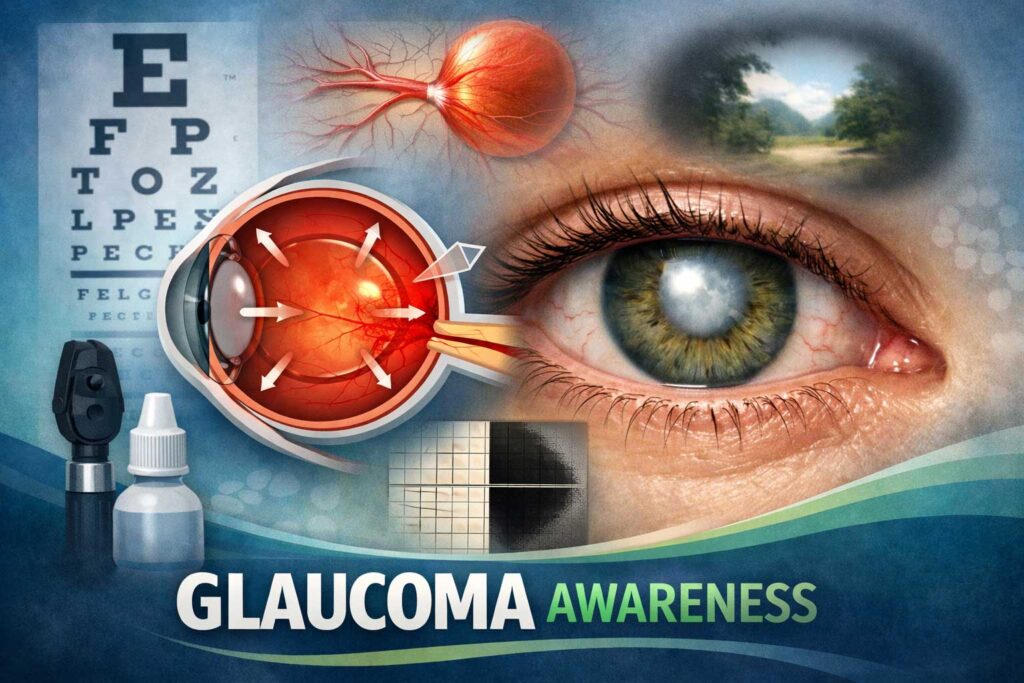
- Glaucoma: A group of diseases that damage the optic nerve, often associated with elevated intraocular pressure.
- Diabetic Retinopathy: A serious complication of diabetes that affects the blood vessels in the retina.
- Cataracts: While surgically treatable, the high volume of cases continues to drive demand for pre- and post-operative therapeutics.
Rising Prevalence of Chronic Diseases
The global increase in chronic conditions, particularly diabetes and hypertension, is having a direct impact on ocular health. Diabetic retinopathy, for instance, is a major concern, with a significant portion of the diabetic population at risk. This creates a sustained and growing need for therapeutic interventions to prevent and manage vision loss associated with these systemic diseases.
Technological and Pharmaceutical Innovation
The market is being revolutionized by a wave of innovation that is making treatments more effective, longer-lasting, and less invasive. Key advancements include:
- Biologics and Anti-VEGF Therapies: These drugs, often administered via intravitreal injections, have become the gold standard for treating wet AMD, diabetic macular edema, and other retinal vascular diseases. They work by inhibiting vascular endothelial growth factor (VEGF), a protein that promotes abnormal blood vessel growth and leakage.
- Sustained-Release Drug Delivery Systems: A major focus of R&D is on developing implants and inserts that can release medication over several months or even years. This technology promises to improve patient compliance and reduce the treatment burden associated with frequent eye injections or daily drops.
- Gene Therapies: While still emerging, gene therapies hold immense potential for treating inherited retinal diseases, such as Leber congenital amaurosis, by addressing the underlying genetic cause of the condition.
- Novel Formulations for Dry Eye Disease: The lucrative dry eye market continues to see new anti-inflammatory formulations and lubricants that offer better symptom relief and address the root causes of the disease.
Market Segmentation: Where is the Growth Concentrated?
The ophthalmic therapeutics market is diverse, with growth occurring across several key segments.
By Disease Indication
The market is dominated by a few key therapeutic areas. The retinal disorders segment, particularly for AMD and diabetic eye disease, currently holds the largest market share and is expected to maintain its dominance. This is directly attributable to the widespread use and high cost of anti-VEGF drugs. Following closely are the markets for glaucoma, dry eye syndrome, and allergic conjunctivitis, each with a robust pipeline of new products.
By Drug Class
Anti-VEGF agents are the undisputed leaders in terms of revenue, with drugs like aflibercept (Eylea) and ranibizumab (Lucentis) generating billions in annual sales. However, other classes are gaining significant traction:
- Prostaglandin Analogs: First-line treatments for glaucoma.
- Antibiotics and Anti-inflammatories: Mainstays for treating infections and inflammation.
- Antihistamines and Mast Cell Stabilizers: Used for managing allergic conjunctivitis.
By Route of Administration
While topical administration (eye drops, ointments) remains the most common and convenient method, the intravitreal route (injections into the eye) is the fastest-growing segment in terms of revenue. This highlights the shift towards treating complex posterior segment diseases that cannot be effectively managed with topical therapies.
Challenges and Opportunities in the Ophthalmic Landscape
Despite the optimistic forecast, the path to $48.3 billion is not without its hurdles. The high cost of biologic therapies and sophisticated drug delivery systems poses a significant challenge for healthcare systems and patient access globally. Regulatory pathways for novel therapies, especially gene and cell-based treatments, are complex and time-consuming.
However, these challenges are matched by immense opportunities. There is a substantial unmet need for effective treatments for conditions like geographic atrophy (the advanced dry form of AMD) and many inherited retinal diseases. The push for sustained-release technologies represents a paradigm shift, offering a massive opportunity for companies that can successfully develop and commercialize these products. Furthermore, the growing awareness of eye health and the importance of regular screenings in emerging economies present a vast, untapped market for ophthalmic therapeutics.
The Future of Vision: A Look Ahead to 2034
The projection of a $48.3 billion ophthalmic therapeutics market by 2034 is more than just a financial milestone; it signals a new era in vision care. The next decade will likely see:
- Increased personalization of treatment, with therapies tailored to an individual’s genetic makeup and disease phenotype.
- The rise of combination therapies that target multiple disease pathways simultaneously for greater efficacy.
- A stronger focus on neuroprotection to preserve retinal and optic nerve cells in conditions like glaucoma.
- The integration of artificial intelligence in diagnostics and treatment planning, enabling earlier and more accurate intervention.
In conclusion, the remarkable growth of the ophthalmic therapeutics market is a beacon of hope. It represents a collective global effort to combat blindness and vision impairment through scientific ingenuity and strategic investment. As innovation continues to accelerate, the goal of preserving sight for generations to come is becoming an increasingly attainable reality. The future of eye care is not only bright; it is clear, focused, and full of potential.