What the Latest Research on Cannabis and Glaucoma Found
Imagine scrolling past a headline that links cannabis to lower glaucoma risk, right after an eye exam where your pressure reading came back a little high. It is natural to wonder what that finding actually means for you. The short answer is that it is interesting, but it is not a treatment recommendation.
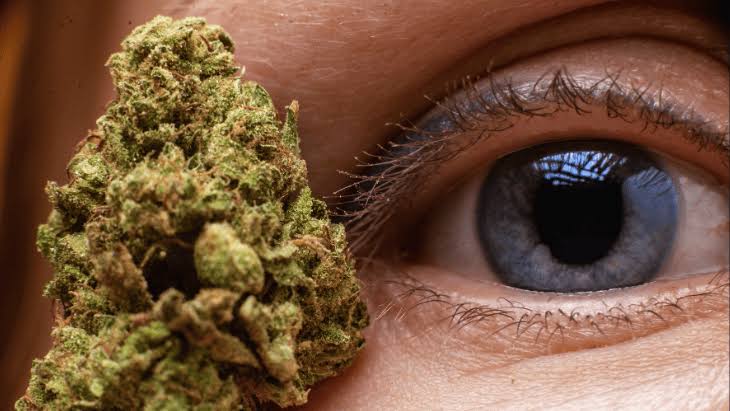
A case-control observational study published in the Journal of Glaucoma reported that adults with a history of frequent cannabis use were significantly less likely to be diagnosed with glaucoma. The researchers were affiliated with the University of California at San Diego. They also found that the lower odds of glaucoma appeared in a dose-dependent manner, meaning the association shifted with how much cannabis people used.
How the Study Was Set Up
The investigators compared more than 5,000 patients with glaucoma against more than 20,000 controls. A case-control design works by starting with people who already have a condition, then comparing their histories with people who do not.
The paper is titled “The association between marijuana use and primary open-angle glaucoma using the All of Us research program: A case-control study.” The condition under review was primary open-angle glaucoma, often shortened to POAG.
According to the authors, the link between marijuana use and lower POAG odds held up after they adjusted for multiple demographic and clinical factors. They also said the dose-dependent pattern hints that a biological relationship may exist, which is why they called for further investigation.
A Quick Primer on Primary Open-Angle Glaucoma
POAG is a long-term condition in which the optic nerve is gradually damaged. Elevated pressure inside the eye, called intraocular pressure (IOP), is a well-known risk factor, though not everyone with glaucoma has high pressure.
The tricky part is that early POAG often causes no pain and no obvious symptoms. Vision loss tends to start at the edges, so many people do not notice it until the disease is more advanced.
That is why routine eye exams matter. Doctors typically use tonometry to measure eye pressure, an optic nerve examination to look for damage, and visual field testing to map peripheral vision. Gonioscopy, a test that looks at the eye’s drainage angle, helps tell different types of glaucoma apart.
Why an Association Is Not a Treatment
This is the most important point in the whole story. An observational study can show that two things occur together, but it cannot prove that one causes the other. The authors themselves framed their results as a reason for more research, not as proof.
It has long been known that cannabis inhalation can lower intraocular pressure temporarily. A published survey also found that over one-third of glaucoma specialists acknowledge having patients who use cannabis to manage their condition.
Even so, the American Glaucoma Society does not endorse cannabis as a treatment for glaucoma. The authors of the new study suggested that marijuana and its components could be worth investigating as add-on therapies. That is a research question, and it is not advice for patients to change their care.
What This Means for Your Eye Health
If you already have glaucoma, the proven basics have not changed. Keep your follow-up appointments, and talk with your eye doctor before making any changes to your treatment plan. If you use cannabis for any reason, tell your doctor so they have the full picture.
If you do not have glaucoma, this study is not a reason to start using cannabis. Your best protection is catching the disease early through regular dilated eye exams, especially if you are older or have a family history of glaucoma.
A few habits worth keeping in mind:
Know your family history. Ask relatives whether anyone has been diagnosed with glaucoma, since family history is a recognized risk factor. Keep a record of your pressure readings. Comparing numbers over time helps your doctor spot changes. Do not rely on symptoms alone. Because early glaucoma is often silent, a normal-feeling eye does not rule it out.
When to See a Doctor
Book an eye exam if you have never had a comprehensive one, or if it has been a while since your last. Schedule a visit sooner if you notice patches of missing vision, difficulty seeing at the edges, or a family member has just been diagnosed.
Seek urgent care right away if you have sudden, severe eye pain with blurred vision, halos around lights, a red eye, nausea, or vomiting. These can be signs of a type of glaucoma where the eye’s drainage angle becomes blocked, and it needs prompt attention.
Your Next Step
The takeaway is simple: this study adds to a growing conversation, but it does not replace a proper eye exam. Look up the date of your last checkup, and if it has been more than a year or two, schedule one.
Bring a list of any questions about the research, along with a list of everything you take or use. Your eye doctor can tell you how it applies to your situation and which tests make sense for you.