Can Glaucoma Become a Permanent Disability?
Many people ask the same question after diagnosis.
“Will I lose my vision permanently?”
“Can glaucoma qualify as a disability?”
The answer depends on how much vision loss has already happened and how early treatment begins.
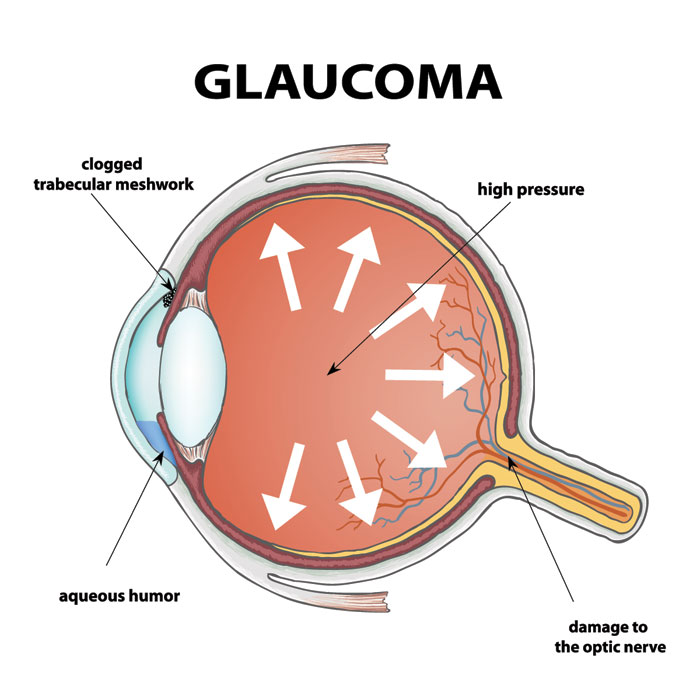
Glaucoma damages the optic nerve over time. Once vision loss occurs, doctors cannot restore it. Treatment focuses on slowing the damage before it becomes severe.
Some patients continue normal daily life for decades with minimal limitations.
Others experience major vision changes that affect work, driving, reading, and independence.
Your outcome depends on:
Early diagnosis
Consistent treatment
Regular eye exams
Type of glaucoma
Overall health
Access to medical care
Many people do not realize they have glaucoma until vision problems begin. That delay creates long-term risks.
Why Glaucoma Is Called the Silent Vision Thief
Glaucoma often develops without pain.
Your central vision may still appear normal while peripheral vision slowly disappears.
This is why many patients ignore early warning signs.
You may still read text messages clearly but struggle to notice objects beside you. Some people bump into walls, stairs, or furniture before they realize something is wrong.
Doctors commonly detect glaucoma during routine eye exams.
Risk factors include:
Age over 40
Diabetes
High blood pressure
Family history of glaucoma
Severe nearsightedness
Long-term steroid use
If glaucoma runs in your family, regular eye pressure checks matter even more.
Would you know if your side vision was already shrinking?
Many patients do not notice until permanent damage has started.
Does Glaucoma Automatically Qualify as a Disability?
No.
A glaucoma diagnosis alone does not always mean disability status.
The severity of vision loss matters more than the diagnosis itself.
Doctors and government agencies usually evaluate:
Visual field loss
Peripheral vision damage
Visual acuity
Ability to perform daily activities
Ability to work safely
A patient with early glaucoma may continue driving and working without limitations.
A patient with advanced tunnel vision may struggle with mobility, reading, or workplace safety.
This difference affects disability recognition.
Stages of Glaucoma and Disability Risk
Early Stage
Most patients notice no symptoms.
Eye pressure may increase slowly while optic nerve damage begins quietly.
At this stage:
Daily activities remain normal
Vision changes are minimal
Treatment response is usually better
Disability recognition is uncommon
This stage offers the best chance to protect long-term eyesight.
Moderate Stage
Peripheral vision begins narrowing.
Patients may notice:
Difficulty driving at night
Missing objects on the side
Trouble adjusting to dark rooms
Increased eye fatigue
Work performance may change depending on the job.
Disability status becomes possible in some cases.
Advanced Stage
Tunnel vision becomes noticeable.
Many patients struggle with:
Mobility
Reading
Driving
Workplace tasks
Recognizing faces from a distance
Falls and accidents may become more common.
At this stage, disability support may become necessary.
End Stage
Severe optic nerve damage leads to major vision loss or blindness.
Patients may require:
Mobility training
Assistive devices
Caregiver support
Workplace accommodations
Financial assistance
Legal disability recognition becomes highly likely.
Can You Still Work With Glaucoma?
Yes. Many patients continue working for years.
Your job type matters.
Office workers often adapt more easily using:
Large monitors
Screen readers
Bright lighting
Zoom tools
Voice software
Physical jobs become harder when vision loss progresses.
Jobs involving:
Driving
Heavy equipment
Construction
Security monitoring
Machinery operation
may become unsafe in advanced cases.
A delivery driver from Quezon City shared that he stopped night driving after developing severe peripheral vision loss. He later moved into dispatch work using screen magnification tools.
Career adjustments happen often with advanced glaucoma.
That does not mean your productive life ends.
How Glaucoma Affects Daily Living
Vision loss changes small routines first.
You may notice:
Difficulty reading labels
Trouble walking downstairs
Missing curbs while walking
Problems spotting people in crowds
Poor night vision
Many patients feel frustrated because others cannot “see” their condition.
Unlike complete blindness, glaucoma vision loss often develops unevenly and gradually.
Simple home adjustments help reduce stress.
Examples include:
Brighter room lighting
Anti-slip flooring
High-contrast stair markings
Larger phone text
Voice assistant devices
Small changes protect independence.
Treatment Options That Slow Vision Loss
Glaucoma treatment focuses on lowering eye pressure.
Common treatments include:
Prescription Eye Drops
These help reduce pressure inside the eye.
Patients often need daily maintenance for life.
Skipping doses increases the risk of nerve damage.
Laser Procedures
Laser treatment improves fluid drainage inside the eye.
Some patients reduce medicine use after laser procedures.
Others still require maintenance drops afterward.
Glaucoma Surgery
Doctors may recommend surgery when pressure remains uncontrolled.
Surgical procedures create new drainage pathways to lower eye pressure.
Surgery protects remaining vision. It does not restore lost eyesight.
Can You Get Disability Benefits for Glaucoma?
Yes, in severe cases.
Eligibility depends on your country’s disability laws and medical findings.
In the Philippines, patients with major visual impairment may qualify for a PWD ID.
Benefits may include:
Medicine discounts
Medical discounts
Transportation discounts
VAT exemption
Priority services
Medical documents are usually required.
Doctors may request:
Visual field test results
Eye examination reports
Diagnosis certificates
Vision acuity records
Patients with mild glaucoma often do not qualify.
Financial Burden of Long-Term Glaucoma Care
Many families underestimate glaucoma expenses.
Costs may include:
Monthly eye drops
Eye pressure tests
OCT scans
Doctor consultations
Surgery
Transportation to clinics
Some maintenance medicines cost thousands of pesos monthly.
Patients sometimes stop treatment because of financial pressure.
That decision becomes dangerous.
One missed month can increase eye pressure and worsen optic nerve damage.
This is why regular follow-up matters even when symptoms seem stable.
Emotional Impact of Glaucoma
Vision loss affects more than eyesight.
Many patients experience:
Anxiety
Fear of blindness
Loss of confidence
Isolation
Depression
Some avoid social activities after losing confidence in mobility.
Others fear becoming dependent on family members.
Support groups and counseling can help patients adjust emotionally.
Talking openly with family also reduces stress.
You do not need to face the condition alone.
Low Vision Aids That Help Patients Stay Independent
Modern tools make daily life easier.
Helpful devices include:
Magnifiers
Talking clocks
Voice-enabled phones
Large-button keyboards
Screen-reading software
Audio books
Bright task lighting
Many patients adapt successfully with proper support.
Technology continues improving accessibility for visually impaired individuals.
What You Can Do Right Now
Protecting your vision starts with consistent habits.
Take these steps seriously:
Attend scheduled eye appointments
Use eye drops exactly as prescribed
Monitor changes in side vision
Avoid skipping medications
Ask family members about glaucoma history
Get yearly eye exams after age 40
Early action matters more than many people realize.
A patient diagnosed early may preserve useful vision for life.
Delayed treatment creates permanent consequences.
Why Early Detection Changes Everything
Doctors often say glaucoma damage cannot be reversed.
That statement scares many patients.
Yet early diagnosis changes the long-term outcome dramatically.
Patients diagnosed before major optic nerve damage often maintain functional vision for decades.
Routine eye exams remain the strongest defense.
One simple checkup could prevent major vision loss later.
FAQ About Glaucoma and Disability
Is glaucoma considered a permanent disability?
It can become a permanent disability if severe vision loss affects daily activities and work ability.
Can glaucoma cause blindness?
Yes. Untreated glaucoma can lead to permanent blindness.
Can you work with glaucoma?
Many patients continue working, especially during early and moderate stages.
Can glaucoma vision loss be reversed?
No. Vision already lost from glaucoma cannot be restored.
Can glaucoma patients drive?
Some patients can still drive safely during early stages. Advanced peripheral vision loss may make driving unsafe.
Can you get a PWD ID for glaucoma in the Philippines?
Yes. Patients with severe visual impairment may qualify after medical evaluation.
What is the biggest mistake glaucoma patients make?
Stopping medication after symptoms improve. Glaucoma damage can continue silently.
How often should glaucoma patients see their doctor?
Most patients need regular follow-up visits every few months depending on eye pressure control.