India’s First Certified Hydrus Microstent Surgeon
Dr. Nitin Deshpande pioneers Hydrus microstent surgery in India, setting new standards for glaucoma treatment with advanced minimally invasive techniques.
Hydrus microstent surgery India
Understanding Glaucoma and Modern Treatment Options
Glaucoma affects millions of people worldwide, and many don’t realize they have it until significant vision loss occurs. The condition develops when fluid pressure inside the eye rises to levels that damage the optic nerve, the cable connecting your eye to your brain. Early detection and proper treatment can slow or prevent vision loss, but finding the right surgeon matters just as much as finding the right procedure.
For decades, treatment options for glaucoma included eye drops, laser procedures, and traditional surgery. While these approaches help many patients, newer minimally invasive glaucoma surgeries (MIGS) offer alternatives that cause less tissue trauma and recovery time. One of these newer options is the Hydrus microstent, a device that has gained recognition in developed nations but is only now becoming available in India.
What Makes the Hydrus Microstent Different
The Hydrus microstent is a small, horseshoe-shaped device designed to improve fluid drainage in the eye. Unlike traditional glaucoma surgery, which creates new drainage pathways or removes tissue, the microstent works by directly accessing the eye’s natural drainage system called Schlemm’s canal. This approach preserves the eye’s natural anatomy while improving fluid outflow.
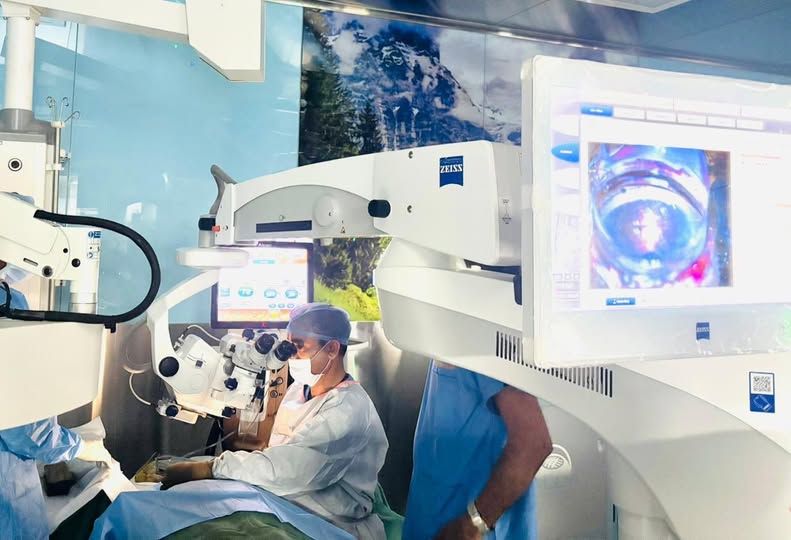
During the procedure, an ophthalmologist carefully places the device into Schlemm’s canal using a gonioscopic view—a specialized lens that allows the surgeon to see the angle of the eye clearly. The stent remains permanently in place, continuously helping fluid drain from the eye. This steady drainage reduces intraocular pressure, which is the main factor driving glaucoma progression.
What sets this procedure apart is the precision required. Surgeons must navigate delicate eye structures and place a device smaller than a grain of rice in exactly the right position. This demands specialized training, advanced equipment, and extensive practice. Not every eye surgeon can perform this procedure safely and effectively, which is why certification matters significantly.
Dr. Nitin Deshpande’s Pioneering Achievement
Dr. Nitin Deshpande has become India’s first certified Hydrus microstent surgeon, a distinction that reflects years of dedication to advancing glaucoma care in the country. His certification came after rigorous training and demonstration of competency in performing these delicate procedures. Beyond certification, Dr. Deshpande has achieved the highest number of Hydrus surgeries performed in India, establishing himself as a leading expert in this field.
This achievement is particularly significant for Indian patients who previously had limited access to MIGS options. Many patients had to travel abroad to access these advanced procedures, which increased costs and created barriers to care. With Dr. Deshpande’s expertise now available in India, more patients can benefit from these minimally invasive approaches without leaving their country.
Dr. Deshpande’s work demonstrates how training, expertise, and commitment to professional excellence can bring world-class care to patients closer to home. His patients benefit from his extensive experience, understanding of the technology, and ability to select appropriate candidates for the procedure.
Who Benefits From Hydrus Microstent Surgery
Not every glaucoma patient is a candidate for Hydrus microstent surgery. Ideal candidates typically have mild to moderate open-angle glaucoma, the most common form of the disease. In open-angle glaucoma, the drainage angle appears normal when examined through gonioscopy, but fluid still doesn’t drain as efficiently as it should.
Patients who experience side effects from eye drops, those who cannot tolerate medications consistently, or individuals seeking to reduce their dependence on daily medications often benefit from this procedure. Additionally, people diagnosed early in their glaucoma journey may be good candidates before the disease progresses significantly.
The procedure may also be combined with cataract surgery if a patient has both conditions. This combined approach addresses multiple eye problems in a single surgical session, reducing overall trauma to the eye.
The Procedure and Recovery Process
Hydrus microstent surgery is performed under local anesthesia, meaning patients remain awake but comfortable throughout the procedure. The surgery typically takes 15 to 20 minutes, making it quicker than traditional glaucoma surgeries. Patients go home the same day, though they must follow specific post-operative instructions.
Recovery involves using prescribed eye drops to prevent infection and reduce inflammation. Most patients experience minimal discomfort, and many notice improvements in their vision within days. Unlike traditional glaucoma surgery, which can cause temporary vision blurring or fluctuations, many Hydrus patients experience stable or improved vision relatively quickly.
Regular follow-up appointments are essential to monitor healing and measure intraocular pressure. Most patients can resume normal activities within a week, though strenuous exercise should be avoided for a few weeks. The procedure’s minimally invasive nature translates to faster healing and fewer complications compared to traditional surgical approaches.
Why Expertise and Certification Matter
Choosing a surgeon for glaucoma care is one of the most important decisions a patient can make. The difference between an experienced surgeon and one new to a procedure can significantly impact outcomes. Dr. Deshpande’s certification indicates he has met stringent standards for training, completed numerous procedures successfully, and demonstrated consistent positive outcomes.
Certification also means the surgeon has access to ongoing education and maintains connections with other experts worldwide. This network allows them to stay updated on technique refinements, new evidence, and best practices. For patients, this translates to receiving care based on the latest understanding of how to maximize benefits and minimize risks.
The high number of procedures Dr. Deshpande has performed provides another layer of confidence. Experience builds intuition—the ability to identify subtle anatomical variations, anticipate complications, and adjust techniques appropriately. His extensive patient base in India means he understands the genetic predispositions and eye characteristics common in Indian populations, allowing him to tailor care accordingly.
When to See an Eye Doctor About Glaucoma
Many people don’t know they have glaucoma because the disease often progresses without obvious symptoms until vision loss becomes noticeable. This is why regular eye screening is crucial. You should schedule a comprehensive eye exam if you experience eye pain, blurred vision, or see halos around lights, as these may indicate elevated intraocular pressure.
Additionally, seek evaluation if you have risk factors like family history of glaucoma, elevated intraocular pressure previously detected, advanced age, certain racial backgrounds, or other eye conditions. People over 60, those with high myopia (nearsightedness), or individuals with diabetes should have regular glaucoma screening.
If you’ve been diagnosed with glaucoma and current treatment isn’t controlling your pressure adequately, or if you experience side effects from medications, discuss MIGS options like Hydrus microstent surgery with your ophthalmologist. Dr. Deshpande and other trained surgeons can evaluate whether this procedure suits your specific situation.
The Future of Glaucoma Care in India
Dr. Nitin Deshpande’s certification and success represent a shift toward advanced glaucoma care becoming more accessible across India. As more patients benefit from his expertise and outcomes continue to be positive, interest in MIGS procedures will likely grow. Other surgeons may pursue similar training, expanding options further.
This advancement means glaucoma patients no longer need to accept limited options or travel internationally for cutting-edge care. With world-class surgical expertise now available domestically, patients can receive the most appropriate treatment for their individual circumstances without the burden of overseas travel.
If you have glaucoma or suspect you might, schedule a comprehensive eye examination with a qualified ophthalmologist today. Understanding your treatment options—including advanced procedures like Hydrus microstent surgery—empowers you to make informed decisions about your eye health.