When a Routine Prescription Meets a Hidden Eye Risk
Picture a child who has been on medication for months to manage a flare-up. The cough is better, the rash has settled, and the family moves on. Nobody is thinking about the pressure inside the child’s eyes, because there is usually nothing to feel or see.
That is what makes steroid-induced ocular hypertension tricky. A new study from Children’s Hospital of Philadelphia puts numbers on how often it shows up in kids, and who may be more likely to develop it.
What Is Steroid-Induced Ocular Hypertension?
Ocular hypertension means the pressure inside the eye, known as intraocular pressure (IOP), is higher than normal. Glucocorticoids, a common class of steroid medication, are a known trigger for this kind of pressure rise.
If the pressure stays high and goes untreated, it can damage the optic nerve and lead to glaucoma. That damage can cause permanent vision loss. Because children are often prescribed glucocorticoids for everyday conditions such as asthma, researchers want a clearer picture of the risks.
The Study Behind the Headlines
The research was published in Ophthalmology, with an online-ahead-of-print date of November 14, 2026. The paper, titled “Risk factors associated with ocular hypertension after steroid use in children,” was authored by Huang A, He J, Ying GS, and colleagues at Children’s Hospital of Philadelphia.
The team looked at children who had been prescribed glucocorticoids and also had an IOP measurement recorded within 60 days of starting the medication. That requirement matters, because it means the group had eye pressure checks on file.
The Numbers: How Many Children Were Affected?
The study included 5,687 children, with a mean age of 8.8 years at the start of steroid treatment. About 54.4% were male.
Of those children, 1,034 (18.2%) developed ocular hypertension. The most commonly prescribed steroid was fluticasone, accounting for 20.0% of prescriptions. The most common route of administration was inhaled or intranasal, at 24.8%.
Which Children Had Higher Odds?
The researchers ran a multivariable analysis to see which factors were independently linked to ocular hypertension. The results were reported as adjusted odds ratios (aOR), where a higher number means higher odds.
Conditions that raised the odds
Having glaucoma carried the highest adjusted odds ratio, at 6.77. Juvenile arthritis came in at 1.56, and uveitis at 1.52. Uveitis is inflammation inside the eye, and juvenile arthritis is a chronic joint condition that can sometimes affect the eyes too.
Steroid type and route of delivery
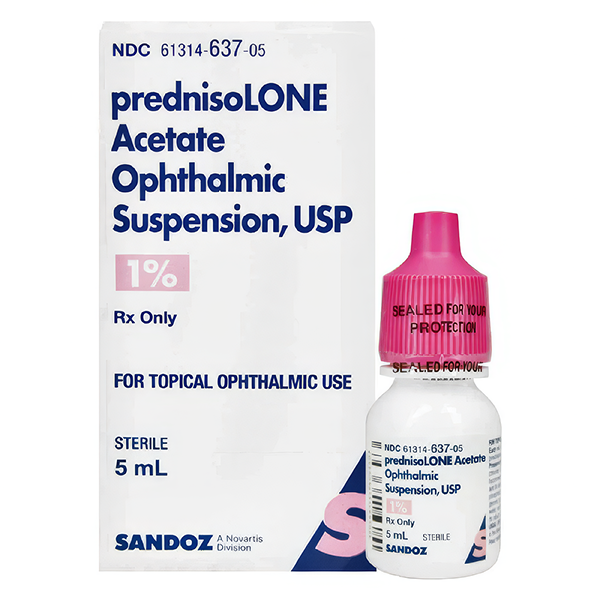
Children who took prednisone had an aOR of 3.37 compared with those who took dexamethasone. Route of administration also made a difference when compared with topical use. Steroids delivered to the eye had an aOR of 3.57, and intravenous steroids had an aOR of 2.63.
Factors that did not show an independent link
Age, sex, race, ethnicity, diabetes, and asthma were not independently associated with ocular hypertension in this analysis. The authors noted a caveat, though. Getting a reliable IOP reading in infants and young children is hard, so a true link with age could be hidden in the data.
Why Might Some Routes Carry More Risk?
The researchers suggested that the higher risk with ocular steroids is probably due to direct exposure of eye tissues to the medication. For intravenous steroids, they proposed that the link may reflect the large cumulative systemic doses used in pulse and inpatient regimens.
They were upfront that they could not examine dose or duration directly. So these explanations are reasonable possibilities, not proven mechanisms.
What This Study Does Not Say
It is easy to read “18.2%” and feel alarmed, so a few points of context help. The study does not show that steroids are unsafe for children, and it does not suggest that families should stop a prescribed medication. Steroids treat serious conditions, and decisions about them belong with the child’s medical team.
The authors also said their data cannot support a case for universal eye screening of every child who takes steroids. Their conclusion was more targeted. Eye care providers should keep a low threshold for measuring IOP in children who have possible risk factors for ocular hypertension.
They also called for future studies on steroid dosage and treatment duration. Those findings could eventually shape clinical monitoring guidelines for children on steroids.
How Eye Pressure Is Checked in Children
Eye care professionals typically measure IOP with tonometry, a quick test that estimates the pressure inside the eye. In older children it is often straightforward. In infants and toddlers, it can be much harder, which is part of why the study authors flagged measurement difficulty as a limitation.
If pressure readings are high or borderline, an eye doctor may also examine the optic nerve and the eye’s drainage angle with a test called gonioscopy. These checks help show whether the pressure is affecting the eye’s structures.
Signs Parents Should Watch For
Raised eye pressure in children often causes no obvious symptoms, which is why monitoring matters. Still, some signs are worth noticing and mentioning to a doctor:
Frequent eye rubbing, squinting, or complaints of eye pain or headaches can occur. Redness, light sensitivity, or blurry vision are also worth reporting. Younger children may not be able to describe what they are experiencing, so changes in behavior, such as sitting very close to screens or avoiding bright rooms, can offer clues.
When to See a Doctor
Book an eye exam if your child is on or about to start steroid therapy and has glaucoma, uveitis, or juvenile arthritis. Those are the conditions linked to higher odds in this study. The same goes if your child is receiving steroids by a route such as eye drops, injections near the eye, or intravenous treatment.
Seek prompt care if your child has sudden eye pain, a noticeable drop in vision, severe redness, or nausea along with eye discomfort. These symptoms should not wait for a routine appointment.
Your Practical Next Step
If your child takes steroids regularly, ask the prescribing doctor whether an eye pressure check makes sense, especially if any of the risk factors above apply. Keep a simple list of your child’s medications, including the type and how they are given, and bring it to eye appointments.
Most importantly, keep giving prescribed medication as directed unless a doctor tells you otherwise. A quick conversation and a pressure check can catch a problem early, before it threatens your child’s vision.