A New Eye Disease Information Hub Offers Clearer Insights into Diagnosis
For many patients, receiving an eye disease diagnosis can feel confusing and overwhelming. Blurred vision, flashes of light, or gradual sight loss often lead to a series of tests—but not always clear answers. Even after visiting an eye specialist, many people are left asking: What exactly is happening to my eyes, and what comes next?
A new digital eye health hub, highlighted by recent reports from Clarity News, aims to change that experience. By centralizing reliable, easy-to-understand medical information, the platform helps both patients and clinicians better understand how eye diseases are diagnosed, monitored, and managed.
This shift represents more than just improved education—it reflects a growing movement toward patient empowerment and transparency in eye care.
Why a Centralized Eye Disease Hub Matters
Eye health conditions are among the most complex and varied in medicine. From glaucoma to diabetic retinopathy, each condition requires different diagnostic tools and long-term monitoring strategies.
Traditionally, patients had to search across multiple sources to understand their diagnosis:
- Basic clinic handouts with limited explanations
- General health websites lacking depth
- Academic journals too technical for most readers
- Online forums with inconsistent or inaccurate advice
This fragmented approach often leads to confusion, anxiety, and misunderstandings about treatment plans.
The new hub addresses this gap by consolidating trusted information into one accessible platform focused specifically on eye disease diagnosis.
What the Eye Disease Hub Provides
Unlike standard health websites, this hub is designed to explain how diagnosis actually works, not just what diseases are.
Key features include:
- Step-by-step explanations of diagnostic tools such as OCT scans and visual field testing
- Visual animations showing how eye diseases progress over time
- Simplified glossaries that translate medical terms into plain language
- Real-world case examples demonstrating how diagnoses are made
By focusing on the diagnostic process, the platform helps patients better understand what their test results mean and why they matter.
Key Eye Diseases Explained on the Platform
The hub focuses on the most common and vision-threatening eye conditions. Each section breaks down how these diseases are identified and monitored.
Age-Related Macular Degeneration (AMD)
AMD affects central vision and is a leading cause of vision loss in older adults.
The hub explains:
- Differences between dry and wet AMD
- How drusen deposits appear in retinal imaging
- The use of Amsler grid testing for early detection
- Advanced imaging techniques like fluorescein angiography
Glaucoma
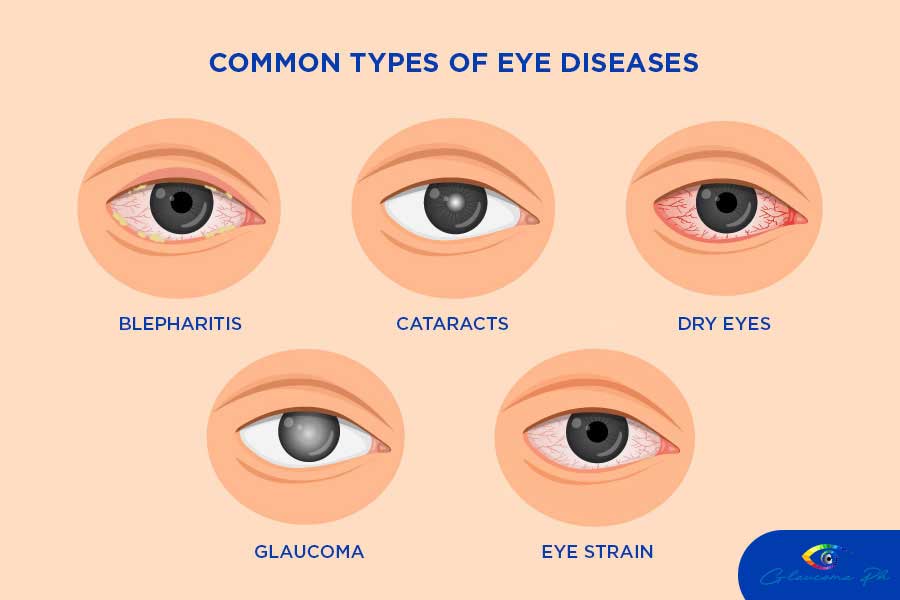
Often called the “silent thief of sight,” glaucoma damages the optic nerve gradually and without early symptoms.
Diagnostic tools covered include:
- Tonometry for measuring eye pressure
- Pachymetry to assess corneal thickness
- Optic nerve imaging to track structural changes
- Visual field testing to detect peripheral vision loss
Diabetic Retinopathy
This condition results from long-term damage to retinal blood vessels due to high blood sugar levels.
The hub highlights:
- Stages of disease progression
- Fundus photography for retinal evaluation
- OCT angiography for detecting blood flow issues
- The importance of regular diabetic eye exams
Cataracts
Cataracts cause clouding of the eye’s natural lens and are common with aging.
The platform explains:
- Slit-lamp examination for grading severity
- Contrast sensitivity testing for functional vision assessment
- Pre-surgical evaluations for lens replacement planning
How the Hub Improves Patient Understanding
One of the most important benefits of this platform is improved communication between patients and healthcare providers.
When patients understand diagnostic terms and processes, they are more likely to:
- Ask informed questions during appointments
- Understand test results more clearly
- Follow treatment plans consistently
- Reduce anxiety about procedures and monitoring
For example, understanding what an OCT scan shows can help patients grasp why regular monitoring is essential—even if symptoms are not immediately noticeable.
Benefits for Healthcare Professionals
The hub is also a valuable resource for clinicians, including optometrists and general practitioners.
It helps professionals:
- Quickly reference diagnostic criteria
- Explain conditions in simpler language
- Support patient education during consultations
- Improve shared decision-making
Medical students and trainees can also use the platform to better understand real-world diagnostic workflows.
Supporting Earlier Detection and Better Outcomes
Improved access to clear diagnostic information can have a wider public health impact.
Potential benefits include:
- Earlier detection of eye diseases through increased awareness
- Better management of chronic conditions like diabetes
- Improved adherence to treatment plans
- Reduced risk of preventable vision loss
When patients understand the importance of routine eye exams, they are more likely to seek care before irreversible damage occurs.
Empowering Patients Through Knowledge
At its core, the eye disease hub is designed to make medical information more transparent and accessible. Instead of relying on fragmented explanations, patients can now explore how their condition is diagnosed and managed in one place.
This approach supports a more active role in healthcare, where patients are not just recipients of treatment but informed participants in their care decisions.
Final Thoughts
The introduction of a centralized eye disease information hub represents a meaningful step forward in modern eye care. By simplifying complex diagnostic processes and improving access to reliable information, it helps bridge the gap between medical expertise and patient understanding.
For anyone facing an eye condition—or simply wanting to learn more about eye health—this type of resource can make a significant difference.
Clear information leads to better questions, better decisions, and ultimately, better vision outcomes.