Eye chart vision tests
Early vision loss signs revealed by fading letters during routine eye exams and standard vision testing procedures.
Early vision loss signs
When Your Eye Chart Reveals More Than Perfect 20/20 Vision
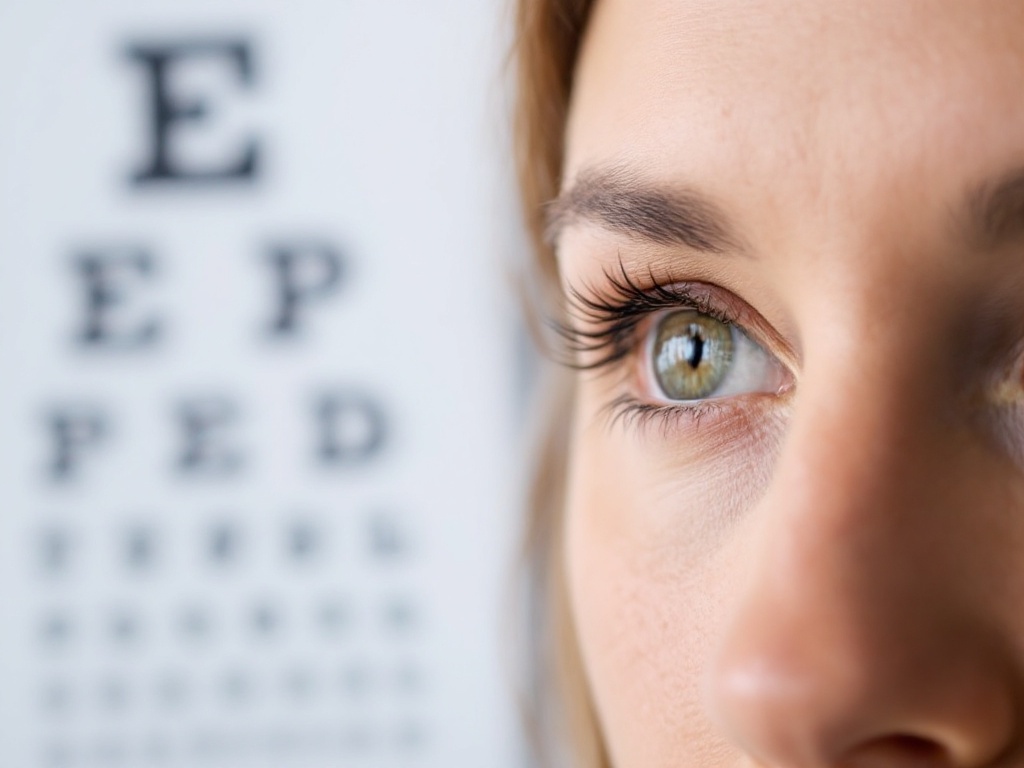
You sit in the optometrist’s chair, cover one eye, and read off letters on a chart across the room. “20/20,” the doctor announces, and you leave feeling confident about your eyesight. But what if that perfect score is hiding something more serious? Recent research suggests that the way letters fade on an eye chart during testing might be detecting vision problems that standard tests completely miss.
Most of us think vision is simply about seeing 20/20. We assume that if we can read the smallest line on the chart, our eyes are perfectly healthy. The reality is far more complex, especially when it comes to conditions like glaucoma that damage vision in subtle ways before we notice anything is wrong.
Understanding How Eye Charts Actually Work
Eye charts have been the gold standard for vision testing for over a century. They measure visual acuity—how clearly you see at a specific distance. The familiar rows of letters get progressively smaller as you move down the chart, testing your ability to distinguish fine details.
When you read those letters correctly, your optometrist notes your visual acuity. A 20/20 result means you can see at 20 feet what a person with normal vision sees at that same distance. But here’s the catch: this measurement only tells part of the story about your actual eye health.
The chart doesn’t measure contrast sensitivity, which is how well you can see objects against their background. It doesn’t evaluate your ability to process visual information quickly or your peripheral vision. These functions are critical for everyday activities like driving safely or navigating in dim lighting.
The Fading Letter Phenomenon and What It Means
Researchers have discovered something intriguing during standard eye chart testing. When letters on the chart appear to fade or become harder to see—even if you can still read them—this might indicate vision loss that formal acuity tests miss. Think of it like the difference between hearing words spoken in a normal voice versus a whisper: technically, you’re still hearing, but the quality of perception has changed.
This fading effect could be an early warning sign of progressive eye diseases. Glaucoma, in particular, often damages vision in ways that don’t immediately show up as reduced sharpness. Instead, it affects how your eyes process contrast and brightness, which would make letters appear less vivid even before your overall vision clarity decreases.
The significance of this discovery lies in early detection. If fading letters can signal problems before traditional tests show damage, patients could catch diseases earlier and start treatment sooner. For glaucoma specifically, early intervention can prevent significant vision loss.
Why Standard Vision Tests Fall Short for Glaucoma Detection
Glaucoma is one of the leading causes of irreversible blindness worldwide, and it earned the nickname “the silent thief of sight” for good reason. Many people have glaucoma without knowing it because the disease progresses without obvious symptoms in its early stages.
Traditional eye charts measure central vision acuity, which is often the last thing glaucoma affects. The disease typically begins by damaging peripheral vision and disrupting how the eye processes light and contrast. A patient might have significant glaucoma damage while still reading 20/20 on an eye chart.
This is why eye care professionals use multiple testing methods beyond just the standard chart. Optical coherence tomography scans the optic nerve layers in detail. Visual field tests map your complete field of vision. Tonometry measures eye pressure, a key glaucoma risk factor. These comprehensive approaches catch problems that simple acuity charts would miss.
The fading letter observation adds another potential tool to this arsenal. If ophthalmologists recognize that subtle changes in letter perception could indicate developing vision problems, they can investigate further before damage becomes irreversible.
What the Research Tells Us About Contrast and Vision Loss
When researchers closely examined how patients with early-stage eye diseases experienced the eye chart, they noticed patterns. Letters didn’t just become smaller and harder to read—they seemed to lose contrast and vibrancy. The background and letters blended together more than they should.
This observation aligns with what we know about how diseases like glaucoma damage the eye. The optic nerve damage affects how signals travel to your brain, influencing your perception of contrast and brightness long before it impacts your ability to see fine details clearly.
By paying attention to these subtle perceptual changes, eye care professionals gain another window into what’s happening inside the eye. A patient reporting that letters seem “washed out” or “less sharp” becomes meaningful diagnostic information rather than a casual complaint.
Practical Implications for Your Eye Health
If you’re due for an eye exam, this research highlights why comprehensive testing matters. Don’t assume that passing the basic acuity test means your eyes are completely healthy. Request additional testing, especially if you have risk factors for glaucoma like family history, high eye pressure, or advancing age.
When you sit down for your eye exam, pay attention to your own experience. Do the letters seem as clear and vivid as they used to? Do you notice any haziness or difficulty with contrast? Mention these observations to your eye care provider. Your subjective experience of the test can be as valuable as the numerical result.
Specifically, if you have a family history of glaucoma, regular comprehensive eye exams become even more critical. Annual visits allow your eye doctor to track changes over time and catch problems in their earliest stages when treatment is most effective.
The Future of Vision Testing
As research continues exploring how subtle changes in perception reveal hidden vision problems, eye care testing may evolve. Future eye exams might include more sophisticated assessments of how patients experience contrast and brightness, not just their ability to identify letters.
Technology is also improving how we measure and monitor eye health. Advanced imaging and computerized testing can now detect microscopic changes in the optic nerve and visual function. Combining these technological advances with careful observation of patient experience could create even more sensitive detection methods.
The key takeaway is that vision health is more nuanced than 20/20 vision. Your eye care depends on comprehensive evaluation, careful attention to how you experience the test, and regular monitoring over time. Those fading letters on the chart might be trying to tell you something important—if we know how to listen.
Taking Action for Your Vision
Schedule regular comprehensive eye exams with an eye care specialist, not just refraction tests for glasses or contacts. Ask your optometrist or ophthalmologist about additional testing beyond standard charts, especially if you have risk factors for glaucoma.
Keep track of any changes in how you see the world. If lights seem dimmer, contrasts seem less sharp, or you notice any change in your peripheral vision, report these changes immediately. Early detection and treatment of eye diseases can preserve your vision for decades to come.