Advanced Eye Surgery Techniques Transform Vision Care
Discover how cutting-edge eye surgery methods are revolutionizing vision correction and treatment options in the Philippines today.
eye surgery Philippines
When Vision Changes Suddenly
You’re reading your favorite book when the words start to blur. Maybe you’re driving home from work and the streetlights seem to have halos around them. Or perhaps you’ve noticed your eyes feel uncomfortable even after a full night’s sleep. These experiences are more common than you might think, and for many Filipinos, they signal that it’s time to explore advanced eye care solutions.
The landscape of eye surgery in the Philippines has transformed dramatically over the past decade. Modern surgical techniques now offer patients options that were previously available only in international medical centers, bringing world-class vision correction and treatment closer to home.
Understanding Modern Refractive Surgery
Refractive errors—myopia, hyperopia, and astigmatism—affect millions of Filipinos. These conditions occur when the cornea or lens doesn’t bend light rays correctly onto the retina, resulting in blurred vision at various distances. For decades, glasses and contact lenses were the primary solutions.
Today, laser-assisted procedures have revolutionized how eye specialists address these common problems. LASIK (Laser-Assisted In Situ Keratomileusis) remains one of the most widely performed procedures, using precise laser technology to reshape the cornea. The procedure typically takes about 15 minutes per eye and requires only topical anesthesia.
PRK (Photorefractive Keratectomy) offers an alternative for patients with thinner corneas or those engaged in contact sports. Unlike LASIK, PRK removes the outer corneal layer entirely, allowing the laser to reshape the underlying tissue directly. While recovery takes slightly longer, many athletes and active individuals prefer this option because it eliminates risks associated with creating a corneal flap.
SMILE (Small Incision Lenticule Extraction) represents the newest frontier in refractive surgery. This minimally invasive technique creates only a small keyhole-sized incision, making it particularly appealing for patients concerned about corneal stability and dry eye symptoms post-surgery.
Advanced Diagnostic Tools Enable Precision Treatment
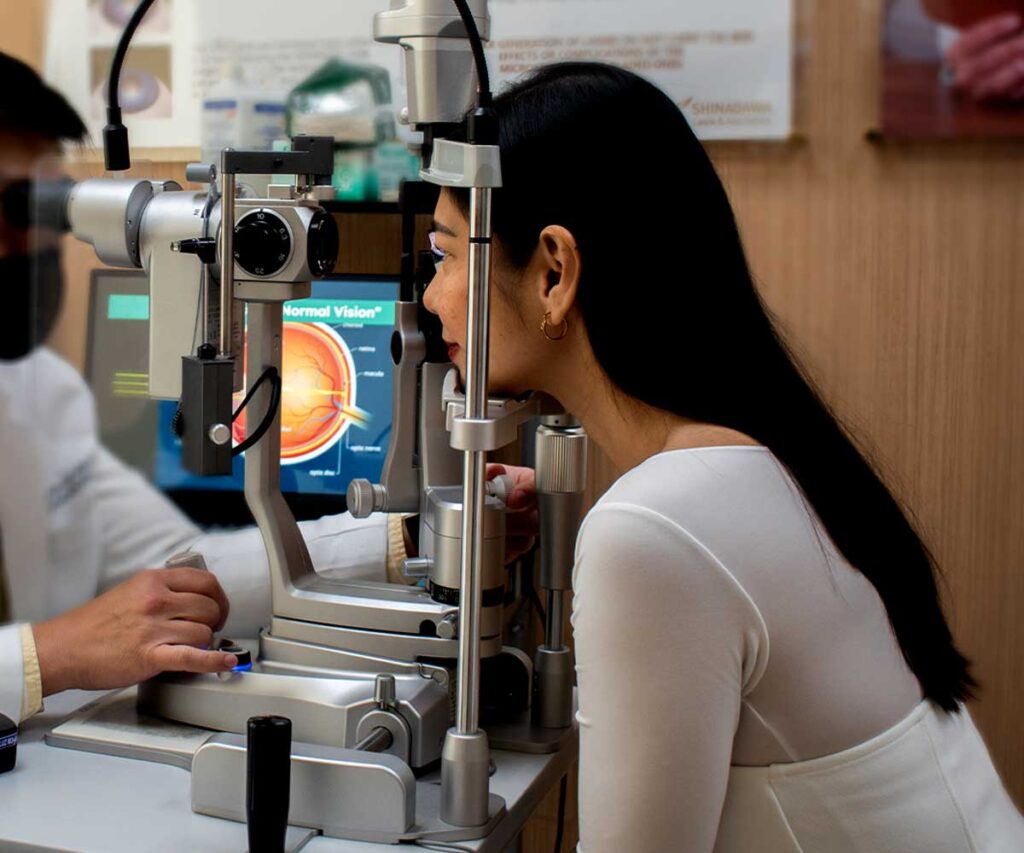
Before recommending any surgical procedure, Filipino eye surgeons now employ sophisticated diagnostic equipment that provides unprecedented detail about eye anatomy. Corneal topography maps the curvature of the cornea with exceptional precision, revealing irregularities that might affect surgical outcomes.
Optical coherence tomography (OCT) provides cross-sectional imaging of the retina and optic nerve, allowing doctors to detect conditions like macular degeneration or diabetic retinopathy in their earliest stages. Pachymetry measures corneal thickness—essential information for determining surgical candidacy.
For patients with cataracts, advanced intraocular lens (IOL) technology has evolved beyond simple vision correction. Premium IOLs can now address presbyopia, astigmatism, and provide extended depth of focus, potentially reducing dependence on reading glasses after cataract surgery.
Specialized Care for Complex Conditions
Beyond routine refractive errors, Philippine eye centers now offer specialized surgical interventions for more complex conditions. Patients with keratoconus—a progressive eye disease where the cornea gradually thins and develops a cone-like shape—can benefit from corneal cross-linking procedures that halt disease progression.
Corneal cross-linking involves applying riboflavin (vitamin B2) drops to the cornea, followed by controlled ultraviolet light exposure. This chemical reaction strengthens corneal collagen fibers, stabilizing the cornea and preventing further deterioration. For many patients, this procedure eliminates the need for corneal transplantation.
Retinal detachment surgery has also advanced significantly. While some cases still require traditional approaches like pneumatic retinopexy or scleral buckle surgery, vitreoretinal specialists now frequently use microincisional vitrectomy (with incisions as small as 25 gauge), which offers faster recovery and less inflammation.
Glaucoma patients benefit from minimally invasive glaucoma surgery (MIGS) procedures. These techniques use micro-scale surgical instruments to improve aqueous humor drainage, reducing intraocular pressure without the more invasive nature of traditional glaucoma surgeries. Tonometry and gonioscopy remain standard diagnostic tools for assessing glaucoma severity before determining the most appropriate surgical approach.
Addressing the Dry Eye Challenge
One concern many patients voice before refractive surgery is the possibility of post-operative dry eye. Advanced surgical techniques have minimized this risk, but prevention remains crucial. Pre-operative assessment now includes specialized dry eye testing to identify at-risk patients.
For those with existing dry eye disease, innovative treatments like meibomian gland expression and intense pulsed light (IPL) therapy can improve symptoms before considering refractive surgery. Some patients may need punctal plugs—tiny devices inserted into tear drainage ducts to conserve tears—as a temporary or permanent solution.
Recovery and Realistic Expectations
Recovery timelines vary depending on the procedure chosen. LASIK patients typically experience dramatically improved vision within 24 hours, though complete stabilization may take several weeks. PRK requires a longer recovery period, with vision improvements continuing over several months.
Temporary side effects are common and usually resolve within weeks or months. Halos around lights, mild glare, fluctuating vision, and transient dry eyes frequently occur immediately after surgery but typically improve substantially during the healing period.
Success rates for modern refractive procedures exceed 95% for achieving the target vision correction. However, residual refractive error or regression can occur in some cases, sometimes requiring an enhancement procedure months later.
When to See an Eye Specialist
Schedule a comprehensive eye examination if you notice gradual vision changes, sudden blurriness, flashing lights, or new floaters in your vision. These symptoms may indicate conditions ranging from simple refractive error to serious retinal problems requiring urgent evaluation.
Seek immediate care if you experience sudden vision loss, eye pain, or trauma. These situations demand prompt assessment by an ophthalmologist to rule out emergencies like angle-closure glaucoma, retinal detachment, or corneal abrasion.
If you’re considering refractive surgery, expect your initial consultation to include detailed questioning about your medical history, lifestyle, and visual goals. Be prepared to spend 1-2 hours undergoing comprehensive testing and measurement.
Building Your Vision Care Plan
The decision to pursue eye surgery is deeply personal. Work closely with your eye care provider to understand how different options align with your lifestyle, visual needs, and personal preferences. Many patients find that discussing their daily activities—whether they’re frequent computer users, outdoor enthusiasts, or night drivers—helps their surgeon recommend the most suitable approach.
Schedule a detailed consultation with a qualified ophthalmologist to discuss your specific situation. Ask about their experience with your preferred procedure, complication rates at their facility, and what support they provide during your recovery journey. Clear communication about your expectations ensures the best possible outcome for your vision correction goals.