Free Health and Eye Screening Dubai Guide
Get comprehensive health and eye screening services free in Dubai. Learn about Philippine Consulate’s wellness initiatives and how to access them.
Philippine Consulate free screening Dubai
When Vision Problems Go Unnoticed
You’re scrolling through your phone at night, and the text seems a bit blurry. You blink a few times, assuming it’s just fatigue. Days pass, and you notice squinting has become your default habit. Maybe you chalk it up to screen time or age, but you never actually visit an eye doctor because appointments feel expensive and time-consuming.
This scenario plays out for thousands of residents in Dubai, particularly among the Filipino community. Many people postpone eye care and general health checkups simply because they’re unsure where to access affordable services or feel hesitant about the cost involved.
Understanding Preventive Health Screening
Preventive health screening forms the foundation of early disease detection. Rather than waiting until symptoms become severe, regular checkups allow healthcare professionals to identify potential issues before they develop into serious conditions.
Eye screening, specifically, measures more than just your ability to read an eye chart. When an optometrist or ophthalmologist performs a comprehensive eye exam, they assess intraocular pressure through tonometry, examine the drainage angle using gonioscopy when needed, and evaluate the optic nerve for any signs of damage. These detailed assessments can reveal conditions like glaucoma, diabetic retinopathy, and age-related macular degeneration long before you experience vision loss.
General health screenings typically include blood pressure checks, blood glucose monitoring, and cholesterol assessment. These measurements help identify cardiovascular risk factors, prediabetes, and metabolic syndrome—conditions that often develop silently without noticeable symptoms.
The Philippine Consulate’s Community Health Initiative
Recognizing the healthcare access challenges faced by Filipino nationals and residents, the Philippine Consulate in Dubai periodically organizes free health and eye screening programs. These initiatives aim to make essential preventive care accessible to the community without financial barriers.
The screening programs typically feature licensed healthcare professionals who volunteer their expertise for the cause. Optometrists conduct vision assessments and eye health evaluations, while medical doctors handle general health screenings. The atmosphere remains professional yet welcoming, designed to make participants comfortable during their consultations.
These programs represent more than just free services—they embody a commitment to community wellness and demonstrate how organized healthcare outreach can bridge gaps in healthcare accessibility.
What to Expect During Eye Screening
Eye screening appointments usually begin with a visual acuity test using a standard eye chart. You’ll read letters of decreasing size from a set distance, allowing the optometrist to determine whether you have refractive errors like myopia, hyperopia, or astigmatism.
The professional will then perform a refraction assessment, where you look through different lens combinations to identify which correction provides the sharpest vision. This helps determine if you need glasses or contact lenses.
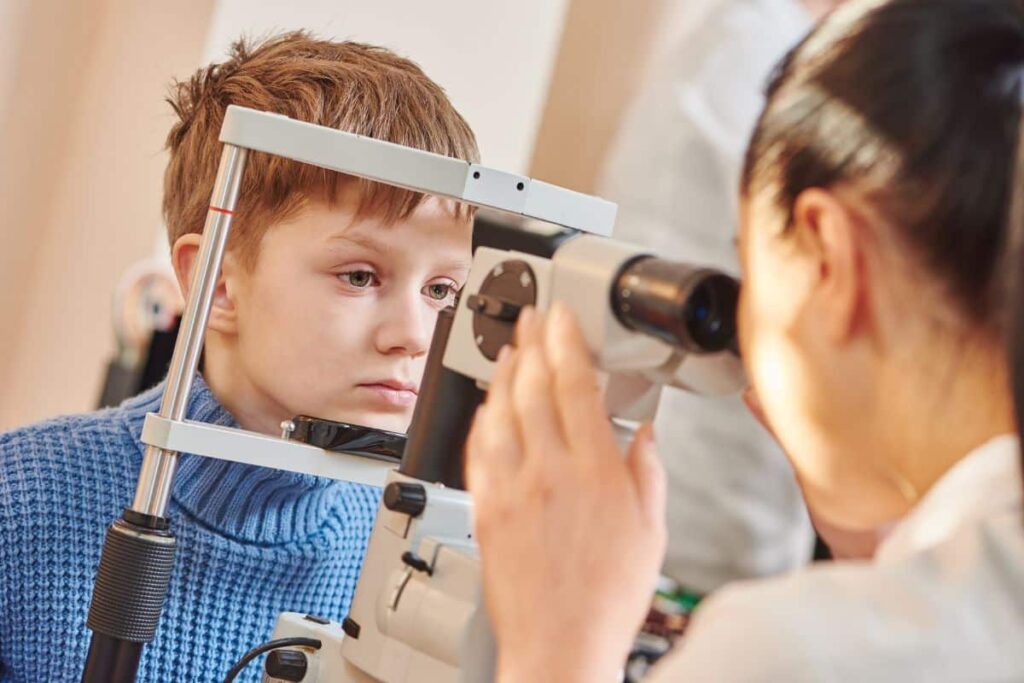
Next comes the slit lamp examination, where a specialized microscope allows the doctor to examine the front structures of your eye, including the cornea, lens, and iris. This test can reveal cataracts, corneal scratches, or signs of dry eye syndrome.
Tonometry measurement checks the pressure inside your eye, which is crucial for glaucoma screening. Elevated intraocular pressure may indicate glaucoma, though normal pressure doesn’t guarantee the absence of the disease. Your eye doctor may also dilate your pupils using special drops to examine the retina and optic nerve more thoroughly.
General Health Screening Components
During general health screening, medical professionals typically record your blood pressure, weight, and height to calculate your body mass index. These measurements establish baseline vital signs and help assess cardiovascular health.
Blood glucose testing involves a simple finger prick to measure your fasting blood sugar levels. This screening helps identify diabetes or prediabetes, conditions increasingly common among adults in the UAE.
Cholesterol screening through blood work measures your lipid profile, including total cholesterol, LDL, HDL, and triglycerides. Understanding these numbers helps healthcare providers assess your cardiovascular disease risk.
Healthcare providers may also ask about your medical history, current medications, lifestyle habits, and family health background. This information helps them identify personal risk factors and provide targeted health recommendations.
Who Should Prioritize These Screenings
Adults over 40 should consider annual eye exams, even without symptoms. The American Academy of Ophthalmology recommends more frequent screening for those with family histories of eye disease, diabetes, or high blood pressure.
People experiencing persistent headaches, frequent eye strain, or difficulty with night vision should definitely attend screening programs. Those who spend extended hours in front of computer screens may benefit from professional assessment of digital eye strain.
Anyone with risk factors for cardiovascular disease—such as family history, sedentary lifestyle, or previous health concerns—should take advantage of general health screening opportunities. Similarly, individuals with diabetes or borderline glucose levels need regular eye screening to monitor for diabetic retinopathy, which can develop without noticeable symptoms.
Preparing for Your Screening Appointment
Wear comfortable clothing that allows easy access to your arms for blood pressure measurement. Avoid wearing heavy eye makeup on screening day, as this can interfere with some eye tests.
If you’re having blood work done, check whether fasting is required beforehand. Bring any current glasses or contact lenses and a list of any medications you’re taking. Having your health insurance details handy, though not necessary for free screenings, can be helpful for documentation purposes.
Arrive early to allow time for registration and initial vitals. Write down any symptoms or health concerns you want to discuss with the healthcare providers, no matter how minor they might seem.
When to Seek Urgent Eye Care
While preventive screening catches many conditions early, certain symptoms require immediate medical attention. Sudden vision loss, eye pain, flashing lights, or a sudden increase in floaters demand urgent evaluation from an eye care professional.
If you experience redness accompanied by discharge or severe discomfort, seek prompt care. These symptoms may indicate infections or acute conditions requiring quick intervention.
Between screening appointments, monitor your vision and overall health. Any gradual vision changes, persistent dry eye, or new symptoms warrant a follow-up appointment with your regular eye doctor.
Taking Action on Your Results
After your screening, the healthcare providers typically discuss findings with you and provide recommendations. If glasses or contact lenses are suggested, follow up with an optician to obtain your prescription.
Should screening reveal health concerns like elevated blood pressure or glucose levels, schedule a consultation with your primary care physician for further evaluation and management strategies. Early intervention at this stage often prevents progression to serious disease.
Keep copies of your screening results for your personal health records. These baseline measurements become valuable reference points for tracking health changes over time.
Mark your calendar for the next screening program, ideally scheduling annual checkups to maintain ongoing awareness of your health status. Taking these preventive steps now protects your long-term vision and wellbeing.