NIH Project Expands Access to Care for Children with Amblyopia
Amblyopia, commonly known as “lazy eye,” is the leading cause of monocular vision impairment in children, affecting an estimated 2–3% of the pediatric population worldwide. Left untreated, this neurodevelopmental disorder can lead to permanent vision loss, reduced depth perception, and long-term academic and social challenges.
However, a groundbreaking initiative funded by the National Institutes of Health (NIH) is now pioneering new pathways to bridge the gap between diagnosis and effective treatment, particularly for underserved communities.
In this comprehensive blog post, we will explore the scope of the NIH-supported project, the clinical realities of amblyopia, and how this initiative is reshaping pediatric eye care access across the United States.
Understanding Amblyopia: More Than Just a “Lazy Eye”
Before diving into the project details, it is critical to understand why amblyopia demands urgent attention. Amblyopia arises when the brain and the affected eye fail to work together properly. This typically occurs during the critical period of visual development, which spans from birth to around age seven.
Key characteristics of amblyopia include:
- Reduced visual acuity in one eye that cannot be corrected with glasses or contact lenses alone.
- Poor binocular vision, which affects depth perception and hand-eye coordination.
- Strabismus (crossed or misaligned eyes) as a common underlying cause.
- High refractive error differences between the two eyes (anisometropia).
The standard treatment paradigm has historically involved patching the stronger eye or using atropine eye drops to blur vision in the better-seeing eye, forcing the brain to rely on the weaker eye. While these methods are effective when initiated early, they demand rigorous adherence, frequent follow-up visits, and access to specialized pediatric ophthalmologists—a luxury not all families have.
The Access Gap: Why Many Children Are Left Behind
Despite the availability of effective treatments, a significant disparity exists in care delivery. According to recent epidemiological data, children from low-income families, rural areas, and minority communities are disproportionately affected by undiagnosed or undertreated amblyopia.
Barriers to care include:
- Geographic distance from pediatric ophthalmology centers.
- High out-of-pocket costs for repeated office visits and specialized eyewear.
- Lack of awareness among primary care providers about early screening protocols.
- Limited insurance coverage for vision therapy and advanced diagnostic tools.
- Language and cultural barriers that impede parent education about treatment compliance.
This is precisely where the NIH-supported project steps in. By leveraging technology, community partnerships, and evidence-based innovations, the initiative aims to democratize access to amblyopia care.
Inside the NIH-Supported Project: A Multi-Pronged Approach
The project, spearheaded by researchers at leading academic medical centers in collaboration with community health organizations, is not a single intervention but a comprehensive care model. It is designed to address every stage of the patient journey—from screening to treatment monitoring.
1. Expanding Screening Through Telemedicine
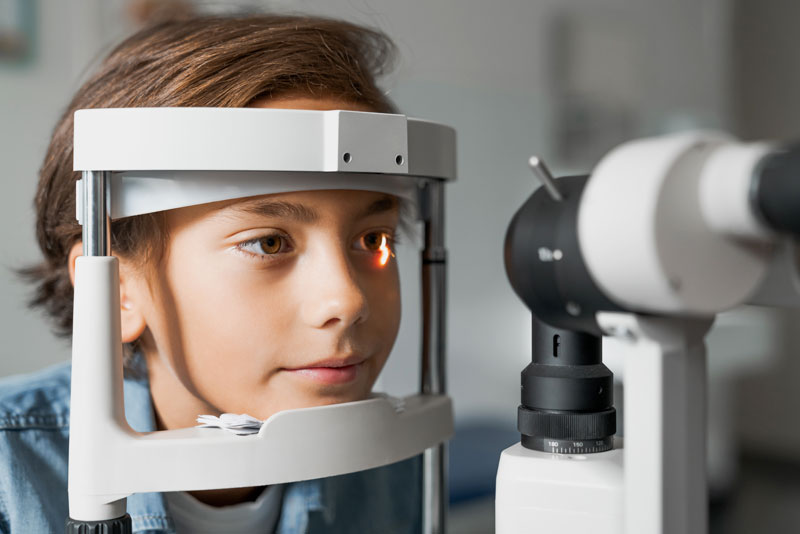
One of the most transformative elements of this initiative is the integration of telemedicine-enabled vision screening into primary care and school-based settings. Instead of requiring a referral to a distant specialist, children can be screened using validated, portable autorefractors and digital visual acuity testers operated by trained non-ophthalmic personnel.
How this works in practice:
- Schools and community health centers are equipped with FDA-approved handheld screening devices.
- Screening results are uploaded to a secure cloud-based platform.
- A remote pediatric ophthalmologist reviews the data within 24–48 hours.
- Families receive immediate feedback and a care plan, including whether an in-person examination is necessary.
Early data from pilot sites indicate that this approach has increased screening rates by over 40% in previously underserved zip codes.
2. Streamlining Diagnosis with AI-Assisted Imaging
To reduce diagnostic delays, the project incorporates artificial intelligence algorithms that analyze retinal images and refraction patterns. These tools help primary care providers differentiate between amblyopia, refractive errors, and other ocular pathologies without requiring advanced subspecialty training.
Benefits of AI integration:
- Reduces false-positive referrals, decreasing unnecessary specialist visits.
- Enables immediate risk stratification during the same clinic visit.
- Standardizes diagnostic criteria across diverse practice settings.
This technological backbone ensures that children who truly need specialist care are prioritized, while those with simple refractive issues receive appropriate glasses prescriptions on the spot.
3. Home-Based Treatment Monitoring
Perhaps the most patient-centric innovation is the shift from office-based patching therapy to home-based, gamified treatment platforms. Researchers have developed FDA-approved digital therapeutic applications that deliver binocular visual stimulation through interactive games.
Key features of the digital therapy platform:
- Adaptive gameplay that adjusts difficulty based on the child’s response.
- Built-in compliance tracking through device sensors and parent-reported logs.
- Remote monitoring dashboards that allow clinicians to track progress in real time.
- Integrated parent education modules that explain why adherence matters.
Early clinical trials published in peer-reviewed journals have shown that this approach achieves comparable—and in some cases superior—visual acuity improvements compared to traditional patching, with significantly higher adherence rates.
4. Community Health Worker Integration
Technology alone is insufficient without human connection. The project funds the training and deployment of community health workers (CHWs) who serve as cultural liaisons between families and the healthcare system. These CHWs perform home visits, assist with technology setup, provide transportation coordination, and deliver culturally tailored education about amblyopia in multiple languages.
Impact of CHW involvement:
- 30% reduction in missed appointments.
- 50% increase in treatment adherence at 6-month follow-up.
- Improved parental understanding of the chronic nature of amblyopia therapy.
What This Means for Families and Clinicians
The NIH project is not merely a research experiment; it is a prototype for a scalable, sustainable model of pediatric eye care. For clinicians, this means a shift from reactive, volume-driven care to proactive, data-informed population health management. Pediatricians, optometrists, and family medicine practitioners can now partner with ophthalmologists in a distributed care network.
For families, the practical implications are profound:
- Fewer travel burdens: Many follow-up interactions can occur through telemedicine.
- Lower costs: Home therapy reduces the need for frequent office visits.
- Faster diagnosis: School-based screening catches cases earlier.
- Empowerment: Parents have tools and knowledge to manage their child’s care.
Challenges and the Road Ahead
No project is without its hurdles. The NIH initiative is currently navigating several key challenges:
Implementation barriers include:
- Broadband access disparities in rural and tribal communities, which limit telemedicine effectiveness.
- Reimbursement uncertainty for novel digital therapeutics and remote monitoring codes.
- Data privacy concerns in cloud-based health information exchange.
- Sustainability after grant funding ends: Transitioning to insurance-covered models.
However, the NIH has structured this project with built-in dissemination frameworks, meaning that successful strategies will be compiled into toolkits for replication across other states. The long-term vision includes integrating amblyopia care into the broader pediatric medical home, where vision health is treated as a routine component of overall wellness—not a separate silo.
Why This Matters Beyond Amblyopia
The ripples of this project extend far beyond lazy eye. The strategies being tested—tele-screening, AI diagnostics, home-based digital therapeutics, and community health worker integration—are directly transferable to other pediatric chronic conditions, including strabismus, congenital cataracts, retinopathy of prematurity, and even myopia control.
Moreover, this initiative serves as a proof of concept for how public-private partnerships between NIH-funded academic centers, technology companies, and community organizations can dismantle healthcare inequities. It signals a future where a child’s zip code no longer determines their visual destiny.
Conclusion
The NIH-supported project expanding access to care for children with amblyopia is a testament to what is possible when innovation meets intentional equity-focused design. By reimagining every step of the care continuum—from screening to treatment—this initiative is transforming a silent epidemic of preventable vision loss into a manageable, accessible condition for all children.
For parents, educators, and healthcare providers alike, the message is clear: amblyopia is no longer a condition that must go untreated due to lack of access. With the right tools, training, and infrastructure, every child deserves the chance to see the world clearly.
If you are a clinician interested in implementing similar models, or a parent concerned about your child’s vision, we encourage you to reach out to your local pediatric ophthalmology department or visit the NIH’s National Eye Institute website for updated resources and referral guidelines.