Direct Selective Laser Trabeculoplasty for Glaucoma Treatment
Direct selective laser trabeculoplasty shows promise for lowering eye pressure safely and effectively, especially in untreated glaucoma patients seeking alternatives to daily eye drops.
direct selective laser trabeculoplasty glaucoma
A Faster Alternative to Traditional Laser Eye Treatment
If you’ve been diagnosed with glaucoma or ocular hypertension, your eye doctor may have mentioned several treatment paths: daily eye drops, oral medications, or laser procedures. Among these options, selective laser trabeculoplasty (SLT) has become increasingly popular since its introduction in 1995, recommended as a first-line choice by major organizations including the American Academy of Ophthalmology, the European Glaucoma Society, and the UK’s National Institute for Health and Care Excellence.
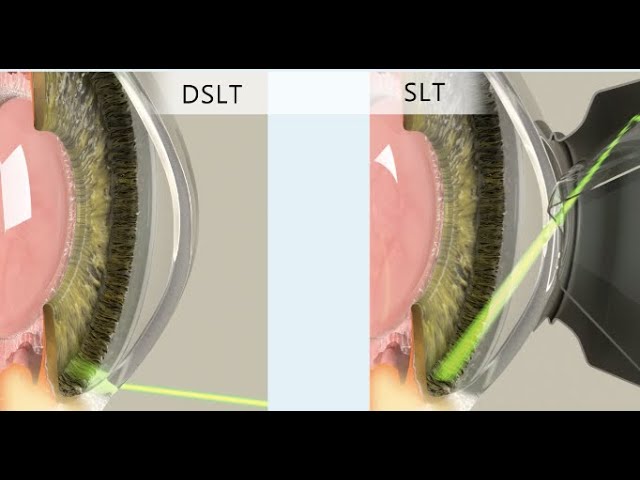
Now a newer technique called direct selective laser trabeculoplasty (DSLT) is offering patients and doctors a faster, contact-free alternative. Unlike conventional SLT, which requires a specialized lens placed directly on the eye and takes considerably longer to perform, DSLT fires laser pulses through the sclera (the white part of your eye) without any contact, completing most treatments in just a few seconds.
Understanding How DSLT Works
The key difference between DSLT and traditional SLT lies in how the laser reaches the trabecular meshwork—the drainage system in your eye responsible for fluid outflow. With conventional SLT, an ophthalmologist must use a gonioscopy lens to visualize the drainage angle directly, which requires subspecialty training and takes more time per procedure.
DSLT, delivered through the VOYAGER platform (manufactured by Alcon Laboratories Inc.), bypasses this requirement entirely. The system fires 120 laser pulses at 1.8 millijoules and 50 hertz through the eye wall near the corneal edge, guided by real-time eye tracking. This transcleral approach means there’s no need for a contact lens, and the entire procedure typically completes in a single session without specialized lens equipment.
What the Research Shows About Real-World Results
A retrospective study published in the Journal of Glaucoma examined outcomes in 218 eyes from 144 patients treated at Shaare Zedek Medical Center in Jerusalem between January 2023 and October 2024. The research, led by investigators including Goldberg and colleagues, evaluated both the safety and effectiveness of DSLT in patients with ocular hypertension (elevated eye pressure without optic nerve damage) or open-angle glaucoma (the most common form).
The findings were encouraging. At the two-month follow-up point, the average intraocular pressure (IOP) fell by 3.4 millimeters of mercury, representing a 15.57% overall reduction. More importantly, two-thirds of the treated eyes—66.97% to be exact—met the study’s definition of success, which was achieving either a 20% reduction in eye pressure or at least a 3 millimeter mercury drop without needing additional medications added to their regimen.
Treatment-Naive Eyes Show the Strongest Response
One striking finding emerged when researchers compared eyes that had never received glaucoma medication against eyes already using drops or other therapies. The 51 treatment-naive eyes in the study showed notably better outcomes than their medicated counterparts.
Eyes without prior medication achieved a 20.17% pressure reduction, with 78.43% meeting success criteria. In contrast, the 167 eyes already on glaucoma medications experienced a 14.17% pressure reduction, with 63.47% reaching the success threshold. This difference was statistically significant (P = .038), suggesting that DSLT may be particularly valuable for newly diagnosed patients who haven’t yet started medication, or potentially as an early intervention strategy.
Higher baseline eye pressure—meaning pressure measurements before treatment—was the only independent predictor of better response to DSLT. Eyes with elevated starting pressures showed greater percentage drops. Interestingly, the number of medications patients were taking did not affect how well DSLT worked, which challenges assumptions that heavily medicated eyes might respond differently.
Safety Profile and Side Effects
The safety data from this 218-eye study was reassuring for patients considering the procedure. Visual acuity remained stable across the group, with no meaningful change in vision at the two-month mark. The vast majority of treatments—93.1%—were completed in a single session, avoiding the need for repeat procedures.
The most common side effect was subconjunctival hemorrhage (bleeding under the clear membrane covering the white of the eye), which occurred in 54.6% of treated eyes. While this sounds concerning, all cases resolved on their own without intervention or lasting effects.
More significant IOP spikes—temporary pressure elevations immediately after treatment—occurred in only 1.8% of eyes. These were all managed with medication within two hours, and no serious adverse events were reported during the study period. For context, transient pressure spikes can occasionally happen with other glaucoma treatments and are typically preventable or rapidly controllable.
Who Might Benefit Most From This Procedure
Based on the research findings, DSLT appears most beneficial for certain patient populations. Those with newly diagnosed glaucoma or ocular hypertension who haven’t yet started medications seem to experience the greatest benefit. Patients with higher baseline eye pressures also tend to see more substantial reductions.
The procedure may particularly appeal to patients who struggle with conventional SLT—either because they have difficulty tolerating the contact lens required for traditional treatment, or because they live in areas with limited access to subspecialists trained in gonioscopy-guided laser procedures. The speed and ease of DSLT could make it more practical in such settings.
The study included patients with different glaucoma subtypes and both phakic eyes (those with a natural lens) and pseudophakic eyes (those with an artificial lens from cataract surgery), and success rates were consistent across these groups.
Important Study Limitations to Consider
While promising, this research had several limitations worth understanding. The study was retrospective and involved only a single treatment center, which means selection bias may have influenced which patients received DSLT. Most participants were already using glaucoma medications, which may have suppressed their baseline eye pressures and potentially limited how much additional benefit DSLT could provide.
Eyes with a history of glaucoma surgery or angle-closure glaucoma were excluded from the analysis, so we don’t yet know how DSLT performs in these populations. Follow-up was limited to two months, so longer-term durability remains to be established. All treatments used the same fixed laser energy rather than individualized settings based on each eye’s characteristics.
What This Means for Glaucoma Treatment Strategy
The investigators suggest DSLT holds promise as a tool in the broader glaucoma management approach. The combination of speed, lack of contact with the eye, and reasonable safety profile could make it attractive for initial treatment in appropriate candidates. However, larger, longer prospective trials are needed to define where DSLT fits within treatment algorithms and to compare its long-term outcomes directly against conventional SLT.
Six-year data from the LiGHT study previously demonstrated that using SLT early in glaucoma care reduced the need for incisional surgery later, suggesting that laser procedures generally have an important role in preventing disease progression.
When to Discuss This With Your Eye Doctor
If you’ve recently been diagnosed with glaucoma or ocular hypertension, or if you’re struggling to tolerate eye drops, ask your ophthalmologist whether DSLT might be an option for your situation. Your eye doctor can evaluate your specific type of glaucoma, your eye anatomy, and your treatment goals to determine if this procedure is appropriate.
Schedule an appointment if you experience symptoms like blurred vision, eye pain, halos around lights, or if you have family members with glaucoma. Regular eye pressure screening becomes increasingly important as you age or if you have risk factors like elevated eye pressure, family history of glaucoma, or African descent ancestry. Early detection and treatment—whether through medications, laser procedures, or surgery—offer the best chance of preserving your vision long-term.