Eye Care Hub in Muntinlupa Supports Vision Health
Discover comprehensive eye care services in Muntinlupa designed to protect and maintain your long-term vision health with advanced diagnostics and expert care.
eye care hub Muntinlupa
When Blurry Vision Becomes Your Daily Reality
You’re squinting at your phone screen again, wondering if you need to adjust the brightness or if something’s wrong with your eyes. Maybe you’ve noticed halos around streetlights during your evening commute, or perhaps your eyes feel unusually dry by mid-afternoon despite staying indoors. These aren’t just minor inconveniences—they’re often your eyes signaling that something needs attention.
Vision problems don’t announce themselves loudly. They creep in gradually, and many people adjust without realizing their eyesight has changed until a significant shift occurs. This is precisely why having access to reliable, comprehensive eye care close to home matters so much.
Understanding Modern Eye Health Challenges
Today’s lifestyle puts unprecedented strain on our visual system. Prolonged screen time, air pollution, and increased UV exposure compound the natural aging process of the eyes. Even younger individuals now experience symptoms once considered age-related, like digital eye strain and presbyopia.
The challenge isn’t just correcting refractive errors like myopia or astigmatism. Modern eye care involves detecting underlying conditions that threaten long-term vision—conditions like glaucoma, cataracts, diabetic retinopathy, and age-related macular degeneration. Many of these develop silently without noticeable symptoms until significant damage has occurred.
What Makes a Comprehensive Eye Care Hub Different
A specialized eye care hub differs fundamentally from a typical optical shop or general clinic. These facilities combine diagnostic technology with qualified eye care professionals trained to identify not just vision correction needs but also systemic eye diseases.
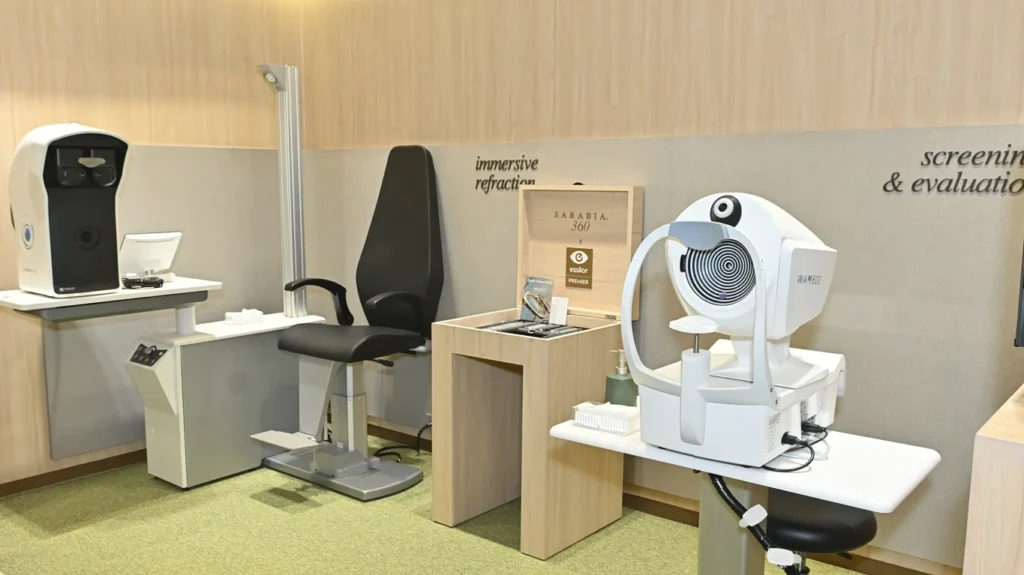
Comprehensive hubs typically offer diagnostic tests like tonometry (which measures intraocular pressure for glaucoma screening), optical coherence tomography (OCT) for detailed retinal imaging, visual field testing to assess peripheral vision, and gonioscopy for angle evaluation in glaucoma suspects. They may also provide services ranging from routine refraction to management of chronic eye conditions.
Advanced Diagnostic Capabilities You Should Know About
Modern eye care facilities use technology that was confined to hospitals just a decade ago. Digital retinal imaging allows eye doctors to photograph your retina and detect early signs of conditions like diabetic eye disease or hypertensive retinopathy without dilating your pupils.
Automated refraction technology determines your exact prescription needs with precision, while corneal topography maps the surface of your cornea to check for irregular astigmatism or keratoconus. These tools don’t replace the expertise of the eye care professional—they enhance it by providing detailed, objective data about your eye health.
For patients with conditions requiring close monitoring, facilities offering these services can track subtle changes over time, enabling early intervention before vision loss occurs.
Who Benefits Most From Specialized Eye Care
Certain populations need structured eye care more than others. People with diabetes face significantly higher risk for diabetic retinopathy, a leading cause of vision loss in working-age adults. Individuals over 40 should have baseline glaucoma screening since risk increases with age.
Those with family histories of eye disease—particularly glaucoma or macular degeneration—benefit from regular comprehensive exams and genetic risk assessment. People taking medications that affect vision, such as certain antihistamines or steroids, also need periodic monitoring.
Additionally, individuals with high myopia or hyperopia, those who’ve had eye surgery, and contact lens wearers require professional oversight to prevent complications. Even children benefit from structured eye care to detect conditions like amblyopia (lazy eye) or strabismus during critical developmental windows.
The Preventive Care Approach to Vision
Think of eye care like dental care—prevention is far more effective than treatment. Regular comprehensive eye exams catch problems at stages when interventions can halt or slow progression. For glaucoma specifically, early detection through routine tonometry and visual field testing may prevent irreversible blindness.
Specialized eye care hubs emphasize patient education about modifiable risk factors. Protecting your eyes from UV exposure through quality sunglasses, managing systemic conditions like blood pressure and blood sugar, maintaining a nutrient-rich diet, and following proper screen time habits all contribute to long-term vision preservation.
These facilities typically provide counseling about lifestyle adjustments, proper contact lens hygiene, and warning signs that warrant urgent attention.
Common Eye Conditions Detected During Comprehensive Exams
Refractive errors like myopia, hyperopia, and astigmatism remain the most common vision problems. However, many patients discover other conditions during routine exams they didn’t know they had.
Presbyopia—the age-related difficulty focusing on near objects—typically emerges around age 40 and affects nearly everyone eventually. Dry eye disease, increasingly common with digital device use and indoor living, can significantly impact quality of life if unmanaged.
Cataracts develop slowly in many older adults, often progressing unnoticed until they affect driving safety. Floaters and flashes—though often harmless—sometimes indicate retinal problems requiring assessment. Early detection of age-related macular degeneration through imaging can enable treatments that preserve central vision.
When to Schedule a Routine Eye Exam
General guidelines suggest adults aged 18 to 60 with no vision problems or disease risk factors have comprehensive eye exams every two years. Those over 60, people with diabetes or family histories of eye disease, or those taking medications affecting vision should have annual exams.
Anyone experiencing vision changes, new floaters, flashes of light, eye pain, or halos around lights should schedule an appointment promptly rather than waiting for their next routine visit.
When to Seek Urgent Eye Care
Certain eye emergencies require immediate attention. Sudden vision loss, sudden eye pain, trauma to the eye, chemical exposure, or a sensation that something is stuck in the eye all warrant urgent evaluation.
Flashing lights combined with a sudden shower of floaters, a shadow or curtain moving across your visual field, or eye redness with discharge should be assessed quickly. These symptoms may indicate retinal detachment, uveitis, or other serious conditions requiring prompt diagnosis and treatment.
Making Eye Care Part of Your Health Routine
Treating eye care as seriously as you treat other health aspects means scheduling regular exams before problems emerge. Having a dedicated eye care hub nearby removes barriers to consistent care.
Start by scheduling a comprehensive baseline exam if you haven’t had one recently. During this visit, discuss your personal and family eye health history, any symptoms you’ve noticed, and your risk factors. Based on findings, your eye care professional will recommend an appropriate monitoring schedule.
Monitor your own vision between visits—notice changes in clarity, comfort, or visual symptoms. Track how your eyes respond to different lighting, screen time, and seasonal changes. Bring this information to your next appointment, as it helps your eye care provider understand your individual needs better.