Free NHS Eye Exams for Over 60s Explained
Learn about free NHS eye tests for older adults, glaucoma screening, and how to access your entitlements today.
NHS eye exams over 60s
Understanding Your Eye Health Rights After 60
Reaching your 60s brings many changes, and your eyes are no exception. Vision naturally shifts with age, and certain eye conditions become more common. What many people don’t realize is that the NHS offers free eye examinations specifically designed for older adults—a benefit that can catch serious eye diseases before they cause permanent damage.
Glaucoma UK recently highlighted this important entitlement, reminding older adults that they shouldn’t overlook regular eye care. The organization emphasizes that knowing your rights to free screening could literally protect your sight for years to come.
What Makes Eye Exams Critical After 60
Your risk for several eye conditions rises significantly after age 60. Glaucoma, cataracts, age-related macular degeneration, and diabetic retinopathy all become more prevalent in this age group. The challenge is that many of these conditions develop gradually with few noticeable symptoms in their early stages.
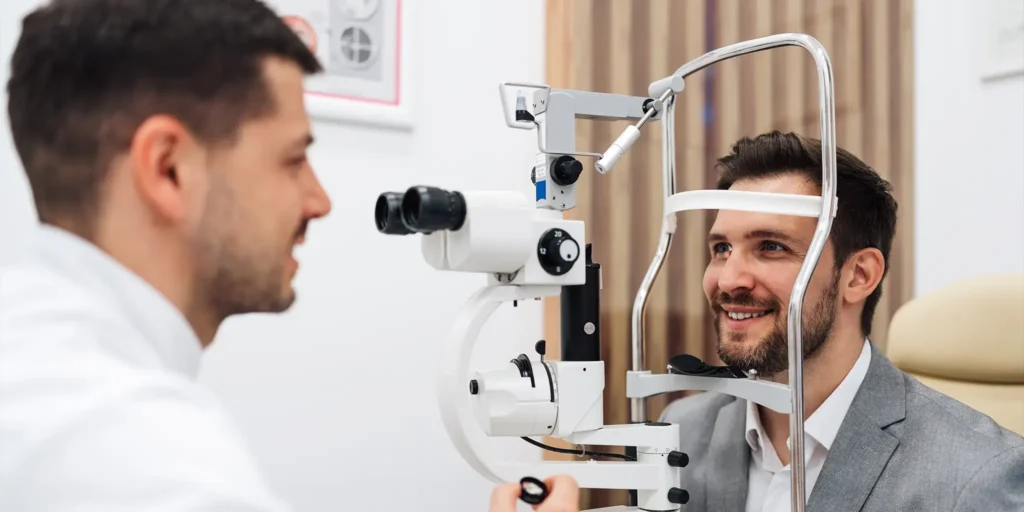
During a comprehensive eye examination, your optometrist performs several tests to evaluate your eye health. Tonometry measures the pressure inside your eye, which is crucial for detecting glaucoma. Your eye professional may also check your visual fields to spot any blind spots and examine the back of your eye using specialized equipment.
These screenings matter because they can identify problems when treatment is most effective. Catching glaucoma early, for instance, can prevent vision loss that would otherwise be irreversible.
Free NHS Eye Tests for Over 60s
If you’re aged 60 or over, you’re entitled to a free NHS eye test. This isn’t a basic vision check—it’s a thorough examination that typically lasts 20 to 30 minutes and includes assessment of your eye health, not just whether you need glasses.
The free test covers screening for age-related conditions, pressure checks, and evaluation of your eye’s structures. If your optometrist suspects a problem, they can refer you to hospital eye services for further investigation at no cost.
Many people assume they need to pay for eye care or that it’s complicated to access. In reality, you can simply visit any optician offering NHS services and book an appointment. There’s no need for a referral from your GP, though your doctor can refer you if you have specific concerns.
Glaucoma: The Silent Vision Thief
Glaucoma stands out as a particular concern for older adults. It’s often called the “silent thief of sight” because it typically causes no pain or obvious symptoms until significant damage has already occurred. By the time most people notice vision loss, irreversible damage has likely taken place.
The condition develops when pressure builds up inside the eye, damaging the optic nerve. Risk factors include age over 60, family history of glaucoma, higher eye pressure, and certain medical conditions like diabetes. People of African and Caribbean descent also face higher risk.
During an eye test, your optometrist measures eye pressure and may perform gonioscopy, a test that allows them to see the drainage angle of your eye where fluid normally flows out. If they detect elevated pressure or other warning signs, they’ll refer you for specialist assessment.
Why Some People Miss These Free Appointments
Despite the availability of free eye tests, many over 60s don’t take advantage. Some assume their vision is fine and don’t see the point. Others might feel embarrassed about eye care or simply forget about regular checkups.
The reality is that you can feel perfectly fine while serious eye disease develops silently. Vision loss from glaucoma or macular degeneration often goes unnoticed until it becomes severe because our brain compensates for gradual changes in peripheral or central vision.
Making regular eye exams a habit—at least every two years if you’re over 60, or annually if your optometrist recommends it—removes the guesswork and gives you early warning of any problems.
What to Expect During Your NHS Eye Examination
Your eye test will typically begin with questions about your medical history, current medications, and any vision concerns. This information helps your optometrist understand your risk factors and what to focus on during the examination.
You’ll likely read letters on a chart to check visual acuity, and your eye pressure will be measured using tonometry. Modern tonometers often use a gentle air puff method that doesn’t touch your eye. Your optometrist will also dilate your pupils using drops to examine the back of your eye, including the optic nerve and retina.
Color vision and contrast sensitivity may be assessed, particularly important for identifying macular degeneration. Your optometrist will also check how your eyes work together and whether you have any signs of cataracts or other lens changes.
The whole process is non-invasive and painless, though the dilating drops can cause temporary blurred vision and light sensitivity for a few hours afterward.
When to See a Doctor: Warning Signs to Watch For
While regular eye tests catch many conditions early, certain symptoms warrant urgent attention. Seek immediate care if you experience sudden vision loss, eye pain, sudden floaters or flashing lights, or a shadow or curtain moving across your field of vision. These can indicate serious problems requiring prompt treatment.
Other symptoms worth mentioning at your next eye appointment include gradual blurring, difficulty with night driving, colors appearing less vibrant, or halos around lights. Don’t wait if you notice these changes—contact your optician or GP sooner rather than waiting for your scheduled test.
Making the Most of Your NHS Entitlement
Your free NHS eye test includes the examination itself, but glasses or contact lenses aren’t free for all adults. However, if you’re eligible for certain benefits or income-related help, you may qualify for subsidized or free eyewear. Your optician can advise you on this.
After your test, if your optometrist finds anything concerning, any follow-up care through the NHS is provided free of charge. This means specialist referrals, additional tests, and treatments are all covered.
Taking Action: Your Next Steps
If you’re over 60 and haven’t had an eye test recently, it’s time to book one. Contact your local optician and ask about their NHS eye examination services. Many practices can fit you in within a few weeks.
Don’t assume your eyesight is fine just because you feel well. Serious eye conditions like glaucoma develop without symptoms, and early detection makes all the difference in preserving your vision long-term. Your eyes deserve the same attention you’d give any other aspect of your health, and the NHS has made it easy and free to get professional care.