Glaucoma Vision Act of 2026: What You Need to Know
Rep. Frederica Wilson’s new legislation aims to improve glaucoma screening and access to treatment for all Americans facing vision loss risks.
glaucoma vision act
Understanding Glaucoma: A Silent Threat to Your Vision
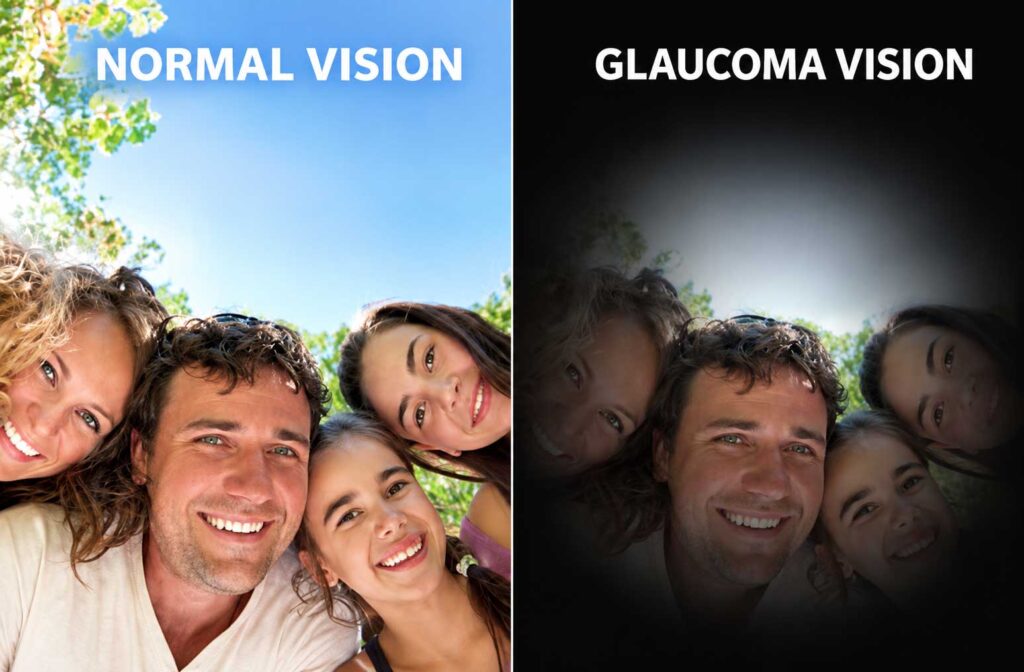
You’re reading a book or watching your favorite show when you notice something odd—your peripheral vision seems a bit fuzzy. You might dismiss it as tiredness or age, but this subtle change could signal something serious happening inside your eyes. Glaucoma is often called the “silent thief of sight” because it can progress without any warning signs or pain until significant vision loss has already occurred.
Glaucoma develops when fluid pressure inside the eye builds up over time, damaging the optic nerve. This nerve is responsible for transmitting visual information from your eye to your brain. Once optic nerve damage happens, it’s permanent—but the condition can be managed effectively if caught early enough.
Why Early Detection Matters
Most people don’t realize they have glaucoma until irreversible damage has occurred. Studies show that nearly half of Americans with glaucoma don’t know they have it. This is why screening and early intervention are absolutely critical to preserving your vision long-term.
When you visit an eye doctor for a comprehensive exam, they typically use a test called tonometry to measure the fluid pressure in your eyes. This painless test involves either a small puff of air or a gentle probe that touches your eye after numbing drops have been applied. Doctors may also perform gonioscopy, where they use a special lens to examine the drainage angle of your eye in greater detail.
Regular eye exams can catch glaucoma before symptoms appear, making treatment far more effective at slowing or halting vision loss.
Who’s at Higher Risk for Glaucoma
Certain groups of people face elevated risk for developing glaucoma. Age plays a significant role—people over 60 are much more likely to develop the condition. African Americans and Hispanics also experience higher rates of glaucoma and tend to develop it at younger ages than Caucasians.
Family history matters too. If your parents, siblings, or grandparents have glaucoma, your risk increases substantially. People with high eye pressure, thin corneas, or a history of eye injury should also be monitored closely by their eye care providers.
Additionally, individuals with certain medical conditions like diabetes, high blood pressure, or heart disease face increased glaucoma risk. If you fall into any of these categories, regular screening becomes even more important for protecting your vision.
Rep. Federica Wilson’s Vision for Better Glaucoma Care
Representative Frederica Wilson has introduced the Glaucoma Vision Act of 2026 to address growing concerns about glaucoma detection and treatment disparities across America. This legislation represents an important step toward ensuring that all Americans, regardless of their geographic location or economic status, have access to quality glaucoma screening and care.
The initiative focuses on expanding glaucoma awareness and improving access to comprehensive eye exams. Many Americans—particularly in rural and underserved areas—lack regular access to comprehensive ophthalmologic care. The act aims to bridge this gap by supporting screening programs and patient education initiatives nationwide.
By introducing this legislation, Representative Wilson is responding to a genuine public health crisis. Glaucoma affects more than 3 million Americans, yet many remain undiagnosed. The condition accounts for thousands of cases of preventable blindness each year, making it one of the leading causes of irreversible vision loss in the United States.
What the Legislation Targets
The Glaucoma Vision Act focuses on several key areas that could significantly improve outcomes for at-risk populations. The bill emphasizes the importance of regular screening for high-risk groups, including African Americans and older adults who statistically face higher incidence rates.
Educational components are also central to the legislation. Many people simply don’t know they should be screened for glaucoma or understand their personal risk factors. Public awareness campaigns can help encourage regular eye exams before problems develop.
The act also addresses healthcare provider training and certification. Ensuring that eye care professionals stay current with the latest screening technologies and diagnostic approaches helps maintain consistent, high-quality care across all treatment settings.
The Importance of Accessible Eye Care
One of the biggest barriers to glaucoma detection is simply getting regular eye exams. In many communities, qualified ophthalmologists and optometrists are scarce. Rural areas and low-income neighborhoods often lack adequate eye care services, leaving residents without access to the screening that could save their vision.
Legislation like the Glaucoma Vision Act helps address these systemic gaps by funding screening programs and supporting healthcare infrastructure in underserved areas. When people can’t easily access comprehensive eye exams, glaucoma progresses undetected until permanent damage occurs.
Improving access to care means more people will receive timely diagnosis and treatment, ultimately preventing unnecessary vision loss across the country.
What You Can Do Right Now
Don’t wait for new legislation to take effect to protect your vision. If you’re over 40, have a family history of glaucoma, or belong to a higher-risk group, schedule a comprehensive eye exam with an ophthalmologist or optometrist as soon as possible.
During your appointment, specifically ask about glaucoma screening. Make sure your eye pressure is measured and that your optic nerve is examined carefully. If you have elevated eye pressure but no nerve damage yet, your doctor may recommend monitoring or preventive treatment options.
Keep track of your eye health history and share this information with family members. If you’re diagnosed with glaucoma, stick to your treatment plan and attend all follow-up appointments. Consistent management can halt progression and preserve your remaining vision.
When to Seek Immediate Medical Attention
While most glaucoma develops gradually without symptoms, acute angle-closure glaucoma is a medical emergency. Seek urgent care immediately if you experience sudden eye pain, blurred vision, halos around lights, redness in the white of your eye, or nausea and vomiting alongside eye symptoms.
These signs indicate a rapid spike in eye pressure that requires emergency treatment within hours to prevent permanent vision loss. Don’t delay seeking help if you experience these symptoms.
Looking Forward to Better Vision Protection
Representative Federica Wilson’s Glaucoma Vision Act represents meaningful progress toward a healthcare system where glaucoma screening is accessible to everyone who needs it. By expanding awareness, improving access to care, and supporting provider education, this legislation could prevent thousands of cases of preventable blindness.
Your vision is precious and often taken for granted until it’s threatened. Take the first step today by scheduling that comprehensive eye exam. Regular screening is the most effective way to catch glaucoma early and preserve your sight for decades to come.