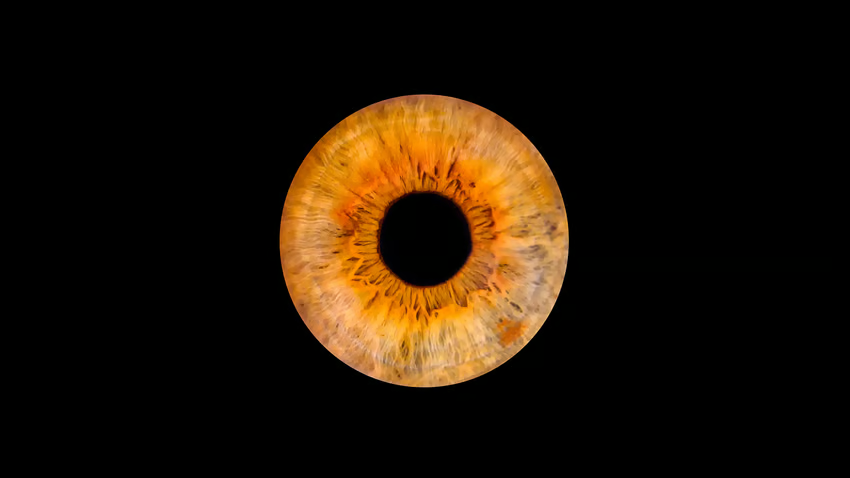
Pseudoexfoliation Syndrome: Kashmir’s Hidden Eye Health Threat
Pseudoexfoliation syndrome poses serious vision risks in Kashmir. Learn symptoms, screening, and why early detection matters for eye health.
pseudoexfoliation syndrome Kashmir
When Vision Loss Creeps In Quietly
You’re reading a newspaper, and the text seems slightly blurry. You blink, assuming it’s fatigue from a long day. The next week, you notice your eyes feel tired more often, and bright lights seem harsh. These small changes might feel insignificant, but for many people in Kashmir, they could signal the beginning of pseudoexfoliation syndrome—a condition that silently damages eye health without obvious early warning signs.
Pseudoexfoliation syndrome (PXF) is not a household name like cataracts or diabetes, yet it affects millions worldwide and poses particular challenges in certain geographic regions, including Kashmir. Understanding this condition is crucial because early detection can prevent serious complications, including vision loss.
What Is Pseudoexfoliation Syndrome?
Pseudoexfoliation is an age-related condition where abnormal gray-white material accumulates on the surface of the lens inside your eye. Despite its name, this material isn’t actually the lens peeling away—it’s a buildup of protein-like deposits that form on various structures within the eye.
The condition typically appears in people over 50, though it can develop earlier. It’s more common in certain populations, with geographic variation suggesting genetic and environmental factors play important roles. In Kashmir, the prevalence of pseudoexfoliation appears higher than in many other regions, making awareness and screening particularly important for local populations.
The deposits accumulate on the lens surface, in the lens capsule, and throughout the anterior segment of the eye. Over time, these deposits can migrate into the eye’s drainage system, creating a cascade of problems that may eventually lead to glaucoma.
Why Kashmir Needs to Pay Attention
Studies have identified pseudoexfoliation syndrome as more prevalent in certain geographic populations, with higher rates reported in Kashmir compared to other parts of India. This geographic clustering suggests that residents of Kashmir face elevated risk, making population-level awareness essential.
The reasons for this geographic variation aren’t fully understood. Researchers consider genetic factors, environmental exposure, lifestyle elements, and possibly dietary components. Regardless of the underlying cause, the practical outcome is clear: Kashmiris should be more vigilant about eye health screening, especially as they age.
Limited awareness about pseudoexfoliation in Kashmir means many people don’t seek preventive eye care until vision problems become noticeable. By that point, significant damage may have already occurred.
How Pseudoexfoliation Leads to Vision Problems
The real danger of pseudoexfoliation emerges when the deposits affect eye pressure and lens stability. The most serious consequence is a significantly increased risk of developing glaucoma—a disease where elevated intraocular pressure damages the optic nerve, potentially causing permanent vision loss.
People with pseudoexfoliation syndrome have a much higher likelihood of developing glaucoma compared to those without the condition. Studies suggest that pseudoexfoliation-related glaucoma progresses more rapidly and is more difficult to manage than primary open-angle glaucoma alone.
Beyond glaucoma risk, the deposits can affect lens clarity, potentially contributing to cataract formation. The lens material becomes less stable, and deposits can interfere with the normal lens proteins. Some people experience phacodonesis—a subtle wobbling or movement of the lens—which can cause visual disturbances and complicate any future eye surgery.
Recognizing Symptoms and Early Signs
Pseudoexfoliation doesn’t announce itself with dramatic symptoms. Many people have no symptoms at all, discovering the condition only during routine eye exams. However, some individuals report gradual vision changes that might include blurred or hazy vision, difficulty focusing, or trouble seeing at night.
Glare sensitivity is common, especially in bright sunlight or when driving at night with oncoming headlights. You might notice that colors seem less vibrant than before, or that you need more light to read comfortably.
The tricky aspect is that these symptoms often develop so gradually that people attribute them to normal aging rather than a medical condition. By the time symptoms become obvious enough to prompt a doctor’s visit, the condition may be moderately advanced.
How Eye Doctors Detect Pseudoexfoliation
Detecting pseudoexfoliation requires a thorough eye examination performed by an ophthalmologist or optometrist. During a dilated eye exam, doctors look directly at the lens through specialized equipment and can visualize the characteristic white, fluffy material on the lens surface.
Your eye care provider will also measure intraocular pressure using tonometry, a quick test that assesses the fluid pressure inside your eye. Elevated pressure is a red flag for glaucoma development.
Gonioscopy—an examination using a special lens that allows doctors to view the eye’s drainage system—helps assess how affected the drainage structures are. This is particularly important because deposits blocking the drainage system directly increase glaucoma risk.
Optical coherence tomography (OCT) imaging and visual field testing may be recommended to monitor the optic nerve and detect any early damage. These tests create a baseline for tracking changes over time.
Why Early Detection Matters
Finding pseudoexfoliation before glaucoma develops allows doctors to monitor eye pressure closely and intervene before vision loss occurs. Regular check-ups can catch pressure elevation early, when treatment options are most effective.
People with pseudoexfoliation need more frequent eye pressure monitoring than those without the condition. Annual or even more frequent visits may be recommended, depending on individual risk factors and any signs of pressure elevation.
If glaucoma does develop, catching it in early stages means you have more treatment options and better chances of preserving vision. Advanced glaucoma causes irreversible vision loss, making prevention through early detection genuinely life-changing.
Living With Pseudoexfoliation: Management and Monitoring
If you’re diagnosed with pseudoexfoliation, your primary focus shifts to preventing glaucoma development. This means regular eye pressure monitoring, consistent eye care visits, and lifestyle measures that support overall eye health.
Protecting your eyes from UV damage becomes important. Wearing sunglasses with UV protection and a wide-brimmed hat when outdoors helps reduce oxidative stress in the eye. This won’t reverse pseudoexfoliation, but it supports overall eye health.
Managing general health conditions like diabetes and high blood pressure also matters, as these can compound eye health risks. Maintaining good nutrition, staying physically active, and avoiding smoking all contribute to better eye health outcomes.
When to See an Eye Doctor
If you’re over 50 and live in Kashmir, scheduling a comprehensive eye examination should be a priority, even without symptoms. This is especially important if you have family members with glaucoma or pseudoexfoliation.
Seek immediate attention if you experience sudden vision changes, severe eye pain, halos around lights, or redness with discomfort. These could indicate acute glaucoma, a medical emergency requiring urgent treatment.
If you’ve already been diagnosed with pseudoexfoliation, stick to your recommended appointment schedule. Don’t skip follow-up visits, even when your eyes feel fine. Regular monitoring is the cornerstone of preventing vision loss.
Moving Forward With Eye Health
Pseudoexfoliation remains largely unknown despite its significance, particularly for Kashmiri populations at higher risk. Raising awareness in your community about the importance of regular eye screening can genuinely help prevent vision loss in others.
Schedule a comprehensive eye examination with an ophthalmologist today. During this visit, specifically ask whether you show any signs of pseudoexfoliation. Bring your eye pressure readings and any family history of glaucoma to the appointment. Your eye doctor can then determine an appropriate monitoring schedule based on your individual findings and risk factors.