SLT vs DSLT: Comparing Laser Glaucoma Treatment Outcomes
New research reveals how selective and diode laser treatments compare for glaucoma management over six months of patient care.
laser glaucoma treatment
Understanding Two Advanced Laser Treatments for Glaucoma
If you’ve recently been diagnosed with glaucoma, your eye doctor may have mentioned laser treatment as an option alongside or instead of medication. Two procedures that generate considerable clinical interest are Selective Laser Trabeculoplasty (SLT) and Diode Laser Cyclophotocoagulation (DSLT). Understanding how these treatments work and what outcomes patients typically experience can help you make informed decisions about your eye care.
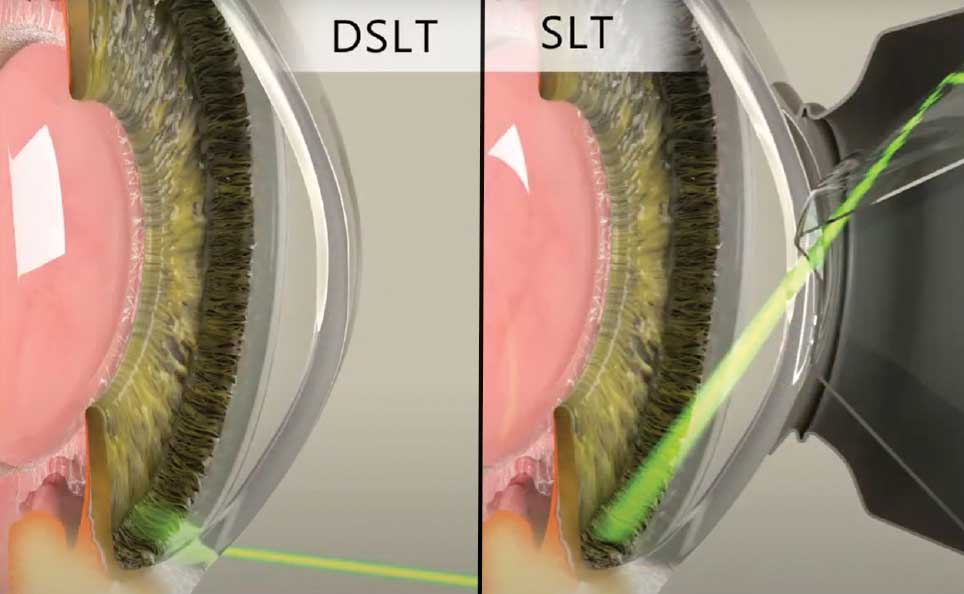
Both procedures target elevated intraocular pressure—the hallmark problem in glaucoma—but they work through different mechanisms. SLT focuses on the eye’s drainage system, while DSLT addresses the tissue that produces fluid inside the eye. Recent research comparing these approaches over a six-month period provides valuable insights into their relative effectiveness and safety profiles.
What Is Selective Laser Trabeculoplasty (SLT)?
SLT uses a 532-nanometer frequency-doubled Nd:YAG laser to target melanin-containing cells in the trabecular meshwork—the eye’s primary drainage pathway. The “selective” aspect means the laser only affects pigmented cells while leaving surrounding tissue largely untouched, which reduces inflammation compared to older laser approaches.
During an SLT procedure, your eye doctor typically applies anesthetic drops and uses a special lens to direct the laser beam precisely onto the trabecular meshwork. The treatment usually takes 10 to 15 minutes, and patients can return to normal activities immediately afterward. The exact mechanism by which SLT lowers intraocular pressure involves triggering a biological response that improves drainage efficiency through the trabecular meshwork.
One significant advantage of SLT is that it can be repeated if pressure reduction diminishes over time. This repeatability makes it particularly useful for patients seeking alternatives to long-term medication or those who cannot tolerate glaucoma medications.
Understanding Diode Laser Cyclophotocoagulation (DSLT)
Diode laser cyclophotocoagulation takes a different approach by targeting the ciliary body—the tissue responsible for aqueous humor production. The diode laser, typically operating at 810 nanometers in the infrared spectrum, creates small burns in the ciliary epithelium. This reduces the amount of fluid the eye produces, which directly lowers intraocular pressure.
DSLT is often considered when other treatments have failed or when patients have advanced glaucoma with significant visual field damage. The procedure involves careful application of the laser to avoid excessive tissue destruction, which could lead to complications like chronic inflammation or phthisis (permanent shrinkage of the eye).
Unlike SLT, DSLT is typically not repeated multiple times due to concerns about cumulative tissue damage. It represents a more definitive intervention, sometimes called a bridge procedure when patients are awaiting or unable to tolerate conventional surgery.
Six-Month Outcomes: What the Research Shows
Comparative studies examining both procedures over a six-month period help clinicians understand which patients benefit most from each approach. These studies typically measure several outcomes including intraocular pressure reduction, visual acuity changes, and adverse events.
SLT generally produces more modest but consistent pressure reductions—typically ranging from 20 to 30 percent in responsive patients. The effect may gradually diminish over several years, but many patients maintain meaningful pressure reduction for extended periods. Importantly, SLT can often be repeated to restore efficacy if pressure begins rising again.
DSLT tends to produce larger absolute pressure reductions in many cases, particularly beneficial for patients with very elevated pressures or advanced glaucomatous damage. However, the procedure carries higher risks of postoperative inflammation and potential complications affecting other parts of the eye, including the lens and retina.
Side Effects and Complications During the First Six Months
SLT patients typically experience minimal discomfort during and after treatment. Some report mild eye irritation or a temporary sensation of pressure during the procedure. Inflammatory response is generally mild, though doctors often prescribe anti-inflammatory eye drops for several days afterward. Serious complications remain rare, occurring in less than 1 percent of treated eyes.
DSLT carries a higher risk profile. Patients commonly experience significant inflammation in the days following treatment, requiring more intensive anti-inflammatory therapy. Some patients develop transient vision blurring, increased redness, or discomfort. More serious complications can include elevated intraocular pressure spikes in the first weeks after treatment, cataract formation over time, or phthisical changes in the eye if excessive damage occurs.
The six-month observation window is critical because most complications either resolve or become apparent during this timeframe. This is why ophthalmologists monitor treated patients closely during the first few weeks and months following either procedure.
Who Benefits Most From Each Procedure?
SLT works particularly well for patients with mild to moderate open-angle glaucoma who seek to reduce medication burden or cannot tolerate glaucoma drugs due to side effects. It’s also appropriate as a first-line laser treatment and for patients who want a reversible or repeatable option. Insurance coverage and guidelines increasingly support SLT as an early intervention option.
DSLT tends to be reserved for more advanced cases, eyes that have failed other interventions, or situations where maximum pressure reduction is urgently needed. It may be considered for patients with angle-closure glaucoma, secondary glaucoma forms, or those approaching or already experiencing significant visual field loss. The procedure becomes more attractive when the potential benefit of dramatic pressure reduction outweighs the increased risk of complications.
Recovery and Follow-Up Care
SLT patients typically resume all normal activities immediately, though they should use prescribed anti-inflammatory drops as directed. Follow-up appointments usually occur at one to two weeks, then monthly for the first three months to assess pressure response. Most patients know whether they’ll respond well to SLT within the first four to six weeks.
DSLT requires more cautious postoperative management. Anti-inflammatory drops are essential, and patients must watch carefully for signs of complications. Follow-up visits are more frequent during the first month. The pressure-lowering effect may take several weeks to fully manifest, and patients need ongoing monitoring to ensure the eye isn’t developing secondary problems like inflammation-related pressure spikes.
When to See Your Eye Doctor
If you’ve been diagnosed with glaucoma or suspect you might have it, schedule an appointment with an ophthalmologist to discuss your specific situation. Risk factors include elevated intraocular pressure readings, family history of glaucoma, age over 60, African or Hispanic ancestry, myopia, or diabetes.
After laser treatment, contact your eye doctor immediately if you experience severe eye pain, sudden vision loss, persistent redness beyond the expected postoperative period, or signs of infection. Don’t wait for your scheduled follow-up if these symptoms occur.
Moving Forward With Your Glaucoma Care
Whether you’re considering SLT, DSLT, or other glaucoma management options, the key is working closely with your ophthalmologist to understand your specific diagnosis, pressure targets, and treatment timeline. The six-month comparison data shows both procedures have legitimate roles in modern glaucoma care—the best choice depends on your individual disease severity, previous treatments, and personal preferences regarding risk and reversibility.
Schedule a consultation with your eye care provider to discuss which approach aligns with your clinical needs and life circumstances.