Sight Sciences to Showcase Glaucoma and Dry Eye Innovations at ASCRS 2026
The landscape of ophthalmic care is poised for a significant update as Sight Sciences, Inc. prepares to take center stage at the upcoming 2026 American Society of Cataract and Refractive Surgery (ASCRS) Annual Meeting. The company has announced that its portfolio of interventional technologies for two of the most prevalent and challenging ocular conditions—glaucoma and dry eye disease (DED)—will be featured in multiple clinical presentations. This prominent platform underscores the growing body of evidence and clinical adoption surrounding their minimally invasive, device-based approaches to eye care.
For ophthalmologists and anterior segment surgeons, ASCRS serves as the premier venue for discovering the latest advancements that can transform patient outcomes. Sight Sciences’ scheduled presentations promise to deliver compelling data and insights, reinforcing the role of their technologies in modern treatment paradigms that prioritize preserving natural anatomy, reducing medication burden, and improving patient quality of life.
Revolutionizing Glaucoma Management: The OMNI® Surgical System
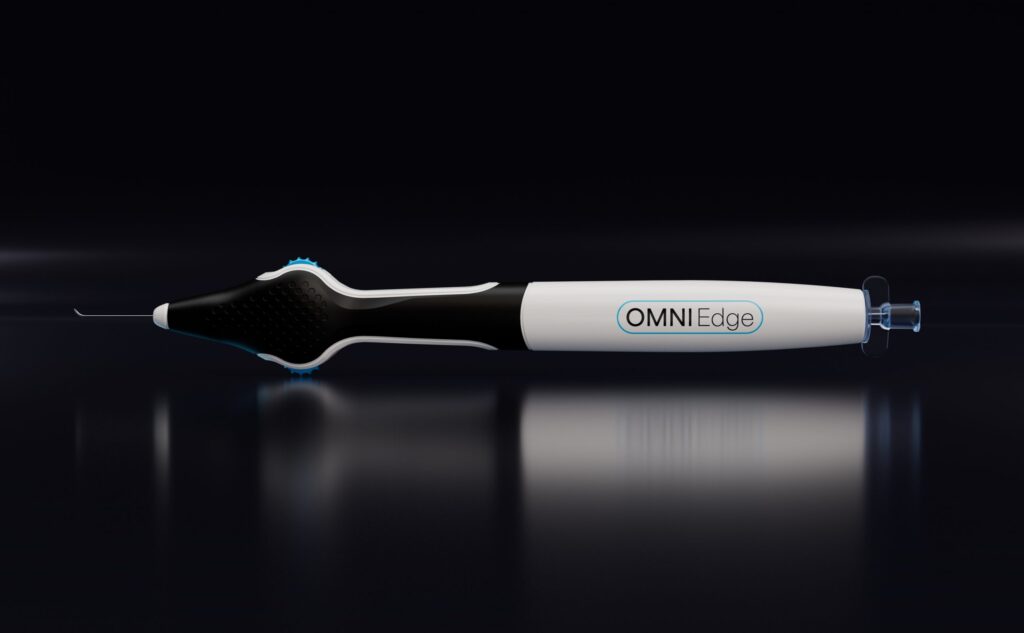
Glaucoma, a leading cause of irreversible blindness, has long been managed through a stepped approach of medications, laser therapy, and eventually invasive filtration surgeries. Sight Sciences’ OMNI® Surgical System represents a paradigm shift, offering a minimally invasive glaucoma surgery (MIGS) procedure that addresses the three primary points of resistance in the eye’s natural outflow pathway.
Key Data and Clinical Impact
The presentations at ASCRS 2026 are expected to highlight long-term data and real-world evidence for the OMNI procedure. Key focal points will likely include:
- Sustained Intraocular Pressure (IOP) Reduction: Demonstrating consistent, clinically significant lowering of IOP over multiple years, providing a durable alternative or adjunct to traditional therapies.
- Significant Reduction in Medication Burden: Showcasing data on how the procedure allows patients to reduce or eliminate the need for chronic, often burdensome, topical glaucoma medications, enhancing compliance and reducing side effects.
- Safety and Standalone Efficacy: Reinforcing the procedure’s strong safety profile and its effectiveness both as a standalone treatment and when combined with cataract surgery.
By enabling surgeons to perform canaloplasty (visco-dilation of Schlemm’s canal) and trabeculotomy (incision of the trabecular meshwork) with a single device, OMNI streamlines the surgical approach to restoring the eye’s natural physiologic outflow. The data at ASCRS will solidify its position as a cornerstone in the MIGS arsenal.
Addressing the Root Causes of Dry Eye Disease: The TearCare® System
Dry Eye Disease is a complex, multifactorial condition affecting millions. While artificial tears and anti-inflammatory drops are common first-line treatments, they often fail to address underlying meibomian gland dysfunction (MGD), the leading cause of evaporative dry eye. Sight Sciences’ TearCare® System offers an in-office, blink-assisted procedure designed to target MGD at its source.
Advancing Dry Eye Therapy Beyond Drops
The clinical presentations on TearCare will emphasize its mechanism of action and patient-centric benefits. Attendees can expect data highlighting:
- Personalized, Targeted Eyelid Heating: Unlike blanket-heating devices, TearCare’s smart lid technology uses flexible, wearable applicators to deliver localized heat to the meibomian glands, preserving the cornea and allowing for natural blinking during treatment.
- Enhanced Meibum Expression: The procedure facilitates the clearing of obstructed, thickened meibum from the glands, which is critical for restoring a healthy, stable tear film.
- Durable Symptom Improvement: Presentations will showcase long-term relief of dry eye symptoms—such as burning, grittiness, and visual fluctuation—and improvements in objective signs like tear breakup time.
This technology represents a move toward interventional ophthalmology for DED, offering a definitive treatment that goes beyond temporary symptom management. The data at ASCRS will reinforce its value in providing meaningful, lasting relief for patients with MGD.
The Convergence of Innovation at ASCRS 2026
The simultaneous featuring of both the OMNI and TearCare platforms at a major surgical meeting like ASCRS is noteworthy. It signals a broader trend in ophthalmology: the integration of interventional device-based solutions across the continuum of anterior segment disease. Surgeons are increasingly equipped to manage not just cataract and refractive errors, but also chronic conditions like glaucoma and dry eye, with efficient, in-office technologies.
What This Means for the Future of Eye Care
The anticipated presentations at the 2026 meeting point to several important developments:
- Data-Driven Practice: The wealth of clinical data provides surgeons with the evidence needed to confidently adopt these technologies and expand treatment options for their patients.
- Patient-Centric Outcomes: Both technologies align with modern healthcare goals of improving quality of life, reducing lifelong medication dependence, and offering procedures with favorable safety profiles and rapid recovery.
- Expanded Surgical Armamentarium: Ophthalmologists can now approach a patient’s ocular surface (DED) and intraocular pressure (glaucoma) with targeted, restorative procedures that complement traditional surgical skills.
Conclusion: A Look Forward at the Meeting
The upcoming ASCRS 2026 Annual Meeting is set to be a landmark event for Sight Sciences and the field of interventional ophthalmology. The multiple clinical presentations scheduled for the OMNI Surgical System and the TearCare System will provide the ophthalmic community with critical insights into long-term efficacy, practical applications, and evolving best practices.
For anterior segment surgeons, these sessions will be essential viewing, offering a deeper understanding of how to integrate these innovative tools into their practices to achieve better, more sustainable outcomes for patients with glaucoma and dry eye disease. As the data continues to mature, Sight Sciences is firmly establishing its technologies as transformative solutions that are reshaping the standard of care, moving from purely pharmaceutical management to targeted, mechanical intervention that works with the eye’s own physiology. The future of treating these chronic conditions looks increasingly precise, effective, and patient-friendly.