Vasculogenic Glaucoma Risk Shown in Men With ED
Research reveals men with erectile dysfunction face heightened glaucoma risk compared to those without ED diagnosis or treatment.
Erectile dysfunction glaucoma risk
When Sexual Function and Eye Health Intersect: What New Research Reveals
A man notices he’s having difficulty maintaining erections. He visits his doctor, gets treatment, and moves forward with managing this common condition. But what he may not realize is that his erectile dysfunction could signal something happening in his blood vessels—changes that might also affect his eyes.
A groundbreaking study published in the British Journal of Ophthalmology has identified a concerning link between erectile dysfunction (ED) and the development of primary open-angle glaucoma (POAG), one of the leading causes of irreversible blindness worldwide. The findings suggest that vascular problems affecting one system in the body may simultaneously compromise blood flow to the delicate tissues of the eye.
Understanding the Connection: Blood Vessels and Eye Health
The optic nerve requires steady, consistent blood flow to function properly. When that blood supply becomes compromised, the nerve cells begin to deteriorate, leading to vision loss. While doctors have long suspected that poor blood circulation to the optic nerve contributes to glaucoma development, direct evidence linking specific vascular conditions to glaucoma risk has remained elusive—until now.
Erectile dysfunction medications work by improving blood vessel function and promoting better circulation. The fact that men requiring these medications showed higher glaucoma rates suggests both conditions may stem from similar underlying vascular dysfunction. Researchers theorized that if ED medications were associated with increased glaucoma risk, it might provide epidemiological evidence for this vascular mechanism.
The Study Design and What Researchers Found
Investigators led by Ruolan Fan from the Institute of Health Informatics at University College London conducted a large prospective nested case-control analysis using medical records from the United Kingdom. They examined data from 218,056 men who had been diagnosed with POAG alongside 876,872 control subjects with no recorded glaucoma diagnosis or treatment. Participants were matched in a 1 to 4 ratio based on age and primary care practice.
The results were striking. ED medications had been prescribed to 20% of men with POAG, compared with just 17% of the control group. When researchers accounted for age, ethnicity, and socioeconomic factors, ED medication use was associated with a 29% higher likelihood of developing POAG in one dataset (odds ratio 1.29) and a 17% higher likelihood in another (odds ratio 1.17).
These percentages reveal a consistent pattern: men treated for erectile dysfunction showed measurably elevated glaucoma risk across multiple large medical databases. The magnitude of this increase—ranging from 17 to 29 percent—is substantial enough to warrant clinical attention and further investigation.
Additional Risk Factors Identified in the Same Research
Beyond erectile dysfunction, the study identified several other conditions and characteristics linked to POAG development. Older age and Black or Asian ethnicity were consistently associated with increased risk. The researchers also found that hypertension, diabetes, asthma, migraine, and sickle cell disease all independently raised the likelihood of developing glaucoma.
Interestingly, some conditions showed protective associations. Men with histories of myocardial infarction (heart attack) or angina actually demonstrated lower POAG risk, a finding that surprised researchers and suggests complex relationships between different vascular diseases.
Why This Matters for Men’s Health Screening
The implications extend beyond simple medical curiosity. Men diagnosed with erectile dysfunction represent a population that may benefit from increased eye health surveillance. If vascular dysfunction underlies both conditions, identifying ED could serve as an early warning sign to schedule comprehensive eye exams and intraocular pressure checks.
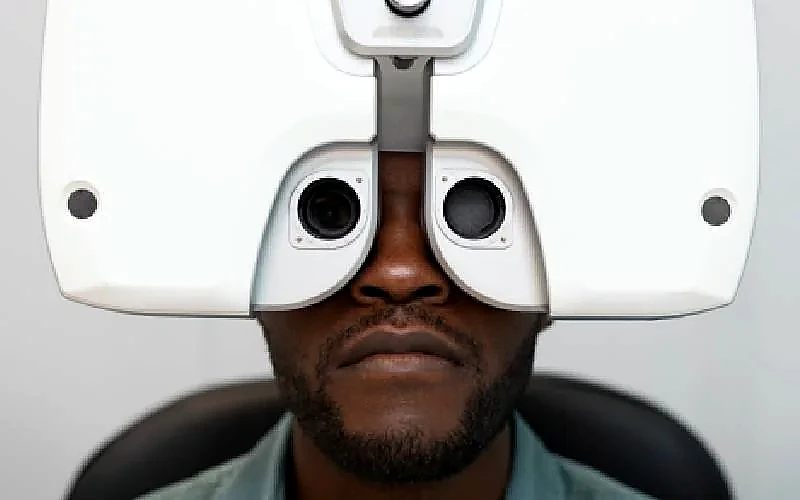
Ophthalmologists routinely screen for glaucoma using tonometry to measure eye pressure and by examining the optic nerve head for signs of damage. For men with ED diagnoses, these screening measures might warrant more frequent repetition or closer monitoring than standard guidelines recommend.
Important Limitations and Next Steps
The researchers were careful to acknowledge several important limitations in their analysis. Electronic health records often miss cases of undiagnosed erectile dysfunction and glaucoma that never reach medical attention. The study design cannot establish which condition developed first—did ED precede glaucoma, or vice versa?—making it impossible to definitively prove causality.
Differences in how often men from different backgrounds seek medical care, along with unmeasured confounding variables, may have influenced the results. The study examined UK populations specifically, so researchers noted that validation studies in non-UK populations would strengthen confidence in these findings.
The association may reflect shared vascular mechanisms rather than ED medications directly causing glaucoma. To clarify the underlying biology, experimental studies examining how vasoactive medications affect intraocular pressure and blood flow to the optic nerve are needed.
What This Means for Vascular Health Overall
Erectile dysfunction rarely occurs in isolation. Men experiencing ED often have underlying cardiovascular or metabolic conditions affecting blood vessel function throughout their bodies. The eye, with its incredibly delicate vascular network, may be particularly sensitive to these systemic circulatory changes.
From a practical standpoint, managing the conditions that cause erectile dysfunction—controlling blood pressure, managing diabetes, reducing cardiovascular risk factors—may offer additional benefits beyond sexual function. These interventions could potentially reduce glaucoma risk by improving overall vascular health.
When to See a Doctor About These Concerns
Men experiencing erectile dysfunction should absolutely seek medical evaluation and treatment. During those conversations with their healthcare providers, it’s worth mentioning any family history of glaucoma or vision problems. Similarly, men diagnosed with glaucoma should inform their ophthalmologist if they have experienced erectile dysfunction, as this additional information contributes to a complete clinical picture.
If you notice gradual peripheral vision loss, halos around lights, or eye pain, schedule an eye appointment promptly rather than waiting for a routine checkup. Glaucoma often progresses silently without obvious symptoms until significant damage has occurred. Regular eye pressure screening becomes especially important for men with ED or other vascular risk factors.
Anyone over age 40, particularly those with hypertension, diabetes, or family history of glaucoma, should have baseline eye pressure measurements. Those identified with elevated pressures or optic nerve changes require ongoing monitoring. For men with erectile dysfunction, adding “comprehensive glaucoma screening” to the list of health maintenance priorities makes good sense given current evidence.
The Bigger Picture: Connecting Medical Dots
This research exemplifies how seemingly unrelated health conditions often share common underlying mechanisms. The vascular system doesn’t compartmentalize its dysfunction—problems in one location typically reflect broader circulatory compromise. By recognizing these connections, doctors can better identify at-risk patients and implement preventive strategies.
The study published in September 2026 represents an important step toward understanding glaucoma’s causes and identifying populations needing enhanced preventive care. As more research clarifies whether vascular interventions can reduce glaucoma risk, men with erectile dysfunction will have yet another reason to actively manage their vascular health and maintain regular eye care appointments.