Phosphodiesterase inhibitor use and glaucoma risk
Men taking tadalafil for bladder symptoms may face a modestly elevated risk of glaucoma. Learn what the research shows and what monitoring means for you.
Tadalafil glaucoma risk
What a New Study Reveals About Tadalafil and Eye Health
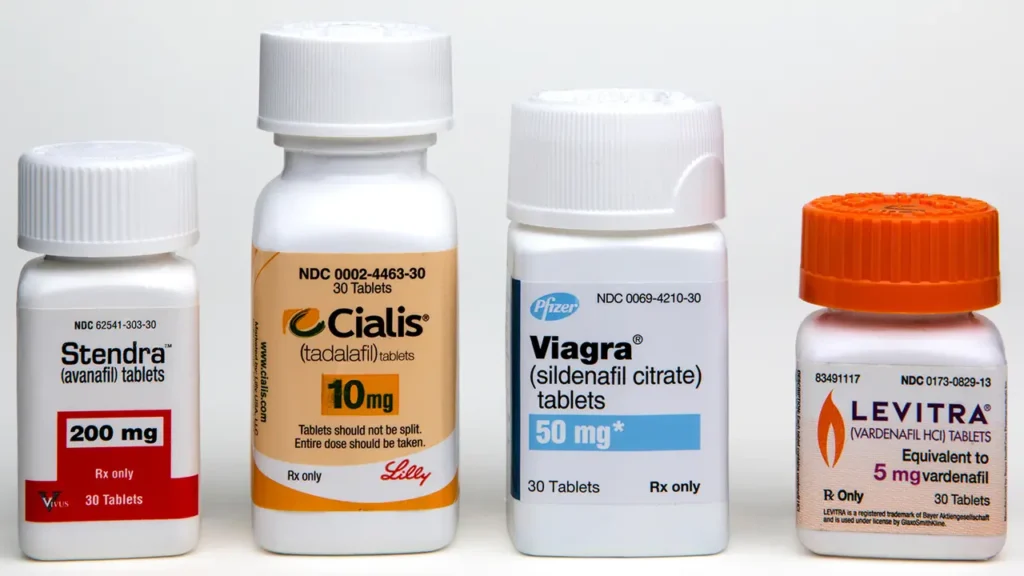
If you’re a man over 40 who takes tadalafil to manage lower urinary tract symptoms—difficulty emptying your bladder, frequent nighttime urination, or weak urine flow—you may want to pay closer attention to your eye health. A large international study published in the British Journal of Ophthalmology in August 2026 found that long-term use of this medication was associated with a measurably higher risk of developing glaucoma compared to men with similar urinary symptoms who did not use the drug.
The finding doesn’t mean you should stop taking the medication or panic about your eyesight. But it does underscore why routine eye care matters, especially if you have other risk factors for glaucoma.
The Study: Who Was Involved and What They Found
Researchers led by Yun Hsia used a large federated health research network called TriNetX to examine health records of men aged 40 and older who had been diagnosed with lower urinary tract symptoms (LUTS) between 2012 and 2022. They excluded men who already had a glaucoma diagnosis before the study period began.
The team compared 36,927 men who took tadalafil to treat their urinary symptoms against 36,927 matched men who had LUTS but did not use any phosphodiesterase type 5 inhibitor (PDE5i). Researchers balanced the two groups by age, race, kidney function, existing medical conditions, and other medications. They then followed both groups for up to five years to see who developed glaucoma.
Over the follow-up period, tadalafil users had a 22% higher risk of receiving a glaucoma diagnosis compared to non-users. Put another way, the five-year cumulative incidence was 3.93% in tadalafil users versus 3.16% in non-users. While this sounds significant as a percentage increase, the absolute difference in risk amounted to less than one percentage point over five years.
Which Type of Glaucoma Was Most Affected
Not all forms of glaucoma showed the same association with tadalafil use. When researchers looked at specific subtypes, the link appeared strongest for two conditions:
Primary open-angle glaucoma (POAG) showed a hazard ratio of 1.33, meaning tadalafil users had a 33% higher risk compared to non-users. Ocular hypertension—elevated eye pressure without confirmed optic nerve damage—showed a similar hazard ratio of 1.32. By contrast, normal-tension glaucoma and primary angle-closure glaucoma showed no significant association with tadalafil use.
Additionally, men taking tadalafil were more likely to be started on glaucoma medication during the follow-up period, with a hazard ratio of 1.33. Researchers used this marker as a proxy for clinically meaningful disease, rather than relying solely on diagnostic coding.
Why This Connection Might Exist: The Biology Behind the Finding
The finding isn’t purely epidemiological—there’s a plausible biological mechanism that might explain it. Tadalafil works by inhibiting an enzyme called phosphodiesterase type 5, which breaks down a molecule called cyclic guanosine monophosphate (cGMP). By slowing the breakdown of cGMP, the drug allows it to accumulate, relaxing smooth muscle tissue. In the bladder, this helps urine flow. But cGMP also plays a role in the eye’s fluid drainage system.
The nitric oxide–cGMP signaling pathway regulates how easily fluid drains from the eye through the trabecular meshwork and Schlemm’s canal—the eye’s natural drainage system. Nitric oxide stimulates the production of cGMP, which relaxes cells in the trabecular meshwork and opens the spaces between them, allowing aqueous humor (the fluid inside the eye) to drain more freely and keeping eye pressure low.
This is why newer glaucoma medications actually target this same pathway, aiming to boost nitric oxide or cGMP signaling to lower eye pressure. If chronic tadalafil use disrupts this delicate balance, alters blood flow to the eye, or interacts with other risk factors over time, it theoretically could raise eye pressure. However, the study did not measure eye pressure directly, so researchers cannot definitively confirm this mechanism.
Important Context: What This Modest Risk Really Means
A hazard ratio of 1.2 to 1.3 translates to a meaningful but still modest increase in individual risk. Over five years, the absolute difference is less than 1 percentage point—meaning that out of 100 men taking tadalafil, fewer than one additional person would develop glaucoma compared to 100 men not taking it. This is not a rare or common side effect, but rather a subtle shift in population-level risk.
The study’s retrospective design means that some confounding factors may not have been fully captured. Men prescribed tadalafil for urinary symptoms might differ from non-users in ways the researchers couldn’t measure—for instance, how often they see a doctor. Men who visit healthcare providers more frequently may be more likely to have incidental glaucoma findings recorded, even if the medication itself didn’t cause the disease.
The authors themselves frame their findings as supporting monitoring rather than a change in prescribing practice. For ophthalmologists reading the study, the takeaway is awareness, not alarm.
Understanding a Separate Eye Risk: NAION
It’s important to distinguish these new glaucoma findings from a different, well-established eye risk associated with PDE5 inhibitors as a class. Nonarteritic anterior ischemic optic neuropathy (NAION) is a sudden loss of vision caused by reduced blood flow to the optic nerve. Unlike glaucoma, it is unrelated to eye pressure. NAION has been linked to PDE5 inhibitor use, particularly in men taking the drugs on demand for erectile dysfunction and in those with diabetes or other vascular risk factors. Some ophthalmologists recommend stopping the medication after a first NAION event in one eye to protect vision in the other eye.
The glaucoma findings reported in this new study are mechanistically and clinically distinct from NAION but add to the broader picture of PDE5 inhibitors affecting ocular physiology in measurable ways.
What This Means for Men Taking Tadalafil for Urinary Symptoms
If you are taking tadalafil for lower urinary tract symptoms associated with benign prostatic hyperplasia (BPH), the study does not suggest you should stop the medication. Instead, it supports a practical recommendation: make sure you are keeping up with routine comprehensive eye examinations.
This is especially important if you fall into higher-risk groups for glaucoma. Risk factors include being older than 50, having a family history of glaucoma, having naturally higher baseline eye pressure, having thinner-than-average corneas, or being highly nearsighted. The American Academy of Ophthalmology already recommends comprehensive eye exams based on age and risk factors, and these findings reinforce that standard guidance.
Urologists and primary care physicians prescribing tadalafil might consider asking about your eye health history and glaucoma risk factors before starting the medication or during follow-up visits. If you do have glaucoma risk factors, letting an ophthalmologist know you are on long-term tadalafil therapy gives them context for more vigilant monitoring.
When to See an Eye Doctor
If you are currently taking tadalafil for urinary symptoms, schedule a comprehensive eye exam if you haven’t had one recently. During that visit, ask your eye doctor about your glaucoma risk and discuss whether you need more frequent follow-up testing. Early detection of glaucoma is critical because the condition often progresses without symptoms until significant vision loss has occurred.
Seek urgent eye care if you experience sudden vision changes, eye pain, blurred vision, or halos around lights, as these can indicate acute glaucoma or other serious eye problems.
Study Limitations Worth Knowing
The researchers acknowledged several limitations. The study relied on diagnostic codes and prescription records rather than direct measurements of eye pressure or imaging of the optic nerve. This means some cases of glaucoma might have been misclassified, or subtypes might not have been accurately identified. The study also lacked information on how much tadalafil patients took or how consistently they took it, and it could not account for how often tadalafil users visited healthcare providers—which might increase their chances of having glaucoma incidentally detected.
Finally, because the cohort included only men prescribed tadalafil specifically for urinary tract symptoms over a long term, these findings may not apply to men using the medication on demand for erectile dysfunction, who would have much lower cumulative exposure.
The Bottom Line
A new large study found that men taking tadalafil long-term for lower urinary tract symptoms had a 22% higher risk of glaucoma diagnosis over five years, concentrated mainly in primary open-angle glaucoma and ocular hypertension. While this represents a measurable increase, the actual absolute risk remains modest. The finding provides a reasonable prompt to ensure you are staying current with routine eye exams, particularly if you have other glaucoma risk factors. Continue your prescribed urinary symptom treatment unless your doctor advises otherwise, but use this as motivation to prioritize comprehensive eye care.